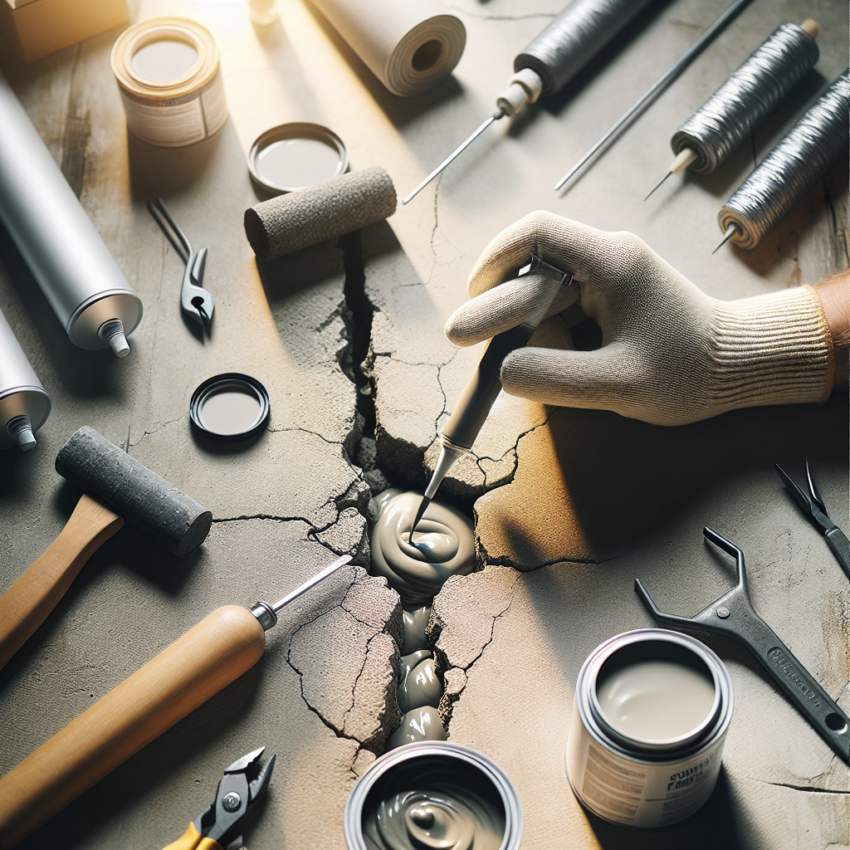
Repairing cracks in concrete is crucial for maintaining the surface’s integrity and aesthetic appeal. If you are a homeowner or a property manager, you’ve likely encountered the need for a reliable concrete crack filler at some point. Whether it’s a driveway, patio, or foundation, addressing cracks promptly can prevent further damage and costly repairs. This article will guide you through choosing the best fillers and sealers for long-lasting results.
Understanding Concrete Crack Filler
Concrete crack filler is designed to fill and seal cracks in concrete surfaces, preventing moisture and debris from entering and exacerbating the problem. There are various types of fillers available, including those that are suitable for hairline cracks, wider cracks, and those that require structural bonding.
Types of Concrete Crack Fillers
There are several types of concrete crack fillers available, each suited for different applications:
- Epoxy Fillers: Ideal for structural repair and bonding due to their strong adhesive properties.
- Polyurethane Foam: Expands to fill larger gaps and is flexible, making it suitable for areas that may move or contract.
- Cementitious Fillers: Best for aesthetic repairs where a smoother finish is desired.
Choosing the Right Concrete Crack Sealer
Sealers are used in conjunction with fillers to lock out moisture and add a protective layer. Common types include:
- Silicone: Moisture-resistant and flexible, perfect for outdoor use.
- Acrylic Sealers: Provide a clear, durable layer that enhances the appearance of the repaired area.
- Polyurethane Sealers: Known for their resistance to weathering and abrasions.
When selecting a sealer, consider the environmental conditions, size of the crack, and the desired look of the finished repair. For further insight on cost-related concerns when working with concrete, visit our guide on concrete resurfacing costs.
Steps to Repairing Concrete Cracks
Follow these steps for effective crack repair:
- Clean the crack thoroughly to remove any loose debris and dirt.
- Determine the appropriate filler and apply it according to the manufacturer’s instructions.
- Allow the filler to set or cure as recommended.
- Apply a suitable sealer over the filled crack to ensure a long-lasting repair.
Applying a sealer is critical, as it protects the repaired surface from water ingress and freeze-thaw cycles that could cause further damage.
Maintaining Repaired Concrete Surfaces
Once you have filled and sealed the cracks, regular maintenance will help preserve the condition of your concrete surfaces. Clean them regularly to prevent the buildup of dirt and stains. Sealers may need reapplication every few years, depending on the traffic and environmental exposure. Keep an eye out for any new cracks, and address them promptly.
For more extensive repairs or resealing projects, professional advice might be beneficial. Concrete experts can provide guidance tailored to your specific situation, ensuring that you achieve the best possible results.
For more information on the properties and applications of different sealers, check out accredited resources available online.
In conclusion, choosing the right concrete crack filler and sealer involves understanding the types of products available and their applications. Careful preparation and maintenance can lead to durable, aesthetically pleasing surfaces. Regularly evaluating the condition of concrete areas and addressing issues early on can extend the life of your concrete significantly.
- The right concrete crack filler can prevent costly repairs by sealing out moisture and debris.
- Understand the types of fillers and sealers to choose the best option for your needs.
- Proper application and maintenance are key to long-lasting repairs.
- Sealers offer a protective layer, enhancing appearance and durability.
- Regular checks and timely repairs prolong the lifespan of concrete surfaces.
What is the best concrete crack filler for hairline cracks?
For hairline cracks, a liquid epoxy or specialized concrete caulk is often best, as they penetrate small spaces effectively while providing a strong bond.
Can epoxy fillers be used outdoors?
Yes, epoxy fillers are suitable for outdoor use, but ensure they are UV-stable to prevent yellowing from sun exposure.
How often should I reseal my concrete surfaces?
Sealing should generally be done every 1-3 years, depending on the type of sealer used and the environmental conditions.
Is polyurethane foam filler waterproof?
Yes, polyurethane foam expands and provides a waterproof seal, making it excellent for exterior repair work.
Should I hire a professional for crack repairs?
For large or structurally significant cracks, professional guidance can ensure the correct techniques are used, providing a safer and more durable repair.