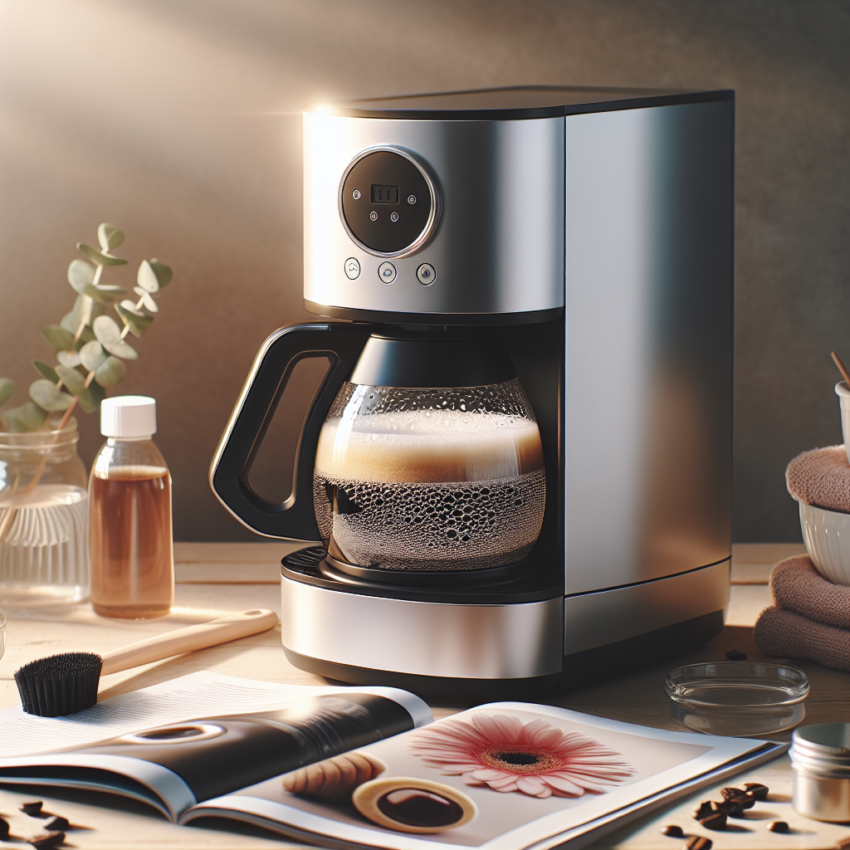
For many, brewing a fresh pot of coffee is a sacred morning ritual. But over time, coffee makers can accumulate residue and build-up, affecting both the flavor of your brew and the performance of the machine. Learning how to clean a coffee maker is essential for any coffee enthusiast who wants to maintain the rich taste of their favorite beverage and prolong the lifespan of their appliance.
How to Clean Coffee Maker: A Step-by-Step Guide
Understanding the importance of regular maintenance is the first step in cleaning a coffee maker. Let’s dive into a detailed, easy-to-follow guide.
1. Gather Your Materials
Before you start, gather the necessary materials. You will need white vinegar, water, a clean cloth, and possibly some baking soda if your machine is particularly stubborn with stains. Most of these items are household staples and can effectively sanitize and descale your coffee maker naturally.
2. Prepare the Vinegar Solution
Mix equal parts water and white vinegar to create your cleaning solution. This mixture is excellent for removing mineral deposits and the oily residue left from coffee grounds, which can negatively impact the taste of your coffee.
3. Start the Cleaning Cycle
Pour the vinegar solution into the coffee maker’s water reservoir. Begin a brew cycle, but only allow half of the solution to run through. This process will help to clean the machine thoroughly, breaking down any accumulated deposits.
4. Pause and Let Soak
After half the solution has cycled through, pause the machine and let it sit for about 30 minutes. This step is crucial for loosening any stubborn build-up inside the coffee maker, allowing the vinegar solution to work its magic.
5. Complete the Cycle
After soaking, resume the brew cycle, allowing the remaining solution to pass through the machine. This step ensures the interior is thoroughly cleaned.
6. Rinse with Fresh Water
Once the vinegar cycle has completed, it’s essential to rinse the machine to eliminate any vinegar taste. Run at least two cycles of fresh water through the coffee maker. This process will wash away any lingering vinegar and ensure your coffee isn’t tainted with its sharp flavor.
7. Clean the Exterior
With the interior clean, don’t forget the outside of the machine. Use a damp cloth to wipe down the exterior of the coffee maker. This step adds a finishing touch, leaving your coffee maker shiny and clean.
Maintaining Your Coffee Maker
Regular cleaning is critical to maintaining a clean coffee maker. Aim to deep clean once a month, depending on how frequently you use it. For daily maintenance, simply rinse components like the carafe and filter basket with warm soap and water.
For more tips on maintaining a healthy home, check out our insightful articles on PRBlogs Health.
Regular cleaning not only keeps your coffee tasting its best but also helps extend the life of your machine, saving you from unnecessary costs in the long run.
Why Regular Cleaning Matters
Coffee makers that aren’t regularly maintained can harbor bacteria and mold, potentially affecting the taste of your coffee and possibly your health. According to NSF International, neglecting to clean your coffee maker properly can result in a build-up of these unwelcome components.
Keeping your coffee maker clean ensures each cup of coffee is both delicious and safe to drink. However, if you’re concerned about possible mold or bacteria, or need personalized advice, it is best to consult with a professional.
Conclusion
Whether your coffee maker is a high-tech model or a simple drip machine, knowing how to clean a coffee maker is essential. This attention to maintenance will keep your coffee tasting great while preventing any unwanted health risks. Remember, a clean machine is not only part of enjoying a fresh brew but is also a crucial step in enhancing the longevity of your appliance.
- Use a vinegar solution to descale your coffee maker monthly.
- Rinse with fresh water thoroughly to avoid vinegar residue.
- Regular cleaning extends the life of your coffee maker.
- Wiping the exterior adds to overall freshness.
- Deep cleaning prevents bacteria and mold build-up.
FAQs
How often should I clean my coffee maker?
It’s recommended to thoroughly clean your coffee maker at least once a month, though more frequent cleanings can help maintain its performance if you use it daily.
Can I use baking soda to clean my coffee maker?
Yes, baking soda can be used for stain removal in your coffee maker but should be used with caution as it needs to be rinsed out thoroughly to avoid affecting the taste of your coffee.
Is it okay to use dish soap inside my coffee maker?
Dish soap can be used for external parts like the carafe and filter basket, but avoid using it inside the water reservoir. Vinegar is a better option for cleaning the internal components.
What happens if I don’t clean my coffee maker?
Failing to clean your coffee maker can lead to a build-up of minerals, mold, and bacteria, which may affect the taste of your coffee and pose potential health risks.
Does a dirty coffee maker make coffee taste bitter?
Yes, a dirty coffee maker can cause your coffee to taste bitter due to the residue and mineral deposits affecting the brewing process.