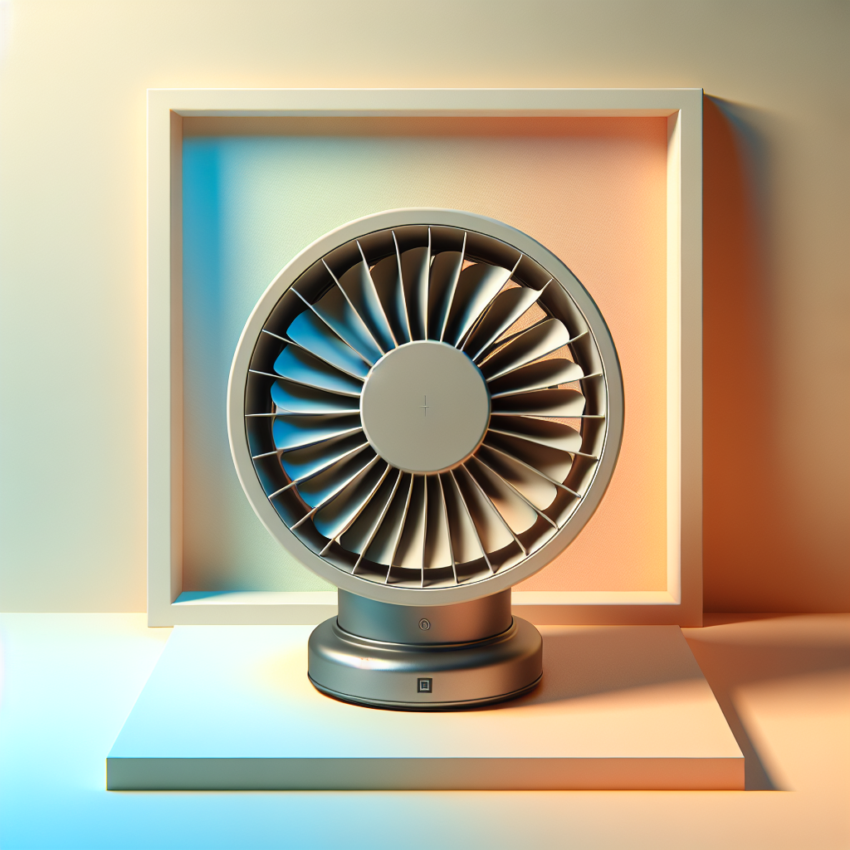
When it comes to enhancing your home’s air quality, the exhaust fan plays a pivotal role. Air circulation is vital for maintaining a healthy living environment, and an efficient exhaust fan can significantly improve the air quality by removing allergens, moisture, and unpleasant odors. Whether in the kitchen, bathroom, or attic, selecting the right exhaust fan for each space will help you maintain a fresh and comfortable home.
Choosing the Right Exhaust Fan for Your Home
There are several types of exhaust fans available, each designed for various spaces and needs. The primary function of an exhaust fan is to expel stagnant air and introduce fresh air, ensuring excellent ventilation and air quality.
Bathroom Exhaust Fans
Bathrooms are prone to moisture, making them a breeding ground for mold and mildew if not properly ventilated. A good bathroom exhaust fan helps remove steam and moisture, preventing damage to walls and ceilings. When selecting a fan, consider the fan’s capacity, noise level, and additional features like humidity sensors for optimal performance.
Kitchen Exhaust Fans
Kitchen exhaust fans, also known as range hoods or extractor fans, play a crucial role in removing cooking odors, smoke, and grease particles. They come in various styles, including wall-mounted, island, and under-cabinet models. Choose a fan that fits your kitchen’s layout and has adequate power to handle your cooking habits.
Attic Exhaust Fans
Attic fans help regulate home temperature by expelling hot air and circulating fresh air during warmer months. This not only improves indoor comfort but can also lower energy costs by reducing the strain on HVAC systems. Ensure your attic fan is compatible with your home’s structure and adequately rated for your attic’s size.
Factors to Consider When Selecting an Exhaust Fan
Choosing an exhaust fan involves more than just considering the type of fan. Here are some key factors to keep in mind:
- Capacity: Measured in cubic feet per minute (CFM), it is crucial to select a fan with the right capacity for the space it needs to ventilate. Larger rooms will require fans with higher CFMs.
- Noise Level: Fans with lower sones are quieter and more comfortable to live with, especially in residential settings.
- Energy Efficiency: Look for fans with an Energy Star rating to reduce energy consumption and save on utility bills.
- Installation and Maintenance: Consider ease of installation and whether you can perform regular maintenance, such as cleaning or replacing filters.
Additional Considerations for Effective Use
To maximize the benefits of your exhaust fan, ensure that it is properly sized and installed according to the manufacturer’s instructions. Regular maintenance, such as cleaning vents and replacing filters, will ensure optimal performance and longevity. Additionally, using your exhaust fan consistently during and after activities like cooking or showering can help keep air quality high and prevent moisture buildup.
For more insights on maintaining a fresh and comfortable home environment, check out our article on choosing the right pet care methods.
For detailed guidelines on air quality and ventilation, you may visit this comprehensive guide on health.
Conclusion
Incorporating a high-quality exhaust fan into your home is essential in creating a healthier and more comfortable living space. By understanding the different types of exhaust fans available and considering important factors like capacity, noise level, and energy efficiency, you can select the best option for your needs. With regular maintenance and proper use, exhaust fans can significantly boost your home’s air quality and help you maintain a fresh, clean environment.
- Exhaust fans help maintain superior air quality by enhancing ventilation.
- Select the right type of fan for each area of your home for optimal performance.
- Consider issues like noise level and energy efficiency when choosing an exhaust fan.
- Regular maintenance maximizes the longevity and efficiency of your exhaust fan.
- Visit credible resources to learn more about maintaining your home’s air quality.
What is the primary function of an exhaust fan?
The primary function of an exhaust fan is to remove stale air from a particular area, improve air circulation, and introduce fresh air, thereby enhancing overall air quality.
How do I know what size exhaust fan to buy?
When selecting an exhaust fan, consider the room’s size and use the cubic feet per minute (CFM) measurement provided by manufacturers to choose an appropriately sized fan for efficiency.
How often should exhaust fans be cleaned or maintained?
Regular maintenance is vital to ensure the efficient operation of your exhaust fans. Cleaning the vents and filters every few months is recommended to maintain optimal airflow and performance.
Can an exhaust fan help reduce energy costs?
Yes, exhaust fans can help lower energy costs by reducing the load on heating and cooling systems, especially in attics where temperature regulation is crucial.
Are exhaust fans noisy?
Noise levels vary with different exhaust fan models. Look for fans with low sone ratings for quieter operation, making them more suited for residential environments.