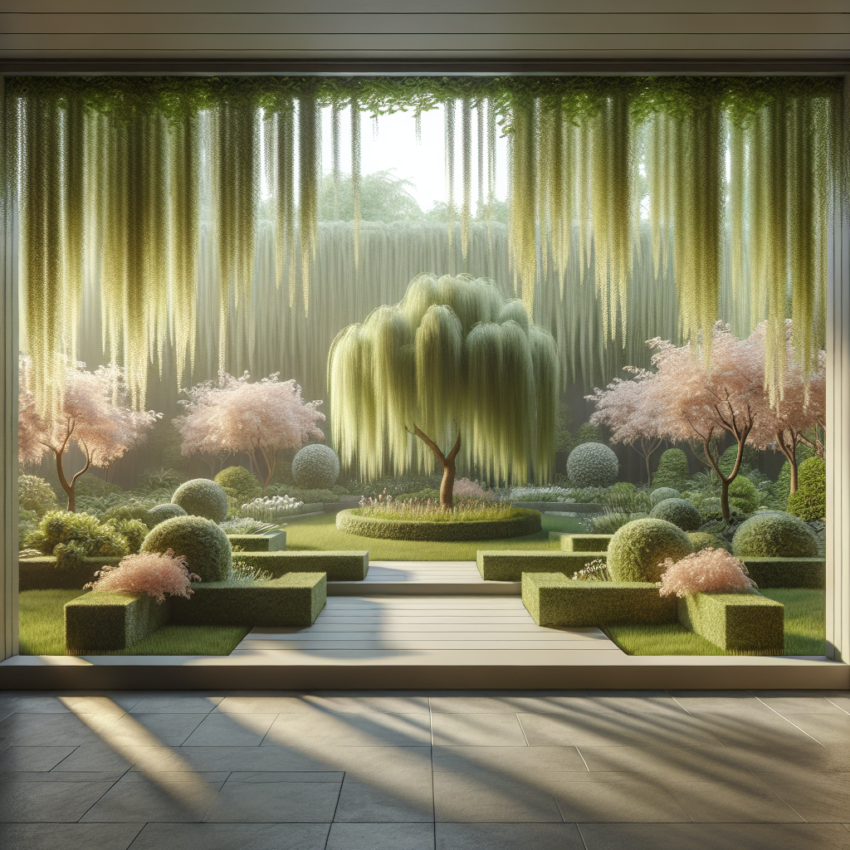
The weeping cherry tree is a beautiful addition to any garden, known for its graceful arching branches and stunning display of spring blossoms. Whether you have a large landscape or a small backyard, a weeping cherry tree provides both aesthetic beauty and a sense of serenity. As we explore the multiple benefits and characteristics of these ornamental cherry tree weeping varieties, you’ll discover why they are a cherished choice for garden enthusiasts worldwide.
The Allure of the Weeping Cherry Tree
Weeping cherry trees are admired for their unique shape and vibrant blooms. These trees, which blossom in spring, are typically covered in white or pink flowers, creating a breathtaking spectacle. The cascading branches give the tree its distinct weeping appearance, forming a natural and elegant canopy.
This ornamental cherry tree weeping variety not only enhances the visual appeal of your garden but invites local wildlife such as birds and butterflies, adding to the ecological diversity. Apart from their blossoms, weeping cherry trees also offer stunning foliage color changes in the fall, providing year-round interest.
Caring for Your Weeping Cherry Tree
Proper care is essential for your weeping cherry tree to thrive. These trees prefer well-drained soil and full sun exposure. Regular watering, especially during dry spells, ensures healthy growth. It’s important to prune your tree after blooming to maintain its shape and remove any dead or diseased wood.
Fertilization should be done in the early spring before the growing season begins. A balanced fertilizer will support robust growth and vibrant blooms. As a precaution, monitor for pests or diseases, which can be managed with appropriate treatments if detected early.
Landscaping with Weeping Cherry Trees
Weeping cherry trees make a striking statement when used as focal points within a landscape design. Their dramatic presence can be complemented with underplanting of groundcover or seasonal flowers for an added splash of color and texture.
Consider the tree’s mature size when planting, as certain varieties can grow quite large. They work well alongside other garden elements such as pathways, water features, or outdoor seating areas, creating a peaceful and inviting outdoor space.
Choosing the Right Variety
When choosing a weeping cherry tree, consider both the size of your space and the specific characteristics of each variety. Popular choices include the ‘Snow Fountain’ and ‘Pink Snow Showers,’ each offering unique bloom colors and growth habits.
Visit your local nursery to see what varieties thrive best in your climate. Their staff can also provide advice on the care and maintenance specific to your chosen tree type. Additionally, observing established weeping cherry trees in public gardens can offer inspiration and insight into their mature form.
For additional home décor ideas that complement your outdoor garden, consider exploring decorating your home with vintage maps. Their classic appeal pairs beautifully with the timeless elegance of your garden’s cherry trees.
The Environmental Benefits
Beyond beauty, weeping cherry trees contribute to the environment. They help improve air quality by filtering pollutants and providing oxygen. Their flowers support pollinators, while the tree itself offers shelter for various wildlife species.
Incorporating a weeping cherry tree into your garden design is not only a commitment to aesthetics but an investment in sustainability. By selecting native varieties where possible, you help ensure that your tree has a long, healthy life and a minimal impact on the surrounding ecosystem.
To learn more about the environmental impact of gardening choices, the impact of green spaces on health offers fascinating insights.
With its undeniable charm and numerous benefits, the weeping cherry tree deserves a place in your landscape. Whether as a single dramatic specimen or part of a thoughtfully designed yard, this ornamental tree provides elegance and ecological value year-round.
- The weeping cherry tree enhances the beauty of gardens with its cascading branches and colorful blooms.
- Caring for these trees involves ensuring proper sunlight, watering, and pruning.
- They can serve as focal points or complement other garden features.
- Choosing the right variety ensures that it fits well within your landscape.
- Weeping cherry trees contribute positively to the environment and local wildlife.
Frequently Asked Questions
What is the best time to plant a weeping cherry tree?
The ideal time to plant a weeping cherry tree is in the early spring or early fall. This timing allows the tree to establish roots before the stress of summer heat or winter cold.
How tall does a weeping cherry tree grow?
Depending on the variety, a weeping cherry tree can grow to be between 20 to 30 feet tall. Dwarf varieties are available for smaller spaces, typically reaching about 8 to 12 feet.
Can I grow a weeping cherry tree in a pot?
Yes, smaller or dwarf varieties of weeping cherry trees can be grown in a pot. Ensure the pot is large enough to accommodate growth and that it has adequate drainage.
What common pests affect weeping cherry trees?
Common pests include aphids, caterpillars, and borers. Regular monitoring and, if necessary, organic pest controls can keep these pests at bay and protect your tree.
Are weeping cherry trees suitable for small gardens?
Yes, especially dwarf varieties of weeping cherry trees are excellent for adding beauty to small gardens. They bring the same aesthetic appeal without requiring as much space.