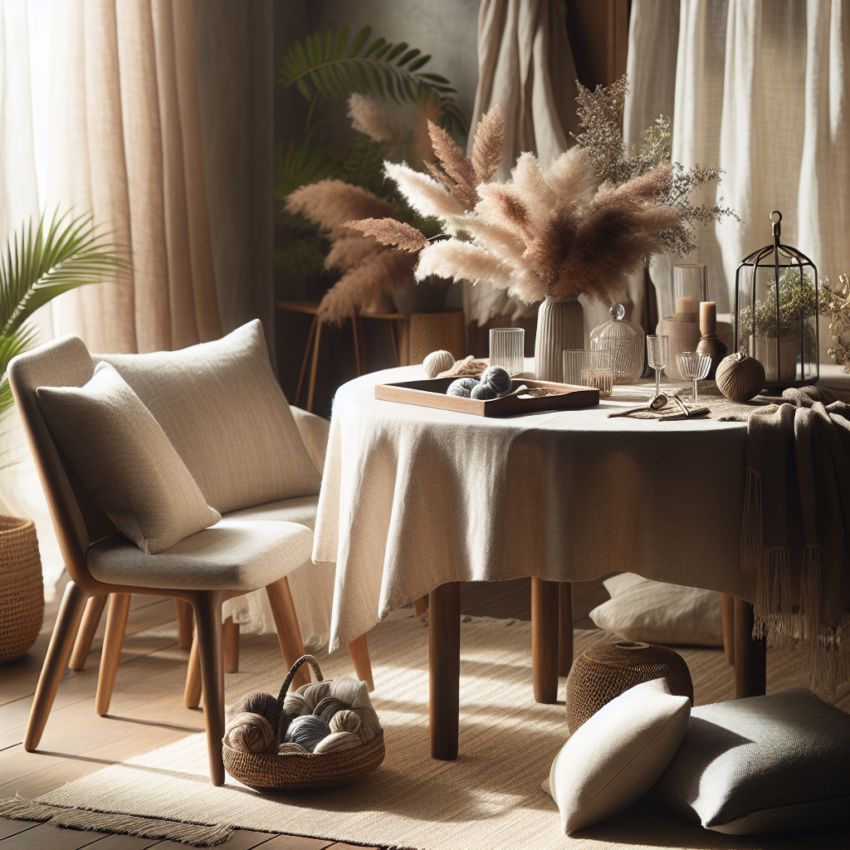
Fiber linen has become increasingly popular for its sustainable qualities and versatility in home decor. It appeals to eco-conscious consumers seeking environmentally friendly materials that also offer aesthetic appeal. Understanding the benefits of fiber linen can help you make informed decisions about incorporating this material into your living spaces.
The Advantages of Fiber Linen
One of the main benefits of fiber linen is its sustainability. Linen is derived from flax plants, which require less water and fewer pesticides compared to cotton. This makes linen a more environmentally friendly choice when it comes to textile production. Additionally, linen is biodegradable, contributing to reduced environmental impact at the end of its life cycle.
Furthermore, fiber linen is renowned for its durability. It resists wear and tear better than many other fabrics, making it a long-lasting choice for various home decor applications, from upholstery to curtains. Its durability also means that linen products can be passed down through generations, enhancing their sustainable value.
In terms of aesthetics, linen enhances any home decor with its natural texture and elegant drape. Available in various natural hues, linen offers a timeless style that blends seamlessly with different design philosophies, from modern minimalism to rustic chic.
Why Choose Fiber Linen for Home Decor?
Incorporating fiber linen into your home decor can have numerous positive effects. Not only does it offer a soft, breathable texture perfect for bedding, but it also provides a natural cooling effect, improving comfort during warmer months. Unlike synthetic fabrics, linen grows softer with each wash, enhancing its comfort over time.
Additionally, linen’s natural fibers possess hypoallergenic properties, making them ideal for individuals with sensitive skin or allergies. This aspect is particularly advantageous for bedding and pillowcases, where direct skin contact is frequent.
Linen’s versatility extends to its use in various home accessories. Whether it’s linen tablecloths, napkins, or decorative throws, the material’s elegant simplicity can elevate the look and feel of any room. Because of its resilience, linen also withstands daily use, maintaining its beauty even in high-traffic areas.
Maintaining Fiber Linen Products
While fiber linen is revered for its durability, proper maintenance ensures it retains its aesthetic and functional qualities. Regular washing is necessary to remove dust or allergens, but it is essential to follow care instructions specific to linen to prevent any shrinkage or weakening of fibers.
A gentle washing cycle with mild detergent is recommended to preserve linen’s texture and color. Air drying is preferable, as it helps maintain the fabric’s integrity and gives linen its characteristic softness. If needed, linen can be ironed at a low temperature to smooth out any wrinkles while preserving its natural look.
Fiber linen’s ability to stand the test of time with proper care further underscores its sustainable nature, making it a worthwhile investment for environmentally conscious homemakers.
Integrating Fiber Linen with Other Sustainable Practices
While integrating fiber linen into your home decor signifies a step toward sustainability, other practices can complement its benefits. By combining linen products with energy-efficient appliances, eco-friendly cleaning solutions, and upcycled furniture, you can further reduce your environmental footprint.
In addition to transforming your home’s interior design, these initiatives contribute to a holistic approach to sustainable living. To explore more ideas for enhancing your home’s sustainability and improving overall well-being, we suggest checking out these natural remedies and tips for a sustainable lifestyle.
For more information on the impact of sustainable living practices, you might find this Health Wikipedia article insightful.
Ultimately, embracing fiber linen means taking part in a movement toward creating a healthier, more sustainable environment while enjoying the unique qualities that this material brings to home decor.
- Fiber linen is sustainable and environmentally friendly.
- Durable and hypoallergenic, it’s ideal for home decor.
- Proper care enhances linen’s longevity and softness.
- Pairing linen with other sustainable practices maximizes benefits.
- Fiber linen’s aesthetic qualities add elegance to any decor style.
FAQ
What makes fiber linen a sustainable material?
Fiber linen is derived from the flax plant which requires minimal water and pesticides for growth. It is also biodegradable, reducing its environmental footprint.
How does fiber linen benefit my health?
Linen’s natural fibers are hypoallergenic, making them suitable for individuals with sensitive skin or allergies. It also offers a cooling effect, which can improve comfort, especially during warmer seasons.
Is maintaining fiber linen products difficult?
Maintenance is straightforward; it requires gentle washing with mild detergent and air drying. Proper care will extend the product’s life and preserve its unique qualities.
Can fiber linen be used in modern home decor?
Absolutely. Fiber linen offers a timeless aesthetic that can complement various home decor styles, from contemporary to rustic designs.
How can I integrate fiber linen with other sustainable practices?
Combine the use of fiber linen with energy-efficient appliances, eco-friendly products, and upcycled furniture to further reduce your environmental impact and promote a sustainable lifestyle.