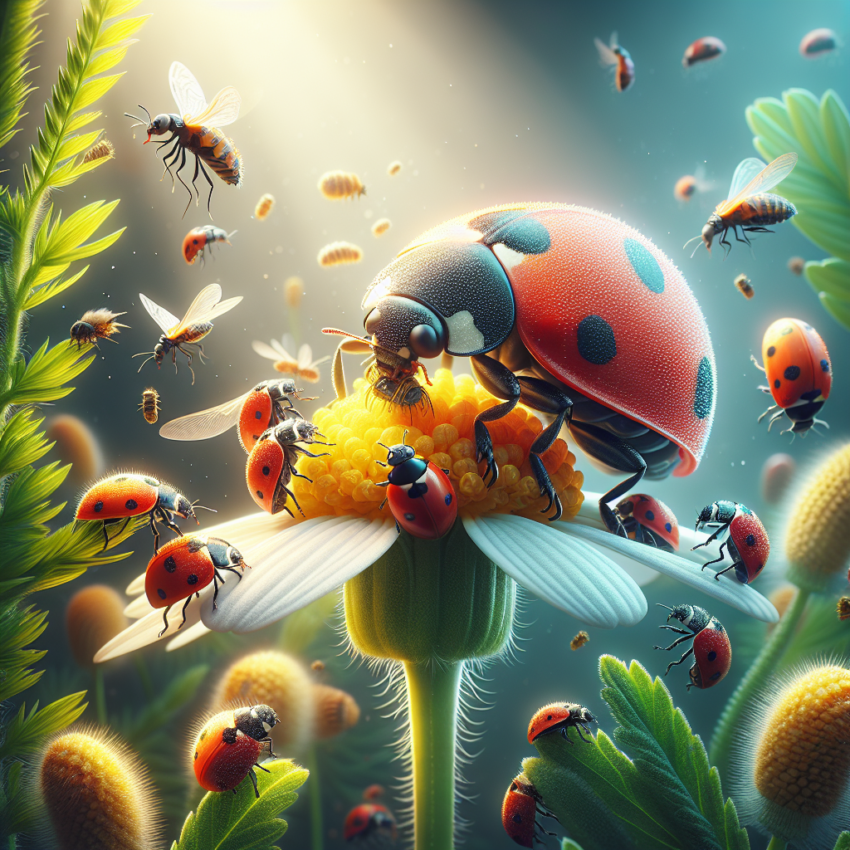
Ladybugs are not only delightful to observe but also play a crucial role in the ecosystem. If you’re curious about what do ladybugs eat, this article will take you on a fascinating journey through their dietary habits, explaining why these charming insects are more than just a pretty presence in your garden.
What Do Ladybugs Eat?
Ladybugs are predominantly known for their voracious appetite for aphids, tiny sap-sucking insects that can wreak havoc on plants. This makes ladybugs a gardener’s ally in protecting plants from pest infestations. However, their diet isn’t limited to aphids. Ladybugs can consume a variety of other soft-bodied insects and pests that threaten vegetation.
The Primary Diet: Aphids
Aphids are small insects that feed on the sap of plants, causing damage and potentially spreading plant diseases. Ladybugs, especially their larvae, are incredibly effective at controlling aphid populations. One ladybug can consume up to 50 aphids a day, making them a natural and eco-friendly pest control method.
Variety in the Diet
Alongside aphids, ladybugs will feed on other soft-bodied insects such as mites, whiteflies, and scale insects. In some cases, ladybugs also eat insect eggs and larvae, contributing further to their role in maintaining the balance of the ecosystem.
Nectar and Pollen
While ladybugs are primarily carnivorous, they occasionally supplement their diet with nectar and pollen. This is crucial in times when prey is scarce, and it provides them with the necessary energy and nutrients. Nectar and pollen consumption may also encourage ladybugs to spread pollen between plants, though this is not their primary function.
Seasonal and Life Cycle Variations
The diet of a ladybug can vary with the seasons and their life cycle stage. Adult ladybugs eat more varied diets compared to larvae, which purely focus on devouring aphids and other pests. During colder months, ladybugs may consume more plant matter if insect prey is unavailable.
As ladybugs prepare for winter, they may also eat pollen and nectar more frequently to build up energy reserves for hibernation. In their overwintering sites, they focus on conserving energy by clustering together, minimizing their food intake until spring returns.
Support the Ladybug Diet in Your Garden
If you’re aiming to encourage these beneficial insects in your garden, consider planting flowers that attract ladybugs. Flowers such as marigolds, cosmos, and daisies not only beautify your space but also offer nectar and pollen for ladybugs. Additionally, you can reduce or eliminate pesticide use, as these chemicals can harm ladybug populations.
Encouraging biodiversity by maintaining a variety of plants will naturally attract more insects, including those that ladybugs commonly prey upon. By fostering a healthy ecosystem, you support ladybugs in maintaining their diet and playing their ecological role.
For more insights into natural remedies that play a vital role in balancing ecosystems and aiding nature, you might find this resource on natural remedies and supplements informative.
Beyond their eye-catching appearance, ladybugs are vital for the ecological balance. Knowing what do ladybugs eat helps us understand their value in pest management and gardening. By learning more about their dietary habits and supporting their habitats, we can enjoy a thriving garden and contribute to environmental sustainability.
- Ladybugs primarily eat aphids, making them valuable for pest control.
- Their diet includes other soft-bodied insects and pest eggs.
- They may supplement their diet with nectar and pollen.
- Ladybug feeding habits vary with life stages and seasons.
- Creating a ladybug-friendly garden involves planting flowers and reducing pesticides.
How many aphids can a ladybug consume in a day?
A single ladybug can consume up to 50 aphids a day, significantly helping control aphid populations in gardens.
Do ladybugs eat plants?
Generally, ladybugs do not eat plants. However, they might consume nectar and pollen, which are plant-based, especially when prey is scarce.
Why do ladybugs eat other insects?
Ladybugs eat other insects because they are carnivorous predators, and feeding on pests like aphids contributes to their nutritional needs and supports ecosystem balance.
Can ladybugs survive solely on nectar and pollen?
No, ladybugs cannot survive solely on nectar and pollen. While these may supplement their diets, ladybugs thrive on a diet primarily composed of insect prey.
How can I attract ladybugs to my garden?
To attract ladybugs, plant flowers like marigold and cosmos and reduce pesticide use. This creates an inviting habitat with the resources they need to thrive.
For more detailed information about ladybugs and their ecological contributions, you can refer to this Wikipedia page on ladybugs.