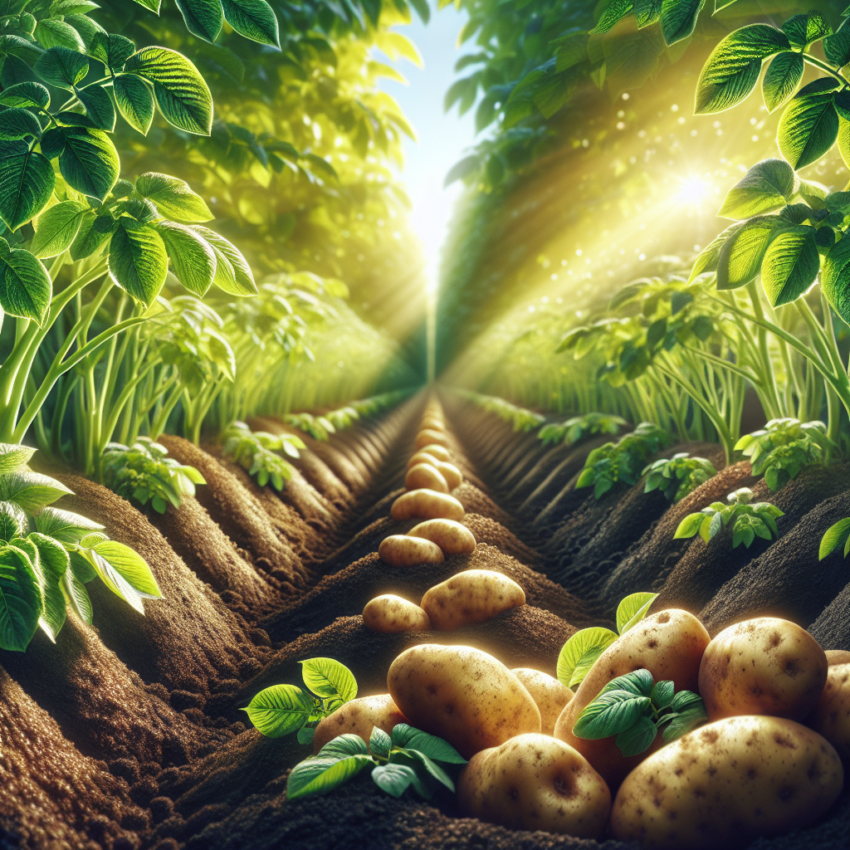
Knowing when to harvest potatoes is crucial for ensuring that you get the best yield and quality from your crop. The timing can vary depending on the type of potatoes you grow, your local climate, and the desired use for your harvest, whether for immediate consumption, storage, or next season’s seed. This guide will help you recognize the signs that your potatoes are ready to be picked and offer tips for a successful harvest. Let’s delve into the optimal time to begin this rewarding process.
When to Harvest Potatoes
Understanding when to harvest potatoes primarily depends on the type of potatoes you have planted. Potatoes are typically classified as either new potatoes or mature. New potatoes, which are small and tender, can be harvested as soon as the plant flowers. For mature potatoes, you’ll want to wait until their foliage has died back. This typically occurs two to three weeks after the plant flowers, but the exact timing can vary.
Signs That Your Potatoes Are Ready
When considering when to pick potatoes, it’s important to observe the plant’s lifecycle. Several indicators will tell you that your potatoes are ready for harvest:
- Foliage Yellowing: When the leaves begin to yellow and wither, it’s a clear sign that your potatoes are reaching maturity.
- Time After Flowering: Generally, wait two to three weeks after your potato plants have flowered to start harvesting.
- Firmness Test: Gently dig around the base of the plant and check the size and firmness of a couple of potatoes without disturbing the main crop.
Harvesting Procedures and Tips
After identifying the indicators of readiness, it’s time to know how to harvest your potatoes properly. Here are step-by-step procedures and tips:
1. Choose the Right Tools. Use a garden fork or spade to gently loosen the soil around the plants. This helps avoid damaging the potatoes.
2. Start Digging. Starting at the edge of the raised mound, slowly work your way inward and upward to the plant’s center, being cautious not to stab the potatoes.
3. Lift and Gather. Once the soil is loosened, lift the plant and gently shake off the dirt to uncover the potatoes. Gather them and set them aside in a shaded area.
4. Cure the Potatoes. Before storing, let the potatoes cure in a cool, dark, and dry place for about two weeks to toughen their skins. This step is essential for long-term storage.
Post-Harvest Care for Potatoes
Proper post-harvest care is vital to extending the shelf life of your potatoes. Here’s what to do:
- Check for Damage: Inspect potatoes for any cuts or bruises and use those first as they do not store well.
- Proper Storage: Store potatoes in a cool, dark place with good ventilation. Avoid storing them near onions as they can cause both to spoil more quickly.
- Regularly Monitor: Check stored potatoes every couple of weeks and remove any that show signs of rot.
Why Timing Matters
The timing of your potato harvest affects both the flavor and storage longevity. Early harvesting of new potatoes provides a fresh, delicate flavor, ideal for roasting or boiling. Mature potatoes harvested at the right time will have a robust flavor and firmer texture, suitable for baking or long-term storage.
Consider factors like weather conditions and soil moisture. Wet or muddy conditions can make harvesting difficult, as potatoes can become slippery, and wetness can lead to rot if they aren’t dried properly afterward. It’s also preferred to allow the soil to dry a little before harvesting.
To learn about other natural methods to improve your overall health, you might find these surprising supplements for brain injury recovery useful.
For further reading, you might consider the detailed stages of potato growth on Wikipedia’s page on health.
Conclusion
Determining when to harvest potatoes is an art and science that garden enthusiasts can master with a little attention to detail and patience. By following the cues from nature and understanding the lifecycle of your potato plants, you’ll be able to gather a bounty of flavorful and hearty potatoes.
Whether you’re growing for personal use or anticipating a surplus for storage, knowing when to harvest potatoes will ensure you get the most out of your garden. A well-timed harvest contributes not only to the immediate satisfaction of fresh produce but also to the long-term enjoyment of your efforts throughout the colder months.
- Harvesting potatoes involves checking for yellowing foliage and firmness.
- Use careful techniques to avoid damaging your potatoes.
- Post-harvest care includes curing and proper storage.
- Timing influences flavor and longevity.
- Check the external link for more detailed health-related information.
FAQ
How do I know when my potatoes are ready to harvest?
Look for signs like the yellowing of foliage, which indicates maturity, and the time past flowering. Usually, two to three weeks after flowering is a good timeframe.
What tools should I use to dig up my potatoes?
A garden fork or spade is recommended to gently loosen the soil and avoid damaging the potatoes.
How should I store my harvested potatoes?
Store your potatoes in a cool, dark, and dry place with good ventilation. Avoid damp conditions to prevent rot.
Why is curing important for potatoes?
Curing allows the potato skins to harden, which reduces the risk of spoilage and extends their shelf life.
What factors should I consider before harvesting?
Consider soil moisture, the condition of the foliage, and weather conditions to minimize rot and ensure a successful harvest.