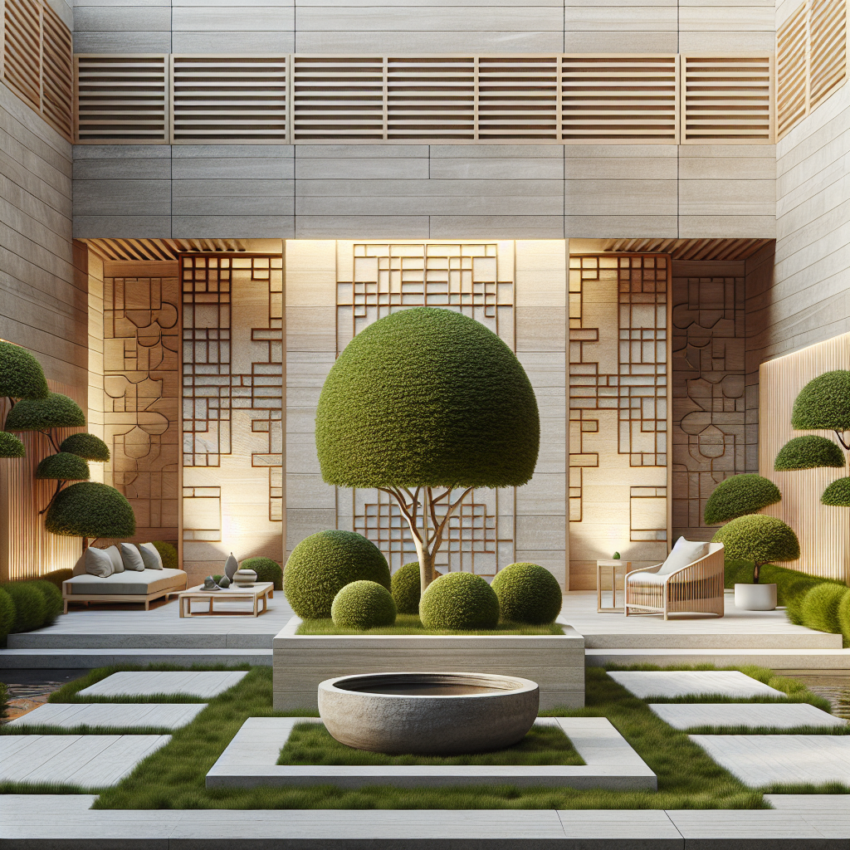
Japanese boxwood is gaining popularity in modern landscaping due to its versatility and aesthetic appeal. This evergreen shrub, with its lush foliage and compact size, is perfect for creating elegant hedges and topiaries in gardens and yards. Its ability to thrive in a variety of climates and conditions makes it a favorite among landscaping enthusiasts and professionals alike.
The Unique Charm of Japanese Boxwood
The japanese boxwood is renowned for its dense, glossy leaves that provide a year-round green hue to any landscape. Unlike other boxwoods, the Japanese variety is more tolerant of different soil types and climates, allowing it to adapt beautifully from tropical to temperate regions. This adaptability, combined with its slow growth rate, makes it an ideal choice for intricate landscape designs and intricate garden artistry.
Benefits of Using Japanese Boxwood in Landscaping
One of the main benefits of Japanese boxwood is its low maintenance requirements. These plants are generally resistant to pests and diseases, which means fewer worries about regular treatments and interventions. Moreover, their slow growth reduces the need for frequent pruning and trimming, helping you keep your garden looking neat with minimal effort.
The Japanese boxwood is also a sustainable choice for eco-friendly gardens. Its tolerance to various conditions means it requires less water and fewer fertilizers compared to more sensitive plant species. Additionally, these plants can serve as effective natural barriers, providing privacy and wind protection for your landscape.
Design Ideas with Japanese Boxwood
Integrating Japanese boxwood into your landscape design can enhance both traditional and contemporary aesthetics. For a classic look, consider creating a formal hedge or a geometric pattern using these bushes. Their consistent height and shape are perfect for lining walkways or fencing off specific areas of your garden.
For a more modern touch, use Japanese boxwood as part of a mixed-border planting. Combine them with colorful perennials and ornamental grasses to add texture and depth to your landscape. These shrubs are also popular in creating charming topiaries, allowing you to shape them into interesting forms and adding a whimsy feel to your garden.
Caring for Japanese Boxwood
Caring for Japanese boxwood is straightforward, making it accessible to both novice and experienced gardeners. They prefer partial to full sun exposure and well-drained soil. During their initial planting, regular watering is essential, but once established, they can tolerate moderate drought conditions.
Fertilizing in the spring can promote healthy growth, though it’s not strictly necessary. Compost or a balanced shrub fertilizer will suffice. Pruning should be done in late winter or early spring to maintain their shape and encourage new growth. Bear in mind that cutting back too early or late can result in bare patches or damage to the new shoots.
Potential Issues and Concerns
While generally robust, Japanese boxwood can sometimes face issues with root rot or leaf blight, especially in regions with excessive rainfall or poor drainage. Ensuring adequate soil drainage and avoiding over-watering can prevent these problems. Mulching around the base can help retain moisture and protect roots during cold snaps.
In some cases, boxwoods are susceptible to pests like the boxwood leafminer and boxwood mite. Regularly checking the plants and ensuring good air circulation can minimize these infestations. If necessary, organic pesticides or horticultural oils can be used to manage severe pest problems.
Creating Sustainable Landscapes with Japanese Boxwood
Japanese boxwood can play a crucial role in creating sustainable landscapes. Their maintenance-friendly nature, combined with minimal water and fertilizer needs, align well with environmental concerns. These shrubs offer a green solution to enhance garden aesthetics without depleting natural resources.
Additionally, Japanese boxwood can be part of larger ecosystem-friendly designs. By pairing them with native plants, you can create a balanced and self-sustaining garden that supports local wildlife and pollinators. For more in-depth insights, you can explore landscapes using similar sustainable methods at Wikipedia’s Sustainable Landscaping page.
In summary, japanese boxwood provides an elegant and versatile option for modern landscaping. Whether you aim to create formal hedges or whimsical garden features, the Japanese boxwood’s adaptability and aesthetic appeal make it a timeless choice.
- Japanese boxwood offers year-round greenery and is versatile in design.
- It is a low-maintenance option, resistant to pests and diseases.
- Suitable for formal hedges, topiaries, and mixed-border plantings.
- Requires minimal watering and fertilization, promoting sustainability.
- Pairing with native plants enhances ecological benefits.
What are the soil requirements for Japanese boxwood?
Japanese boxwood prefers well-drained soil and can adapt to various soil types, making them suitable for diverse environments.
How much sunlight does Japanese boxwood need?
These shrubs thrive best in partial to full sun, although they can tolerate some shade.
How often should Japanese boxwood be watered?
Initially, they require regular watering to establish roots. Once established, they can tolerate moderate drought and need infrequent watering.
Can Japanese boxwood be shaped into topiaries?
Yes, Japanese boxwood is ideal for topiary due to its dense foliage and ability to hold shapes well.
Do Japanese boxwood plants attract pollinators?
While they are not primarily pollinator-friendly, their flowers may attract some bees and other insects. Pairing with flowering plants can help attract more pollinators.