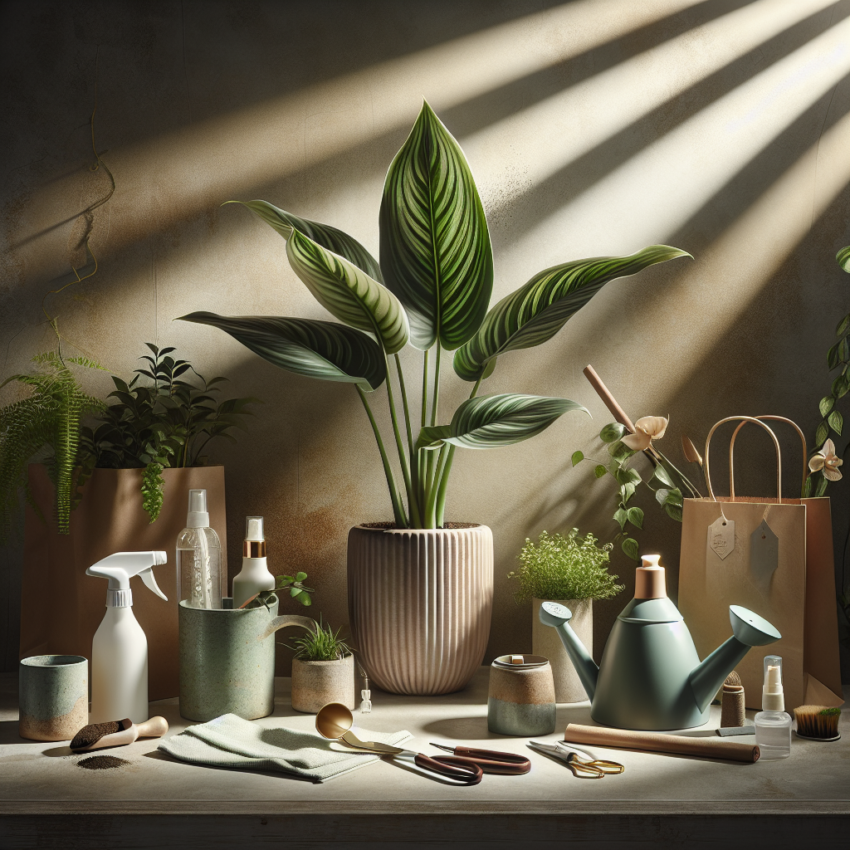
If you’re looking to add a touch of the tropics to your home, the calathea is a perfect choice. This stunning plant, known for its vibrant, patterned foliage, is a favorite among indoor gardeners. However, caring for a calathea requires specific attention to detail to ensure it thrives. In this guide, we’ll explore everything you need to know to keep your calathea happy and healthy.
Understanding the Calathea
Calathea plants, part of the Marantaceae family, originate from the tropical regions of the Americas. These plants are well-loved for their exquisite foliage, which can feature a variety of patterns including stripes, spots, and even peacock-like designs. The leaves are not just beautiful but quite dynamic, often folding up at night and opening in the morning, hence the nickname “prayer plant.”
Calatheas can often be mistaken for similar plants like the maranta or the stromanthe, but each has its unique characteristics. Understanding these distinctions will help in providing the best care for your plant.
Calathea’s Ideal Growing Conditions
Achieving the right environment is essential for a flourishing calathea plant. Here are the key factors to consider:
- Light: Calatheas thrive in bright, indirect light. Direct sunlight can scorch their leaves, causing them to lose their vibrant color. Consider placing your plant near a north or east-facing window.
- Temperature: Keep your calathea in a warm environment, ideally between 65-80°F (18-27°C). Avoid placing it near drafts or sudden temperature changes.
- Humidity: High humidity is crucial for calatheas. Consider using a humidifier or placing a tray of water with pebbles beneath the pot to increase moisture levels.
- Soil: Use a well-draining potting mix, and ensure the plant’s pot has drainage holes to prevent waterlogging.
Watering Your Calathea
Proper watering is key to maintaining the health of your calathea. It’s important to keep the soil consistently moist but not soggy. Check the top inch of soil regularly and water when it feels dry. Calatheas generally prefer lukewarm, filtered water to avoid fluoride damage.
Feeding and Fertilization
To nourish your calathea plant, a balanced, water-soluble fertilizer is recommended during the growing months, typically spring and summer. Be cautious not to over-fertilize, as this can lead to salt build-up and damage the plant.
Common Challenges and Solutions
Even the most carefully tended calathea can face challenges. Here are some common issues and how to address them:
- Leaf Browning: This can be a result of low humidity or mineral buildup. Increase humidity and consider using distilled water.
- Pest Infestations: Spider mites and aphids can occasionally affect calatheas. Regularly inspect your plant and wipe down leaves with a damp cloth. In more serious cases, consider using an insecticidal soap.
- Yellowing Leaves: Overwatering or poor drainage can cause yellow leaves. Adjust your watering routine and ensure good soil drainage.
For those interested in adding a touch of timeless elegance alongside their plant collection, explore how vintage maps can complement your decor.
Repotting Your Calathea
Repotting is generally needed every one to two years or when your calathea outgrows its current pot. Choose a container one size larger and refresh the soil to provide optimal growing conditions.
The Benefits of Keeping a Calathea
Beyond its beauty, a calathea brings several benefits to indoor environments. Plants like the calathea can improve air quality and contribute to a calming atmosphere, making them an excellent choice for home or office spaces. To learn more about the benefits of indoor plants, you can visit this detailed article.
In conclusion, a calathea can be a rewarding addition to your home with its lovely leaves and dynamic movement. With the right care, you can enjoy this captivating plant for years.
- Calatheas need bright, indirect light to thrive.
- Maintain high humidity and consistent soil moisture.
- Be mindful of common pest and care challenges.
- Regular fertilization supports healthy growth.
- Repot every one to two years for continued health.
How often should I water my calathea?
Water your calathea when the top inch of soil feels dry, generally every one to two weeks, depending on the humidity and season.
What should I do if my calathea plant’s leaves start browning?
Check the humidity level and watering schedule. Consider misting your plant or using a humidifier to increase moisture.
Can calatheas be grown outside?
Calatheas prefer indoor environments unless you live in a warm, humid climate that mirrors their natural conditions.
What type of soil is best for calatheas?
A well-draining potting mix that retains some moisture, such as a peat-based blend with perlite or sand, works best.
How do I know if my calathea needs repotting?
If the roots are growing out of the bottom of the pot or the plant appears to be struggling despite proper care, it may be time to repot.