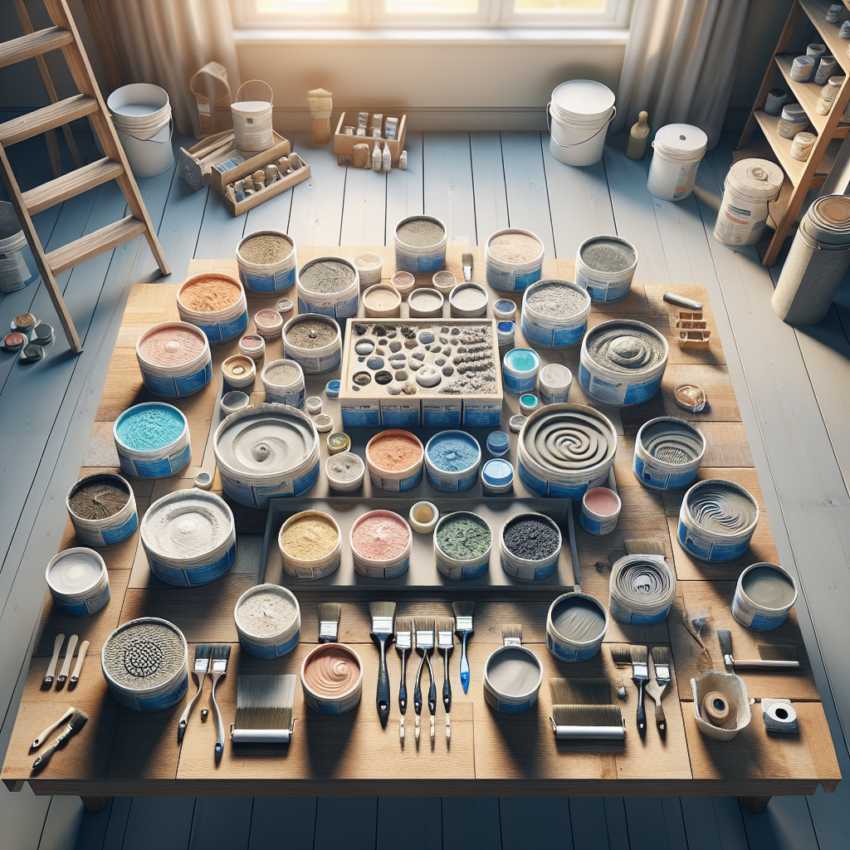
Choosing the right mortar mix for your home projects can make a significant difference in the durability and appearance of your finished work. Whether you’re planning to build a patio, walkways, or undertake repairs, understanding the various types of mortar mixes and their appropriate applications is essential. Here, we delve into what mortar mix entails and how you can make the best selection for your home improvement tasks.
Understanding Mortar Mix and Its Importance
Mortar mix is a crucial component in construction and home improvement projects. It’s a mixture of sand, cement, and water that is used to bond masonry units like bricks and stones. The blend provides structural integrity and aesthetic appeal to your projects. Choosing the right mortar mix depends on the project type, the exposure conditions, and the materials you plan to use.
Types of Mortar Mixes
There are several types of mortar mixes, each tailored for specific applications. Understanding these varieties can help you decide which is best for your needs.
- Type N Mortar Mix: Ideal for general applications above ground, such as exterior walls or chimneys. It provides good bonding strength and flexibility, which makes it suitable for use with semi-soft stone or masonry that is highly prone to expansion and contraction.
- Type S Mortar Mix: Known for its strength and ability to withstand severe weather conditions. It is often used in projects requiring high flexibility and on outdoor patios, pavements, and retaining walls.
- Type M Mortar Mix: Best for heavy loads and used in projects like foundations and concrete block walls. Type M provides the highest strength among mortar types and is often chosen for its durability against harsh conditions.
- Type O Mortar Mix: Known for its lower strength, it’s used for non-load-bearing internal walls and repair works where elasticity is important. Type O is compatible with softer materials requiring gentle support.
Choosing the Right Mortar Mix
When choosing a mortar mix, consider the specific requirements of your project. Here are some factors to guide you in selecting the right type:
- Project Type and Location: Different projects require different strengths and consistencies. For instance, a high-strength mortar like Type M is perfect for basement walls, while a more flexible Type N might be ideal for a decorative garden wall.
- Environmental Conditions: Consider the exposure to elements like moisture and temperature. Projects exposed to extreme weather conditions or requiring durability will benefit from a robust Type S mortar mix.
- Aesthetic and Structural Needs: The appearance and load-bearing requirements of your project will influence the choice of mortar. Ensure the mortar you choose complements the materials in your project for both aesthetic appeal and structural soundness.
Mixing and Applying Mortar
To achieve the best results, mix your mortar according to the manufacturer’s instructions, ensuring the correct ratio of sand, cement, and water. A properly mixed and applied mortar will adhere well and offer long-lasting support. When applying the mortar, use the right tools and technique to prevent cracks and ensure a neat finish.
If you’re contemplating other home improvement projects, you might also consider looking into the costs associated with resurfacing a concrete driveway. It’s an endeavor worth exploring alongside selecting the appropriate mortar mix.
Common Mistakes to Avoid with Mortar Mix
Even experienced DIY enthusiasts can overlook critical details when working with mortar mix.
- Inefficient Mixing: Inadequate mixing can lead to weak bonds and poor consistency. Always mix thoroughly to achieve a uniform texture.
- Incorrect Moisture Levels: Adding too much or too little water can affect the mortar’s strength and application. Follow guidelines carefully to ensure the correct moisture levels.
- Not Accounting for Environmental Factors: Weather conditions such as heat or cold can affect how mortar cures. Consider these factors to ensure that your mortar sets correctly.
Conclusion
Understanding the nuances of mortar mix is vital to executing successful home projects. By choosing the right type, mixing it correctly, and applying it with care, you can ensure that your masonry and concrete work remain durable and attractive for years. For further information about masonry compounds, consider exploring resources such as Wikipedia’s masonry article for broader context about construction materials.
Takeaways
- Mortar mix selection is crucial for project success and longevity.
- Different types of mortar mixes serve different project needs.
- Correct mixing and environmental consideration are key to mortar effectiveness.
- Avoid common mistakes like incorrect mixing and moisture content.
- Consult professional resources and guides for more detailed information.
FAQs
What is the best type of mortar mix for outdoor projects?
Type S mortar mix is often recommended for outdoor projects due to its strength and ability to endure harsh weather conditions.
Can I use Type N mortar mix for a foundation?
Type N mortar mix is typically not recommended for foundation work. Instead, use Type M, which offers the highest strength for such applications.
How long does it take for mortar to cure?
Mortar generally takes 24 to 48 hours to dry and about 28 days to cure fully, depending on environmental conditions and mix type.
What can affect the durability of a mortar mix?
Improper mixing, incorrect moisture levels, and unsuitable environmental conditions can all adversely affect the durability of mortar.
Is it possible to change the color of mortar mix?
Yes, you can add colorants to mortar mix to match or enhance the aesthetic appeal of your project. It’s important to follow guidelines for correct application.