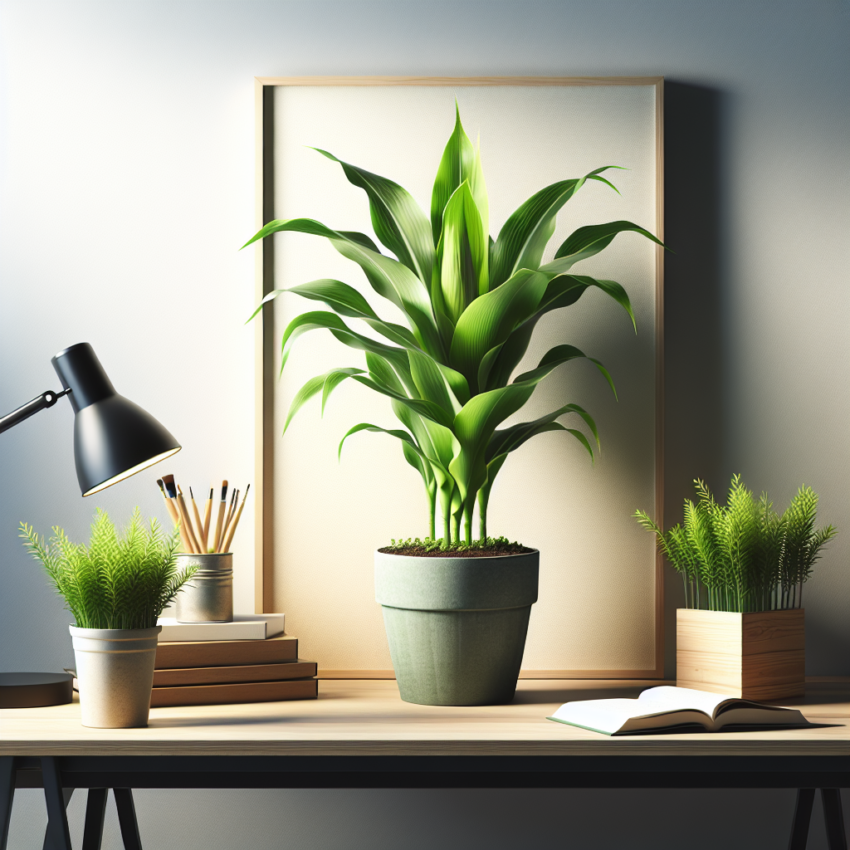
When you think about adding greenery to your home, a corn plant plant might not be the first thing that comes to mind. However, this versatile and low-maintenance plant can transform your indoor space with its lush, green foliage. The corn plant, also known as Dracaena fragrans, is popular for its easy care and ability to adapt to various lighting conditions. Whether you’re a seasoned gardener or a beginner, following some simple guidelines can help you cultivate thriving corn plants.
Growing and Caring for Your Corn Plant Plant
Corn plants are an excellent choice for both homes and offices due to their resilience and attractiveness. To successfully grow and care for your corn plant plant, consider the following factors:
Light and Placement
Corn plants thrive in medium to bright indirect sunlight. While they can tolerate low light conditions, optimal growth occurs with filtered sunlight. Placing your corn plant near a window with sheer curtains is ideal to prevent direct sunlight, which can scorch the leaves.
Watering Needs
These plants prefer slightly dry soil, so it’s essential not to overwater them. Allow the top inch of soil to dry out between waterings. During colder months, you may need to reduce watering frequency as the plant’s growth naturally slows. Consistent drainage is crucial to prevent root rot and ensure healthy growth. For more comprehensive watering tips, explore our guide to irrigation systems.
Soil and Repotting
A well-draining potting mix is vital for corn plants. A standard houseplant soil combined with perlite or sand can improve drainage. Corn plants prefer to be slightly root-bound, so they don’t require frequent repotting. Every two to three years is typically sufficient, or when you notice decreased growth or roots growing through the pot.
Temperature and Humidity
Corn plants prefer warm temperatures ranging from 60 to 75 degrees Fahrenheit. They are not frost-tolerant and should be kept away from cold drafts. To enhance humidity, especially in drier climates, consider using a humidifier or placing a tray of water near the plant.
Feeding and Fertilization
A balanced, water-soluble fertilizer can be applied every four to six weeks during the growing season (spring and summer). Avoid over-fertilizing, as this can cause leaf burn. In the fall and winter, reduce or eliminate feeding as the plant’s growth rate decreases.
Common Issues and Solutions
Yellowing Leaves
Yellow leaves can indicate several issues, such as overwatering, poor drainage, or nutrient deficiencies. Assess your watering schedule and ensure your pot has adequate drainage. Adjust fertilization if necessary.
Brown Leaf Tips
Brown tips often result from low humidity or fluoride in the water. Increase humidity levels or use distilled or rainwater for irrigation to minimize the risk of tip burn.
Pests and Diseases
Corn plants can occasionally suffer from pest infestations like spider mites or mealybugs. Regularly inspect the plant and use insecticidal soap or neem oil treatments if necessary. Maintain cleanliness to minimize disease risks.
The Benefits of Keeping Corn Plants
Corn plants not only enhance the aesthetic appeal of indoor spaces but also contribute to air purification. According to studies conducted by NASA, certain houseplants, including the corn plant, can improve indoor air quality by removing toxins such as formaldehyde and benzene. This makes them an excellent choice for creating a healthier living environment.
Additionally, these plants are believed to bring positive energy and a sense of tranquility indoors. While some see it as just a myth, others appreciate the ambiance they create. If you wish to learn more about how plants contribute to health, visit this informative page on health benefits of plants.
In conclusion, adding a corn plant plant to your indoor garden can offer both visual beauty and health benefits. With proper care, these adaptable plants will thrive, making them a fantastic addition to any home.
- Corn plants thrive in indirect sunlight and require well-draining soil.
- Allow the soil to dry between waterings to prevent root rot.
- Yellow leaves may signal overwatering or nutrient issues.
- Corn plants can improve indoor air quality.
- Regular maintenance will enhance plant health and longevity.
What is the ideal light condition for corn plants?
Corn plants grow best in bright, indirect sunlight. They can tolerate low light but may not thrive as well.
How often should I water my corn plant?
Water your corn plant when the top inch of soil becomes dry, typically every 7-10 days in warmer months, and less frequently in the winter.
Can corn plants be grown outdoors?
Corn plants are generally grown indoors but can be placed outdoors in warm climates as long as they are protected from direct sunlight and frost.
What are common pest issues with corn plants?
Corn plants can attract pests like spider mites and mealybugs. Regular inspections and treatments with neem oil can help manage these pests.
Do corn plants need fertilization?
Yes, corn plants benefit from fertilization during the growing season with a balanced, water-soluble fertilizer every four to six weeks. Reduce feeding in fall and winter.