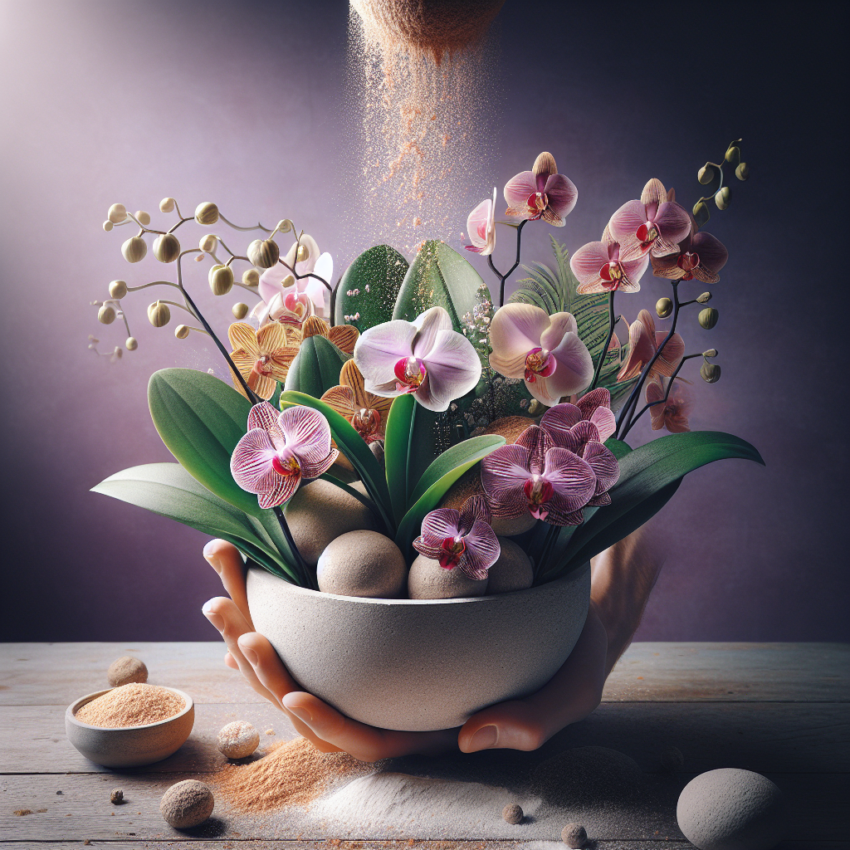
When caring for orchids, nothing is more crucial than getting the perfect orchid pot mixture. This essential aspect ensures your orchids receive the exact nutrients and support they need to thrive. Orchids, with their delicate flowers and specific care requirements, are unique plants that require a specialized growing medium rather than conventional soil. In this guide, we will explore the components of an ideal orchid pot mixture and how to create one that will keep your orchids healthy and blooming.
The Basics of Orchid Pot Mixture
Why is the right potting mixture so important for orchids? Unlike typical houseplants, orchids are largely epiphytes, meaning they grow naturally in trees. In nature, orchid roots are exposed to air and light, allowing them to absorb moisture from the environment. This characteristic significantly impacts the kind of potting mixture you’ll need, as it must mimic the orchid’s natural habitat.
Key Components of a Potting Mixture
An ideal orchid pot mixture comprises several components that provide necessary aeration, drainage, and anchorage for the plant. Here are the most common ingredients:
- Bark Chips: Often used as a primary material, bark chips provide good drainage and airflow. It’s important to select the right size, as different orchid types may require different sizes.
- Moss: Sphagnum moss retains moisture and is excellent for orchids that prefer a wetter medium. It’s often used in combination with bark chips.
- Perlite: This volcanic glass is used to enhance aeration and drainage. It’s a lightweight option that helps prevent compaction of the medium.
- Charcoal: Acting as a natural filtration system, charcoal absorbs impurities in the water, keeping the potting mixture clean.
- Coconut Coir: A sustainable alternative to peat, coconut coir retains moisture while still offering good airflow.
Choosing the Right Orchid Pot
Selecting the correct pot is as important as your medium. Pots with excellent drainage holes are ideal because they prevent water from accumulating and causing root rot. Clear plastic pots are often favored because they allow you to monitor root health and moisture levels easily.
It’s worth noting that if you’re setting up a complete orchid growing system or considering an automatic watering system, a guide to irrigation installation systems might be an invaluable resource.
Mixing Your Orchid Pot Mixture
Creating your orchid pot mixture is a straightforward process. Begin with a one-to-one ratio of bark chips to sphagnum moss. Add smaller amounts of perlite and charcoal to enhance the mixture’s properties. Adjust these components based on the specific needs of your orchid species. For instance, Phalaenopsis orchids prefer a slightly more moisture-retentive medium, while Cattleyas thrive in a more open, airy mix.
Before using the mixture, soak the bark chips and moss in water to ensure they are properly hydrated, as this prevents them from immediately drawing moisture away from the orchid roots.
Environmental Considerations
Orchid growing is not just about the potting mixture. It requires the right balance of humidity, light, and airflow. While orchids enjoy high humidity levels, they also need excellent ventilation to prevent the growth of mold and root rot. An area with bright, indirect sunlight is perfect for most orchids.
For further information on maintaining plant health, consider checking out external resources such as Wikipedia’s orchid page to deepen your understanding of their care requirements.
Caring for Your Mixture and Orchid
Maintenance is key to keeping your orchid pot mixture effective. Regularly inspect the mixture and roots for signs of deterioration or disease, such as a bad odor or mushy texture. Typically, it’s advisable to refresh your orchid mixture annually or when it’s no longer providing adequate drainage.
The perfect orchid pot mixture ensures that your orchids have the foundation they need to grow and bloom beautifully. Whether you are a novice or experienced gardener, understanding the components and requirements of your orchid’s environment will lead to a flourishing collection.
- Orchids need a special potting mixture different from typical soil.
- An ideal mixture includes bark, moss, perlite, charcoal, and coconut coir.
- The correct pot with adequate drainage is essential for orchid health.
- Adjust your potting mix based on your specific orchid species.
- Regular maintenance of your potting mixture enhances orchid vitality.
What is in an orchid pot mixture?
An orchid pot mixture typically contains bark chips, sphagnum moss, perlite, charcoal, and coconut coir. Each component serves a specific purpose, like aeration or moisture retention.
Why can’t I use regular soil for my orchids?
Regular soil compacts too much and retains too much moisture for orchids, which can lead to root rot. Orchids require a mixture that allows for good airflow and drainage.
How often should I refresh my orchid pot mixture?
It’s best to refresh the orchid pot mixture every year or when you notice it is breaking down, losing its properties, or affecting the plant’s health negatively.
Can I make my own orchid pot mixture?
Yes, you can easily make your own mixture using bark chips, moss, perlite, and other ingredients tailored to your orchid’s needs. Adjust the ratio based on whether your orchids prefer a dryer or more humid environment.
Do different orchids need different potting mixtures?
Yes, different orchid species have unique requirements. For example, Phalaenopsis prefers more moisture retention compared to Cattleyas, which need better airflow.