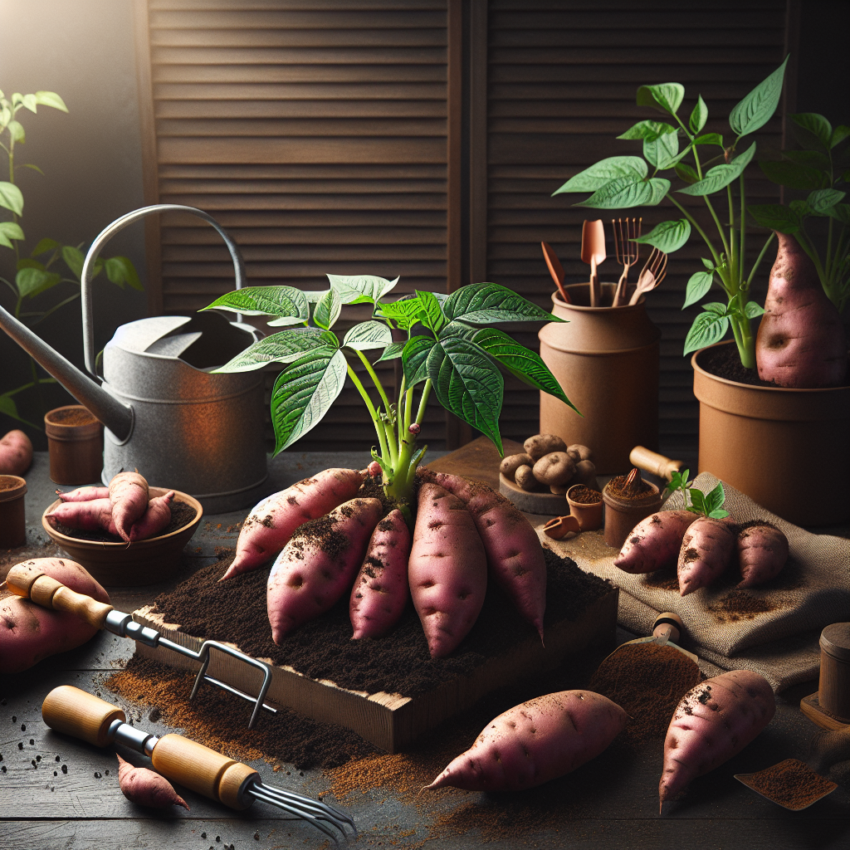
Growing sweet potatoes at home can be a rewarding and enjoyable experience, offering not only a bountiful harvest but also a touch of beauty to your garden. As a versatile crop that thrives in a range of climates, learning how to grow sweet potatoes successfully allows you to enjoy this nutritious vegetable straight from your garden. This ultimate guide will walk you through the essential steps and practices to ensure a successful harvest, from selecting the right varieties to maintaining your plants throughout the growing season.
How to Grow Sweet Potatoes: Step-by-Step Guide
Sweet potatoes are warm-season plants, making it crucial to understand how to grow sweet potatoes in your climate. Begin by selecting a sunny spot in your garden, as sweet potatoes require full sun to grow optimally. Plant your sweet potato slips—young plants grown from a mature potato—in well-drained soil two to three weeks after the last frost date in your area.
Selecting the Right Variety
When deciding on your sweet potato variety, consider factors like taste, texture, and growing conditions. Some popular varieties include Beauregard, which is known for its rapid growth and high yield, and Jewel, appreciated for its vibrant orange color and sweet flavor. Choose a variety that suits your local soil and climate conditions for the best results.
Preparing the Soil
Sweet potatoes thrive in well-drained, sandy loam soils. Begin by adding organic matter or aged compost to enrich the soil. Ensure the soil is loose and well-aerated to promote tuber development. A slightly acidic to neutral pH level between 5.5 and 6.5 is ideal for growing sweet potatoes.
Planting Sweet Potato Slips
Purchase certified disease-free slips from reputable nurseries or garden centers to avoid potential growth challenges. Plant the slips about 12 to 18 inches apart in rows that are spaced 3 to 4 feet apart. Burrow each slip into the soil up to the top leaves, ensuring they are firmly supported while providing ample space for the vines to spread.
Watering and Irrigation
Sweet potatoes require consistent watering, especially during the initial growth stages. Keep the soil moist but not waterlogged, applying about 1 inch of water per week. Consider installing an efficient watering system to maintain optimal soil moisture levels throughout the growing season. For detailed guidance on irrigation systems, you can explore this guide.
Fertilizing Your Sweet Potatoes
To support healthy growth, use a balanced fertilizer high in potassium and low in nitrogen. Too much nitrogen can lead to excessive vine growth with small tubers. Apply fertilizer at planting and then every 4 to 6 weeks during the growing season for best results.
Pest and Disease Management
Sweet potatoes are relatively resilient, but they can still fall victim to pests such as sweet potato weevils and wireworms. Regularly inspect your plants and use organic pest control methods if necessary. Ensure good air circulation around the plants to minimize the risk of fungal diseases.
Harvesting Sweet Potatoes
The time to harvest sweet potatoes generally comes 90 to 120 days after planting, depending on the variety and growing conditions. Look for signs such as yellowing leaves, which indicate that the crop is mature. Gently dig around the tubers to avoid bruising and lift them carefully from the soil.
Storing Your Harvest
After harvesting, cure the sweet potatoes in a warm, humid environment for about a week. This process helps to improve their flavor and shelf life. Store the cured sweet potatoes in a cool, dry place for long-term preservation, ensuring a plentiful supply throughout the winter.
By following these steps, from selecting the right sweet potato variety to maintaining adequate water and nutrient levels, you can enjoy a successful and rewarding experience growing sweet potatoes at home.
For more detailed information on plant cultivation and associated health benefits, explore resources such as the article on Wikipedia.
- Sweet potatoes thrive in sunny locations and well-drained soil.
- Select disease-free slips and plant after the last frost.
- Regular watering and balanced fertilizing are key.
- Harvest sweet potatoes 90 to 120 days after planting.
- Cure and store for optimal flavor and longevity.
Frequently Asked Questions
How long does it take to grow sweet potatoes?
Sweet potatoes typically take between 90 to 120 days to mature, depending on the variety and growing conditions. Harvest when the leaves start to yellow.
Can I grow sweet potatoes in containers?
Yes, you can grow sweet potatoes in containers. Choose a large pot, at least 12 inches deep, and use a well-draining potting mix. Ensure the container receives full sun.
What are common pests that affect sweet potatoes?
Sweet potato weevils, wireworms, and root-knot nematodes are common pests. Regular monitoring and organic pest control techniques can help manage these issues.
How do I know when my sweet potatoes are ready to harvest?
Sweet potatoes are ready to harvest when the leaves begin to yellow and die back. Carefully dig up the tubers to avoid damaging them.
What are some diseases that affect sweet potatoes?
Sweet potatoes can be susceptible to fungal diseases such as black rot and scurf. Ensuring good air circulation and practicing crop rotation can mitigate these risks.