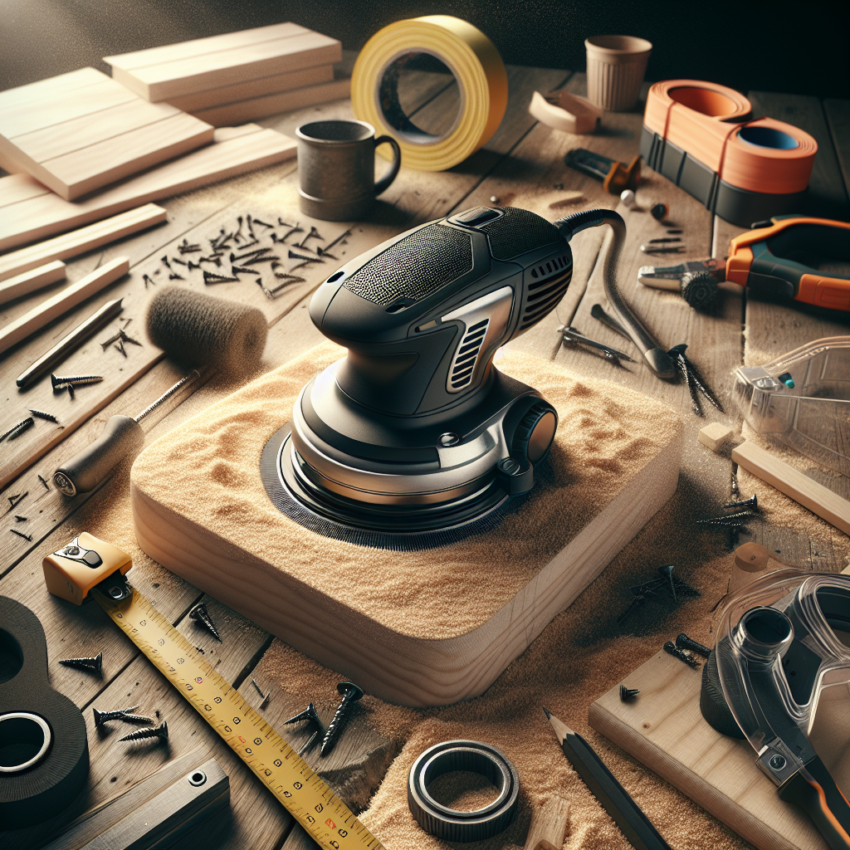
When it comes to DIY projects, having the right tools can make all the difference in achieving a professional finish. One such essential tool is the electric sander. Whether you’re refinishing furniture or getting rid of imperfections on a wooden surface, an electric sander can help you get the smooth, even results you desire. In this article, we’ll explore the benefits of using an electric sander and how it can transform your DIY projects.
Why You Need an Electric Sander
Electric sanders are powerful tools that can quickly and efficiently perform tasks that would otherwise take hours by hand. They are perfect for various applications, including smoothing wooden surfaces, removing old paint, and preparing surfaces for finishes. By using an electric sander, you can save time and effort while ensuring a more even and consistent appearance.
Types of Electric Sanders
There are several types of electric sanders available, each suited for specific tasks:
- Belt Sanders: Ideal for quick material removal and great for large, flat surfaces. They use a continuous loop of sandpaper and are perfect for heavy-duty sanding jobs.
- Orbital Sanders: These are versatile and user-friendly, making them suitable for a variety of tasks, including the final smoothing of wood surfaces.
- Random Orbital Sanders: Combining the motions of orbital and belt sanders, these tools are excellent for preventing circular patterns on your work piece.
- Detail Sanders: Designed for precision work, detail sanders are perfect for reaching tight corners and intricate surfaces.
Choosing the Right Sander for Your Project
Selecting the right electric sander depends on your specific needs and the nature of your DIY project. Consider the type of surface you are working on, the amount of material you need to remove, and the desired finish. For intricate work on delicate surfaces, a detail sander is best. If you are working on large, flat surfaces, a belt or orbital sander might be more appropriate.
Safety Tips for Using Electric Sanders
As with any power tool, safety should be a top priority when using an electric sander. Here are some tips to ensure your safety:
- Always wear safety goggles and a dust mask to protect yourself from dust and debris.
- Ensure that the sander is turned off before plugging it in or changing the sandpaper.
- Keep the sander moving over the surface to avoid gouging the material.
Additionally, make sure to follow the manufacturer’s instructions and guidelines for the best results and to prolong the life of your tool. For more information on safety and usage, you can refer to this comprehensive resource on power tools.
Maintaining Your Electric Sander
Proper maintenance is crucial for keeping your electric sander in top condition. Regularly check and replace sandpaper, and clean the tool after use to prevent dust buildup. Lubricate moving parts as necessary and store the sander in a dry place.
In case you’re interested in adding a decorative touch to your DIY projects, consider exploring how to decorate your home with vintage maps for timeless appeal.
By following these tips and selecting the right tool for your project, you can transform your DIY projects with ease and precision, thanks to the versatility and efficiency of the electric sander.
- Electric sanders save time and effort on DIY projects.
- Different sanders cater to specific types of material and finish needs.
- Always prioritize safety by using protective gear and following guidelines.
- Regular maintenance enhances the tool’s performance and longevity.
FAQs
What surfaces can I use an electric sander on?
Electric sanders can be used on various surfaces, including wood, metal, and plastic. Always ensure compatibility with the material before sanding.
How do I choose the right sandpaper for my electric sander?
The choice of sandpaper depends on the surface material and the desired finish. Coarser grits are used for removing material, while finer grits are for finishing.
Can using an electric sander damage my project?
If used improperly, electric sanders can cause damage. It’s important to select the right type of sander and sandpaper and to use the tool as instructed.
What safety gear should I wear when using an electric sander?
You should wear safety goggles, a dust mask, and hearing protection to safeguard against dust, debris, and noise.
How often should I perform maintenance on my electric sander?
Regular cleaning and checking for wear after each use is recommended. Replacing parts and lubricating as per the manufacturer’s guidelines will extend the tool’s life.