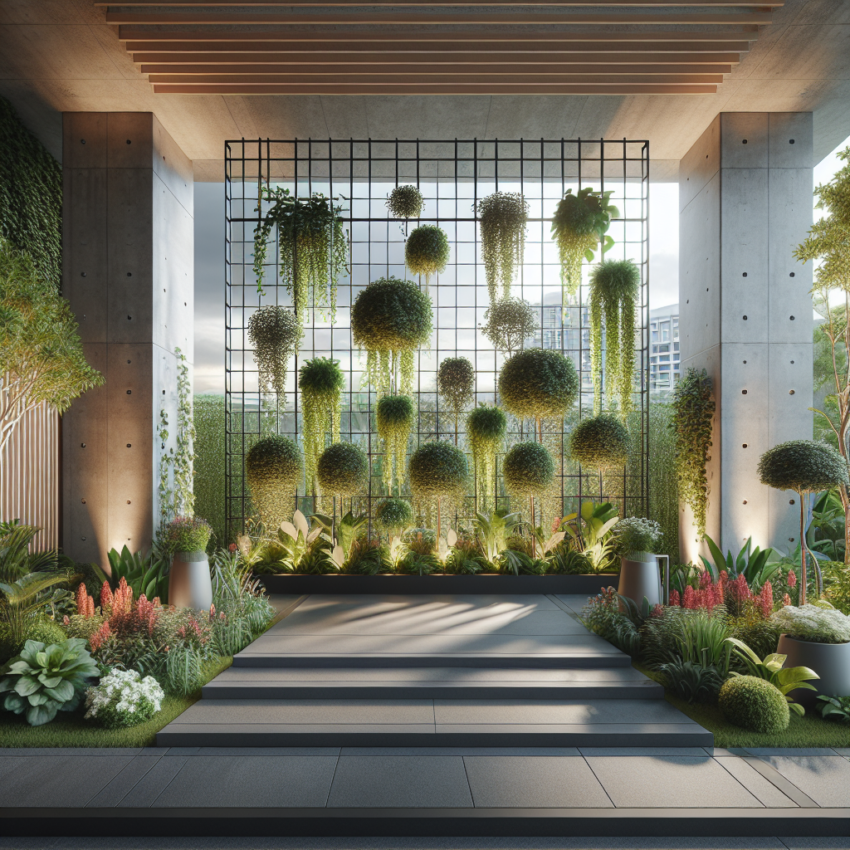
Looking to maximize your garden’s potential? A cattle panel trellis can transform your outdoor space, offering a stunning vertical growth solution for plants. Not only is it a robust structure that can support various climbing plants, but it also adds an aesthetic dimension to your garden. This article will guide you through the process of creating your very own cattle panel trellis, ensuring that your garden is both beautiful and bountiful.
Advantages of a Cattle Panel Trellis
A cattle panel trellis offers several benefits, making it a popular choice among gardeners. These trellises provide excellent support for vining plants such as beans, cucumbers, and tomatoes. The durable panels withstand weight and weather, ensuring longevity. Moreover, by utilizing vertical space, they help save ground space, allowing for more plants in a limited area. This approach is especially beneficial for urban gardens with limited space.
Choosing the Right Location
Selecting an appropriate location is crucial for the effectiveness of your cattle panel trellis. The site should receive ample sunlight and have access to water, as these are essential for healthy plant growth. Additionally, consider proximity to other plants and structures to ensure they do not overshadow or impede access to your new trellis. For more on how to effectively irrigate your garden, check out our guide to irrigation installation systems.
Materials and Tools You’ll Need
Before setting up your cattle panel trellis, gather the necessary materials and tools. Here’s a list to get you started:
- Cattle panels, typically 16 feet long and 4 to 5 feet high
- Metal T-posts or wooden stakes
- Wire cutters
- Post driver (for T-posts)
- Zip ties or heavy-duty twine
Step-by-Step Installation Guide
Step 1: Layout and Mark
Begin by laying out the panels where you intend to install them. Mark the spots where each post will be driven into the ground. Keeping a consistent spacing between posts will ensure a stable and even trellis.
Step 2: Install the Posts
Using a post driver, insert the T-posts or drive wooden stakes into the marked spots. Make sure they are secure and positioned upright. The posts should be driven deep enough to provide stability against strong winds.
Step 3: Attach the Cattle Panels
Lift the cattle panels and position them against the posts. Using zip ties or heavy-duty twine, secure the panels to the posts. Ensure that the ties are tight and evenly spaced along the height of the panel to prevent sagging.
Planting and Caring for Vining Plants
Once your trellis is up, it’s time to plant your climbing selections. Depending on the type of plant, spacing and support needs may vary. As the plants grow, gently weave them through the openings in the panels, encouraging upward growth. Ensure consistent watering, especially during dry spells. Applying mulch at the base can help retain soil moisture and suppress weeds.
Cattle Panel Trellis Maintenance
Maintaining your cattle panel trellis involves regular checks for stability and ensuring the plants are properly supported. Inspect ties to ensure they haven’t loosened and replace any that are worn. Trimming plants can help prevent overcrowding and ensure even sunlight exposure.
Environmental and Aesthetic Benefits
Aside from its practical applications, a cattle panel trellis enhances your garden’s visual appeal. The structured lines create a neat and organized appearance. Moreover, by promoting vertical plant growth, it supports better air circulation, reducing the likelihood of pests and diseases. The environmental impact is minimized as well, as cattle panels are often made from recycled materials.
Vertical gardening solutions like cattle panel trellises are increasingly popular as more individuals seek sustainable gardening methods. These structures not only offer practical support but also contribute to a green and lush living space. To further explore sustainable gardening methods, you can learn more about the benefits of vertical gardening at Wikipedia.
Conclusion
Embracing a cattle panel trellis in your garden can transform it into a visually appealing and efficient growing space. Whether you’re seeking to optimize small spaces or enhance your garden’s design, a cattle panel trellis offers a versatile solution. Enjoy the fruits & vegetables of reduced clutter and improved health of your plants with this innovative gardening technique.
- Cattle panel trellises provide sturdy support for climbing plants.
- They maximize space by supporting vertical growth.
- Easy installation with common garden tools and materials.
- They enhance the garden’s appearance and promote better plant health.
FAQ
What types of plants are best suited for a cattle panel trellis?
Vining vegetables and flowers such as beans, peas, cucumbers, and climbing roses thrive well with trellises.
How do I secure the panels to the posts?
Using zip ties or heavy-duty twine is recommended to attach panels to posts securely and ensure stability.
Can a cattle panel trellis be used indoors?
It’s possible, especially in large indoor spaces or greenhouses, but ensure adequate sunlight is available for plant growth.
What is the lifespan of a cattle panel trellis?
With proper maintenance, a cattle panel trellis can last several years, as they are designed to withstand environmental elements.
Are cattle panel trellises environmentally friendly?
Yes, they often use recycled materials and support sustainable gardening practices by optimizing space and resources.