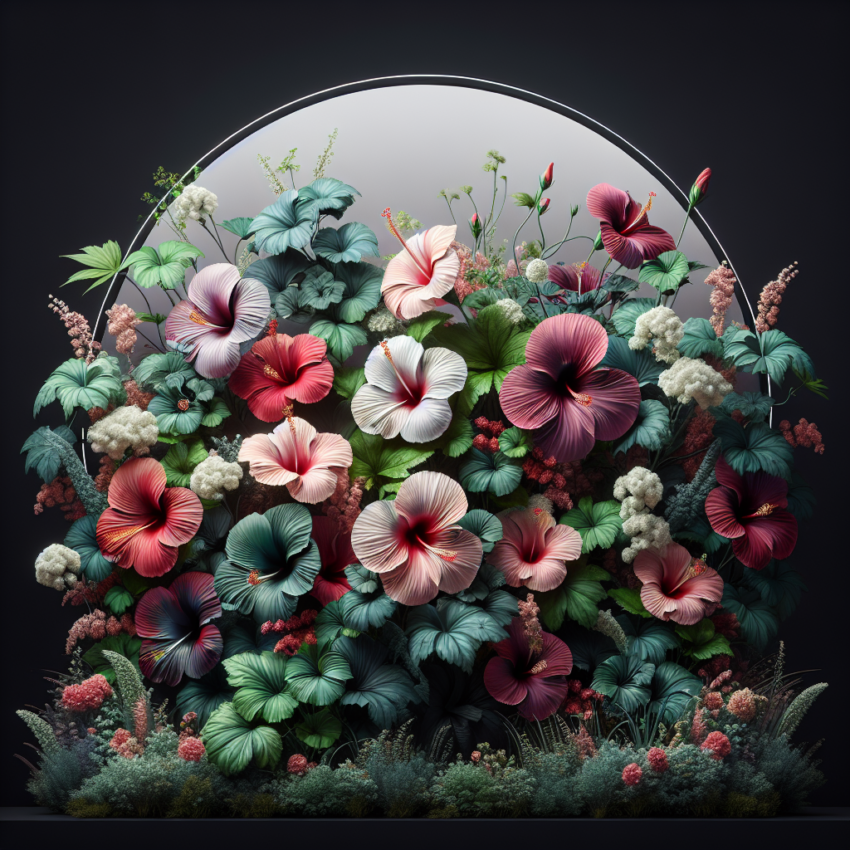
If you’re looking to add a splash of color to your garden, hardy hibiscus is a plant that offers both vibrant blooms and resilience. Known for their large, eye-catching flowers, these plants are sure to transform your garden into a tropical paradise. In this article, we’ll explore how to grow hardy hibiscus, maintain their health, and ensure stunning blooms all season long.
Understanding Hardy Hibiscus
Hardy hibiscus plants are hybrids that thrive in a variety of climates, making them an excellent choice for gardeners. These perennials can survive cold winters, as they are frost-tolerant, and burst back to life in the warmth of spring. Their flowers can grow up to 12 inches in diameter, and the plant itself can reach heights of 6 to 8 feet, depending on the variety.
Choosing the Right Location
The foundation of a thriving hardy hibiscus lies in choosing the right spot in your garden. These plants prefer sunny locations with at least six hours of direct sunlight each day, which encourages optimal blooming. Ensure that the soil is well-draining to prevent root rot, as soggy conditions can hinder their growth.
Planting Hardy Hibiscus
Begin by preparing the soil to a depth of about 18 inches, mixing in compost to enhance its fertility. Plant hardy hibiscus in spring after the last frost, spacing them about 3 feet apart to accommodate their mature size. Water the plants thoroughly after planting to settle the soil around the roots.
Care and Maintenance
Regular maintenance is key to keeping your hardy hibiscus plants healthy and vibrant. Here are some tips:
- Watering: Keep the soil consistently moist but not waterlogged. During hot, dry spells, water deeply at least once a week.
- Fertilizing: Use a balanced, slow-release fertilizer in early spring and once again in mid-summer to promote growth and flowering.
- Pruning: Trim dead branches in late winter to encourage new growth. Deadheading spent flowers can also encourage more blooms.
Pest and Disease Management
Hardy hibiscus is generally resistant to pests and diseases, but it’s still important to monitor for common issues like aphids and spider mites. Use a mild insecticidal soap to treat these, if necessary. To prevent fungal diseases, ensure proper airflow by not overcrowding the plants.
Incorporating Hardy Hibiscus into Your Landscape
The versatile nature of hardy hibiscus plants allows them to fit seamlessly into various garden styles. Whether as a standalone feature or part of a border, their bold blooms can create striking focal points. Consider pairing them with complementary perennials that thrive in similar conditions, such as coneflowers and daylilies.
If you’re interested in exploring other plant-based remedies, you might want to learn about natural remedies and supplements that may support cognitive function.
Winterizing Hardy Hibiscus
At the end of the growing season, prepare your hardy hibiscus for winter. Cut back the stems to about 6 inches above ground and cover the base with a layer of mulch to protect the roots from harsh climates. This preparation ensures your plants will reemerge vibrant and healthy in the spring.
Conclusion
Transforming your garden with hardy hibiscus is a rewarding endeavor that brings bold colors and tropical flair to your outdoor space. By understanding their needs and providing proper care, you’ll enjoy beautiful blooms year after year. For detailed information about the history and varieties of hibiscus, consider visiting this informative resource.
- Hardy hibiscus is ideal for gardens due to its vibrant blooms and frost tolerance.
- Choose a sunny location with well-draining soil to plant your hibiscus.
- Regular maintenance involves watering, fertilizing, and seasonal pruning.
- Hardy hibiscus pairs well with other sun-loving perennials for a rich landscape.
- Winter care is essential for the plant’s continued health and vigor.
What are the ideal growing conditions for hardy hibiscus?
Hardy hibiscus thrives in areas with full sun exposure and well-draining soil. Ensure that the soil is rich in organic matter for optimal growth.
How long does it take for hardy hibiscus to bloom?
Typically, hardy hibiscus will begin blooming from midsummer to early fall, depending on the planting time and environmental conditions.
Can hardy hibiscus survive frost?
Yes, hardy hibiscus is well-suited for cold climates and can survive frost, making it an excellent perennial choice for temperate regions.
Do I need to deadhead hardy hibiscus flowers?
While deadheading is not mandatory, it can encourage more blooms by redirecting the plant’s energy into producing additional flowers.
How do I protect hardy hibiscus in winter?
To protect hardy hibiscus during winter, cut back the stems and cover the plant base with mulch to insulate the roots from the cold.