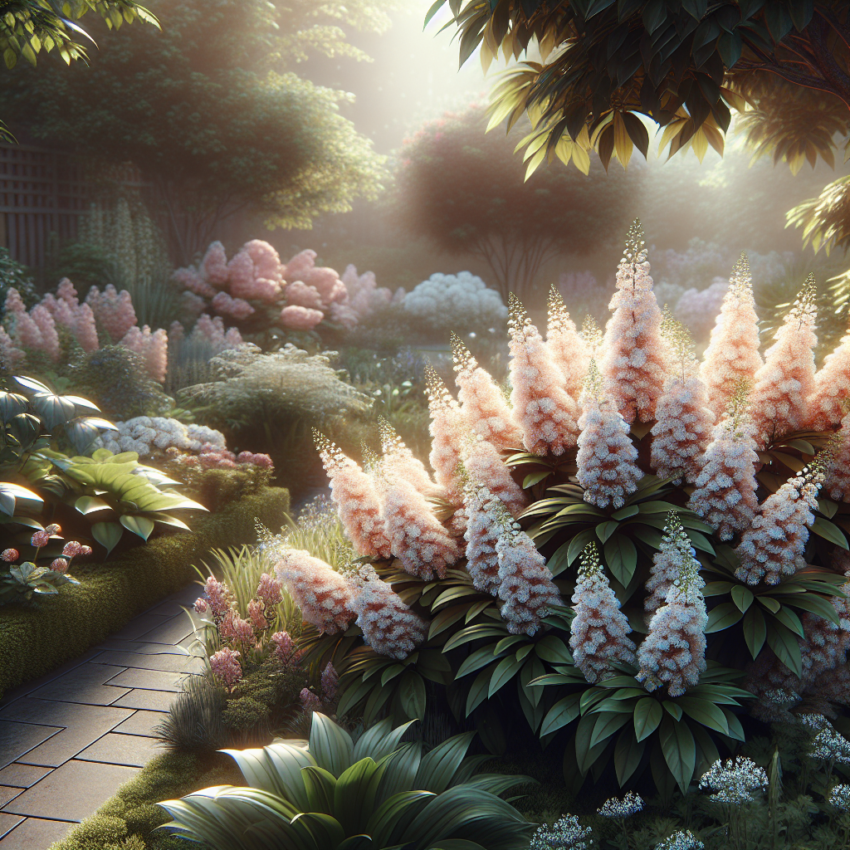
Transforming your garden into a lush, vibrant paradise is a dream for many gardening enthusiasts. Among the wide variety of plants, the Pieris rotsheide stands out with its stunning beauty and versatility. Known for its elegant flowers and striking foliage, this plant is an excellent choice for adding visual interest to any garden.
The Charm of Pieris Rotsheide
Pieris rotsheide, a member of the Ericaceae family, is beloved by gardeners for its year-round appeal. This evergreen shrub features cascading clusters of small, urn-shaped flowers that range in color from white to a rich pink, providing a delightful pop of color in the spring.
While often referred to as Japanese andromeda or lily-of-the-valley shrub, the pieris rotsheide thrives in a range of garden settings. Its lush, leathery leaves undergo seasonal color changes, offering a dynamic visual element that enhances gardens throughout the year.
Ideal Growing Conditions for Pieris Rotsheide
Commonly found in woodland environments, pieris rotsheide prefers acidic, well-drained soil rich in organic matter. It thrives best in partial to full shade, although it can tolerate morning sunlight. Ensuring the right irrigation system will help maintain the soil’s moisture balance and promote healthy growth.
Soil and Planting Tips
To cultivate a healthy pieris rotsheide, prepare the planting area with plenty of organic mulch, which will help retain moisture and provide essential nutrients. When planting, space the shrubs adequately to allow for air circulation, preventing fungal diseases.
Watering and Fertilization
Consistent moisture is key to a thriving pieris rotsheide. During dry periods, ensure the soil remains damp but not waterlogged. A balanced, slow-release fertilizer can stimulate robust growth, although excessive feeding should be avoided to prevent root burn.
Maintaining the Health of Your Pieris Rotsheide
While pieris rotsheide is relatively low-maintenance, it benefits from periodic pruning to encourage dense growth and remove any dead or diseased branches. Look out for common pests like lacebugs and apply environmentally friendly treatments as necessary to maintain plant health.
Natural Pest Control
Introduce natural predators or consider using neem oil for an eco-friendly pest solution. These methods are effective at managing pests without compromising environmental quality, helping safeguard your garden’s biodiversity.
Protecting Against Winter Damage
While hardy, pieris rotsheide may need extra protection during harsh winters. Applying a thick mulch layer at the plant’s base can insulate the roots and prevent winter damage, ensuring a spectacular spring bloom.
Design Ideas for Landscaping with Pieris Rotsheide
Pieris rotsheide’s unique aesthetic characteristics make it versatile for various landscaping purposes. Plant these shrubs along pathways, in containers, or as standalone features to create focal points of interest. Mixing pieris rotsheide with azaleas or rhododendrons can enhance texture and color in your garden.
Understanding how to integrate different plant species effectively will elevate your garden design and maximize visual appeal.
Conclusion
The pieris rotsheide is a stunning addition to any garden, offering beautiful blooms and intriguing foliage that captivates all year round. By understanding its growing conditions and maintenance needs, you can enjoy its elegance and charm for many years to come.
For additional guidance on creating the perfect environment for this remarkable shrub, you can explore resources such as this health and gardening guide.
- Pieris rotsheide adds year-round beauty with its seasonal color changes.
- Thrives in acidic, well-drained soil and partial to full shade.
- Requires consistent moisture but avoids overwatering to prevent root rot.
- Regular pruning promotes dense growth and health.
- Pairs well with other evergreen shrubs for diverse garden design.
Frequently Asked Questions
What is the best time of year to plant pieris rotsheide?
The ideal time to plant pieris rotsheide is in the spring or fall, when temperatures are milder, and the plant can establish roots before extreme weather conditions.
How tall does pieris rotsheide typically grow?
Mature pieris rotsheide shrubs can reach heights of 4 to 12 feet depending on the variety, making them suitable for different garden sizes and purposes.
Can pieris rotsheide thrive in container gardens?
Yes, pieris rotsheide can be successfully grown in containers, provided they receive adequate drainage and are watered regularly to maintain soil moisture.
Do I need to protect pieris rotsheide from pests?
While generally resistant to pests, pieris rotsheide may occasionally attract lacebugs. Regular inspection and natural pest control measures can help keep pests at bay.
Are there any companion plants that pair well with pieris rotsheide?
Companion plants such as rhododendrons, azaleas, and ferns complement pieris rotsheide by providing contrasting foliage shapes and colors, enhancing the garden’s overall aesthetic.