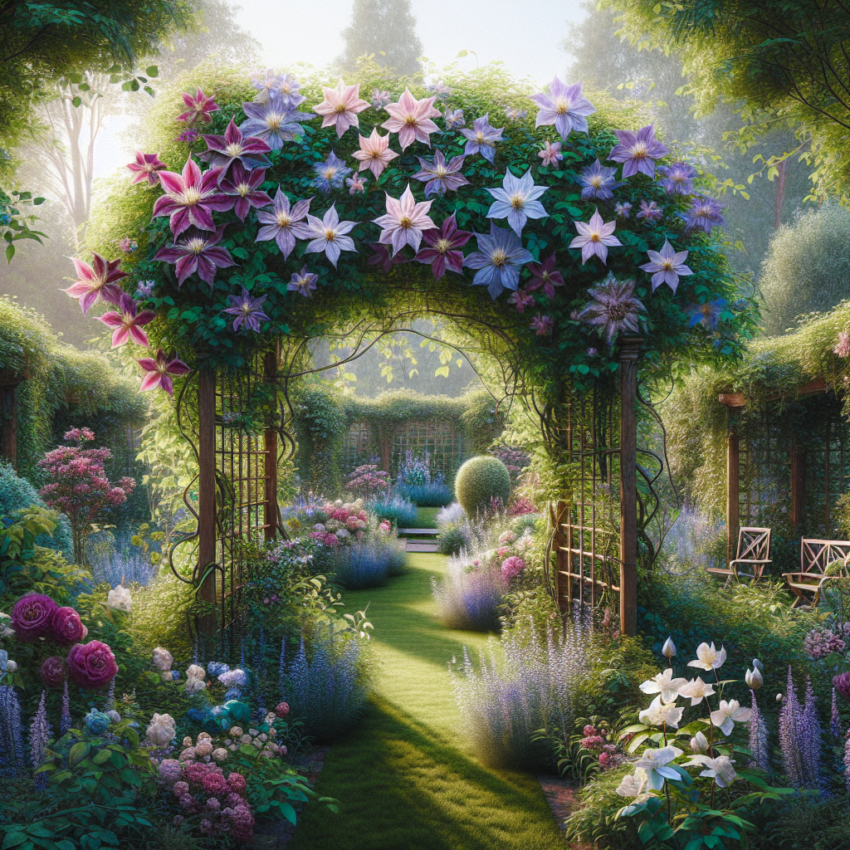
If you’re looking to add a touch of elegance and charm to your garden, consider the clematis vine. Known for their vibrant blossoms and stunning climbing abilities, clematis vines are a favorite among gardening enthusiasts. This article will explore the beauty, planting process, and maintenance tips for these captivating plants, allowing you to enhance your outdoor space with ease.
Understanding the Charm of the Clematis Vine
Clematis vines are known for their wide array of colors and shapes, making them versatile additions to any garden. With over 300 species and numerous hybrids, they can offer anything from large, showy blooms to delicate, bell-shaped flowers. Their ability to climb and cover walls or trellises provides gardeners with the opportunity to create stunning vertical displays.
Choosing the Right Clematis for Your Garden
When selecting clematis vines, consider the climate and space available in your garden. Some varieties thrive in full sun, while others prefer a bit of shade. Researching and understanding the growth habits and bloom time of each species will ensure that you select a clematis that provides beauty throughout the growing season.
Cultivars such as Clematis montana and Clematis armandii are popular choices due to their robust nature and profuse blooming. For a continuous display, consider planting a mix of early and late bloomers.
Planting and Caring for Clematis Vines
Planting clematis vines requires some preparation. Choosing the right site is crucial; they prefer well-drained soil and a location where their roots stay cool, while the top part enjoys sunlight. Providing support such as a trellis or fence is essential for these climbers.
When planting, dig a hole that’s deep enough to cover the first set of leaves once planted. Water regularly, especially during the initial stages, to encourage healthy growth. Mulching around the base can help retain moisture and keep roots cool.
Pruning and Maintenance
Proper pruning is vital for clematis vines to thrive and bloom beautifully. Pruning needs depend on the specific type of clematis you’ve planted. Generally, they are categorized into three groups based on bloom times and growth patterns. Understanding your plant’s category will help you prune effectively.
Basic maintenance involves removing dead stems, encouraging new growth, and controlling overgrowth. Regular inspection for pests and diseases, such as clematis wilt, can keep your plants healthy and vibrant.
Design Ideas with Clematis
Clematis vines offer endless design possibilities. Whether you want them to climb up a pergola, cascade over a garden wall, or twine through other shrubs, they can contribute significantly to the aesthetics of your garden. Planting them alongside other flowering vines, like honeysuckle, can create a stunning visual display.
For more insights and innovative ideas on integrating clematis and other plants, you might find inspiration in this comprehensive gardening guide that offers diverse landscaping suggestions.
A Companion for Your Garden: The Clematis Vine
Ultimately, the clematis vine offers a multitude of colors and styles that can enhance any garden space. Their easy care and stunning appearance make them an excellent choice for both novice and experienced gardeners. With proper selection, planting, and care, clematis vines can transform an ordinary garden into a vibrant living tapestry.
- Clematis vines offer a variety of colors and can climb structures beautifully.
- Select varieties that suit your climate and garden space.
- Plant in well-drained soil and provide adequate support.
- Prune based on the specific type to promote healthy growth.
- They pair well with other plants to enhance your garden’s design.
What are the ideal conditions for growing clematis vines?
Clematis vines flourish in a location where their roots remain cool, yet the upper foliage has access to plenty of sunlight. Well-drained soil and adequate support systems such as trellises are essential for optimal growth.
How do I prune clematis vines?
Pruning depends on the clematis type but generally involves removing dead or weak stems and shaping the plant to encourage healthy new growth. Understanding your plant’s category will better guide your pruning efforts.
Can clematis vines grow in containers?
Yes, clematis can grow in containers as long as the pot is large enough to support root development and has adequate drainage. Ensure that support structures are in place for climbing, and maintain regular watering and feeding schedules.
Do clematis vines attract pollinators?
Yes, many clematis species attract pollinators like bees and butterflies, contributing to your garden’s ecosystem. Their vibrant flowers are especially appealing to these beneficial insects.
Where can I learn more about clematis varieties?
Further information on clematis species and care can be found at reliable sources such as horticulture websites or educational platforms. A general overview is available at Wikipedia’s page on Clematis.