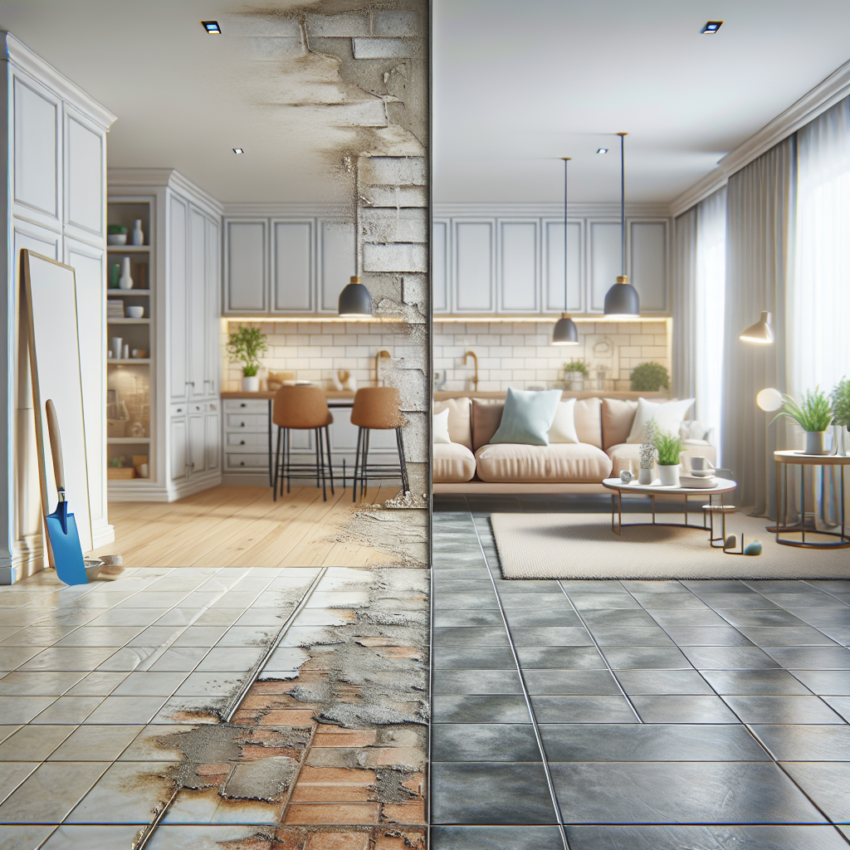
If you’re looking to enhance the aesthetic and longevity of your home, don’t overlook the power of grout. The right techniques and maintenance can make a world of difference in both the appearance and functionality of your tiled surfaces. This article provides expert tips and tricks to help you master the art of grout, transforming your living space into a showpiece.
Understanding Grout and Its Importance
Grout is more than just a filler for the gaps between your tiles. It provides crucial support and protection for tile installations. By creating a waterproof seal, it prevents moisture from seeping to the layers beneath, which can lead to costly water damage. Moreover, grout adds aesthetic value, allowing for creative designs with different colors and textures.
Preparing for Grouting Projects
Before diving into a grouting project, preparation is key. Start by selecting the right type of grout for your tiles. Options include sanded and unsanded varieties. Sanded grout is best for joints wider than 1/8 inch, offering durability and reduced shrinkage, while unsanded grout is perfect for finer joints and delicate tiles like glass.
Next, ensure your surface is clean and free of debris. Any imperfections or dust can affect the adhesion and finish of the grout. Use a tile cleaner or mild detergent to scrub the area and rinse thoroughly.
Expert Tips for Applying Grout
Let’s explore some expert tips that will help you achieve a professional finish. First, always mix grout to the manufacturer’s instructions, aiming for a consistency that is similar to smooth peanut butter. This ensures proper bonding and a uniform finish.
When applying, work in small sections and use a grout float at a 45-degree angle to push the grout firmly into the joints. This technique ensures even distribution and minimizes air pockets that could weaken the joints.
Main Maintenance Practices
Once you’ve successfully completed your grouting project, maintenance is the next step to ensuring its longevity. Regular cleaning with a pH-neutral cleaner will keep your grout looking fresh and prevent staining. It’s also a good idea to seal grout lines every year to enhance their water resistance, especially in high-moisture areas like bathrooms.
Troubleshooting Common Grout Issues
Like any home improvement project, grouting may present a few challenges. Cracking, discoloration, and mildew are common issues homeowners face. To combat cracking, ensure proper substrate and tile stability. Address discoloration by opting for high-quality grouts and sealers, and use mildew-resistant products in damp environments.
Beyond the Project: Enhancing Your Home
Grout may not be the most glamorous part of a renovation, but it can significantly impact your home’s appeal and function. A well-grouted tile installation not only looks great but also stands the test of time, offering a solid return on your investment.
For more insights into boosting your home’s value and appearance, you might find it helpful to learn about resurfacing a concrete driveway.
Conclusion
With these expert grout tips, you can enhance your home by ensuring your tiles are beautifully and securely installed. Whether you’re tackling a new project or refreshing existing surfaces, proper attention to grout will make all the difference.
- Choose the right grout for your specific tile and joint size.
- Mix and apply grout properly for a longer-lasting installation.
- Regular maintenance and sealing extend the life of your grout.
- Address common problems proactively to avoid costly repairs.
- Grouting skillfully can significantly enhance your home’s visual appeal.
FAQs
What type of grout should I use for my tiles?
Consider the joint size and tile material. Use sanded grout for joints larger than 1/8 inch and unsanded grout for narrower joints or delicate tile types like glass.
How often should I seal my grout?
It’s generally recommended to seal grout lines once a year, particularly in high-moisture areas, to maintain their water resistance and appearance.
What can I do if my grout starts to discolor?
Regular cleaning and appropriate sealers can help maintain grout color. If discoloration occurs, consider using grout colorants or cleaning products specifically designed for restoration.
How do I prevent my grout from cracking?
Ensure that the substrate is stable and meets all requirements for tile installation. Proper mixing and application of grout also play crucial roles in preventing cracks.
Where can I find more information on tile and grout care?
For more comprehensive resources on tile and grout care, visit this Wikipedia article on grouting techniques and best practices.