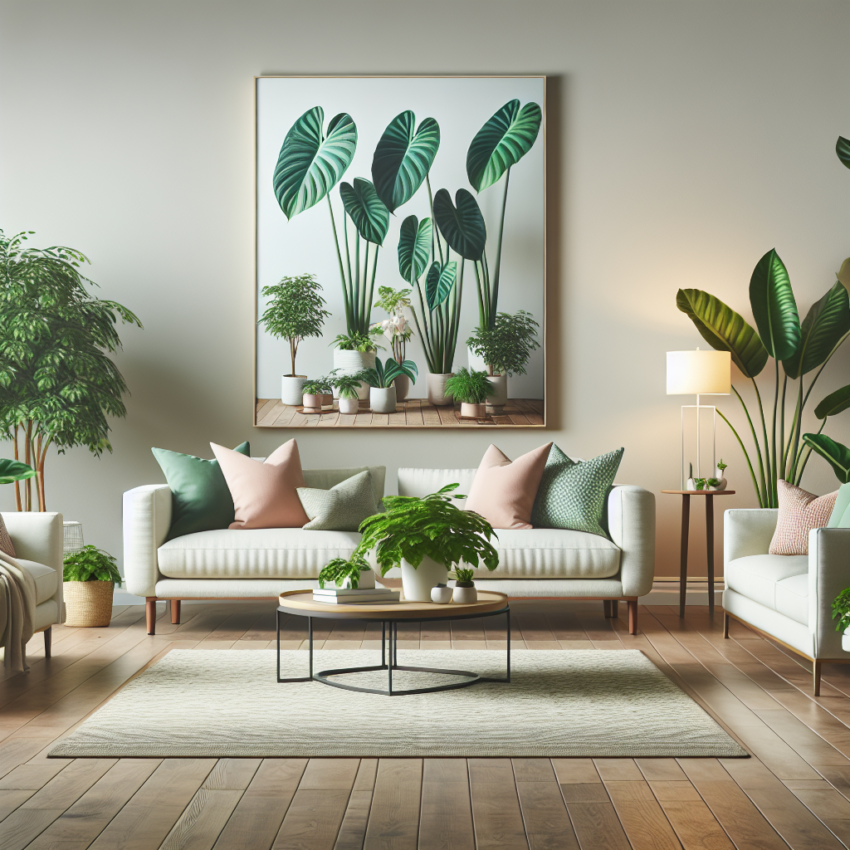
Transforming your home into a serene and stylish oasis can be as simple as introducing the captivating alocasia plant to your decor. Known for their stunningly unique foliage, alocasia plants have become a beloved choice among interior enthusiasts. Their exotic leaves bring an element of the extraordinary to any space, reflecting both beauty and vitality. Whether you’re a plant aficionado or new to the world of houseplants, incorporating an alocasia plant into your home can enhance your living environment effortlessly.
The Alocasia Plant: A Bold Addition to Your Decor
Native to the tropical rainforests of Asia and Eastern Australia, the alocasia plant, sometimes referred to as an elephant ear, is renowned for its large, heart-shaped leaves. The intricate vein patterns on the leaves add striking visual interest, which can serve as a centerpiece in any room. With over 79 species to choose from, the alocasia offers a diversity of forms and sizes, making it possible to find a variant that complements your home’s style and space constraints.
Choosing the Right Alocasia for Your Home
When selecting an alocasia plant, consider the size and light conditions of your intended space. Varieties like Alocasia Polly and Alocasia Zebrina thrive in bright, indirect light and can fit well in smaller spaces due to their compact size. For larger rooms, species such as Alocasia Macrorrhiza, with its impressive leaf span, can create a dramatic impact. Ensure the plant receives adequate humidity and warmth, mimicking its natural tropical habitat for optimal growth.
The foliage of alocasia plants is what truly sets them apart. Their leaves can vary in color from deep green to striking purple hues, often with a glossy finish that enhances their allure. These beautiful leaves not only serve an aesthetic purpose but also contribute to a healthier indoor environment by purifying the air.
Caring for Your Alocasia: Tips for Enthusiasts
Alocasia plants require specific care to thrive, making them a slightly more demanding choice for plant enthusiasts. Here are some essential tips:
- Watering: Keep the soil consistently moist but not soggy. Water the plant thoroughly and allow the top inch of soil to dry out between waterings.
- Humidity: Alocasia plants love humidity. Consider placing a humidifier nearby or regularly misting the leaves to replicate their natural environment.
- Temperature: Aim for temperatures between 65°F to 80°F. Sudden temperature drops or drafts can stress the plant.
- Fertilizing: Feed the plant with a balanced, water-soluble fertilizer every month during the growing season from spring to late summer.
Understanding the unique requirements of alocasia plants ensures that they not only survive but thrive, adding long-term beauty and elegance to your home.
Alocasia Plants and Design Harmony
Introducing alocasia plants into your home is not only about aesthetics but also about creating a space that reflects your personality and taste. Their bold, angular lines against softer elements of decor yield a pleasing contrast, enhancing visual interest. Pair them with contemporary furniture or vintage accents for a sophisticated look that never goes out of style.
If you’re looking to complement the beauty of your alocasia, consider incorporating other momentous interior pieces. For instance, adding a touch of nostalgia through timeless decor items like vintage maps can work wonders, creating a balanced environment that’s both stylish and inviting. For inspiration, check out our guide on decorating your home with vintage maps.
An alocasia plant, with its lush tropical vibe, introduces a fresh dynamic to interior spaces. Moreover, it pairs well with minimalist or eclectic styles, making it a versatile choice for various settings. Its distinctive appearance serves as a focal point that can easily be accentuated by others.
In conclusion, the alocasia plant truly embodies the harmony of nature and design, making it a perfect addition for those looking to refresh their home’s ambiance. With the right care and placement, these plants can serve as a beautiful expression of style in any room.
- The alocasia plant, known for striking leaves, is perfect for stylish decor.
- Choose the right variety based on your space’s size and light conditions.
- Alocasia requires particular care, including humidity and consistent watering.
- This plant can be a versatile part of many home design aesthetics.
- Explore more about combining decor items, such as vintage maps, with alocasia.
FAQs
What is an alocasia plant?
An alocasia plant is a tropical plant known for its large, beautiful leaves. It is also referred to as an elephant ear plant due to the shape of its foliage.
How do I take care of an alocasia plant?
Ensure your alocasia plant receives ample humidity and warmth, water it thoroughly but allow the top inch of soil to dry out between waterings, and provide it with bright, indirect light.
Can alocasia plants purify air indoors?
Yes, like many houseplants, alocasia plants can help purify the air by removing toxins and improving overall air quality indoors.
How large do alocasia plants typically grow?
The size of alocasia plants can vary widely depending on the species. Some remain compact, while others can grow several feet tall with leaves that span over a foot across.
Are alocasia plants toxic to pets?
Yes, alocasia plants can be toxic if ingested by pets. It’s important to keep them out of reach of cats, dogs, and other animals to avoid adverse reactions.