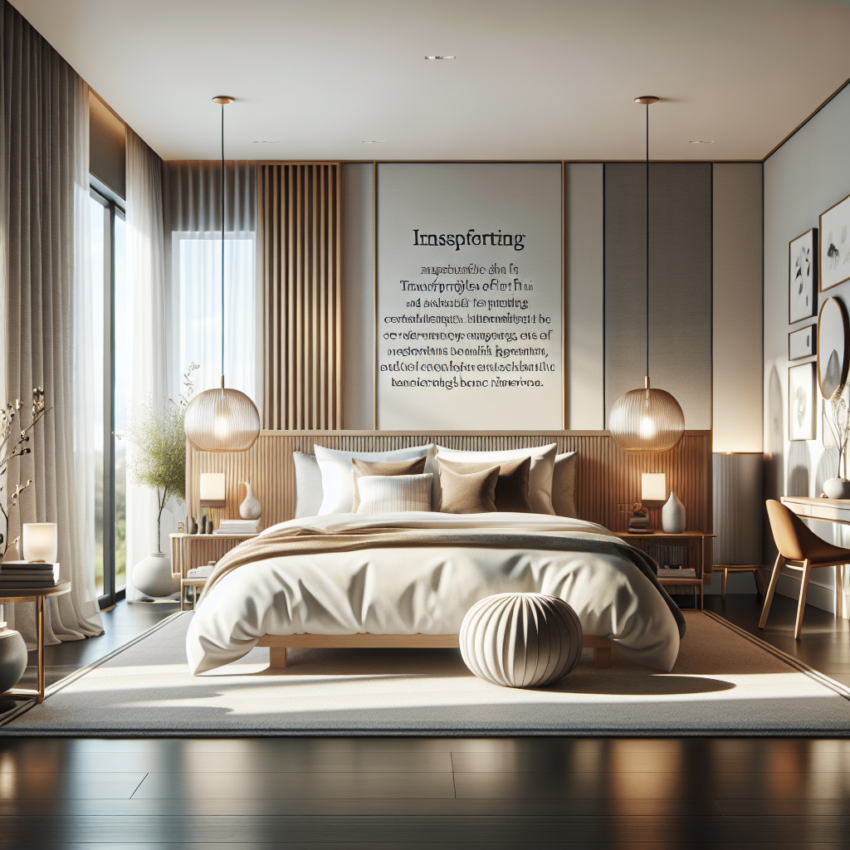
Creating a restful and harmonious sleep environment can significantly enhance your overall well-being. One popular method for achieving this is by applying feng shui bedroom principles. Feng shui, an ancient Chinese practice, aims to balance chi (energy) in spaces, enhancing both mental and physical health. By incorporating feng shui into your bedroom design, you can create a serene space that fosters a deep and restorative sleep.
Core Principles of Feng Shui Bedroom Design
Feng shui bedroom design integrates multiple elements that influence harmony and balance. The layout, colors, lighting, and even furniture placement all play crucial roles. Here are some essential aspects you can consider to bring feng shui into your bedroom:
Bed Placement
The position of your bed is one of the most critical factors in bedroom feng shui. Ideally, your bed should be placed diagonally from the door but not directly in line with it, fostering a sense of safety and security. This setup allows energy to flow freely around you as you sleep. Additionally, ensure there is a solid headboard and ample space on either side of the bed.
Use of Color
Colors have a profound impact on our mood and energy levels. In feng shui bedroom design, soft, neutral colors like beige, cream, or pale shades of blue and green are preferred. These calming hues support relaxation and tranquility, creating an ideal environment for rest.
Declutter Your Space
Clutter disrupts the flow of energy and can contribute to stress and anxiety. In a feng shui bedroom, keeping the space tidy and organized is essential. Remove any unnecessary items, especially from under the bed and within visible storage areas. Simplifying your space encourages a positive and peaceful atmosphere.
Natural Elements
Incorporating elements like plants, wood, and natural light can enhance your bedroom’s feng shui. Plants can improve air quality and introduce a fresh and vibrant energy into the room. Ensure the room is well-ventilated with access to natural light, and consider using wooden furniture to foster a warm and inviting ambiance.
Enhancing Energy Flow with Feng Shui Bedroom Techniques
To further optimize your bedroom feng shui, consider these additional techniques:
Mirrors and Artwork
While mirrors can amplify light and energy, they should be used thoughtfully. Avoid placing mirrors opposite the bed, as this can disrupt personal energy. Instead, position mirrors where they can reflect light but not disrupt sleep. Artwork featuring serene landscapes or calming scenes can also enhance the room’s tranquility.
Lighting
Lighting has a significant impact on the feng shui of a space. Layer your lighting with a combination of overhead lights, bedside lamps, and natural light. Dimmers can provide flexibility, enabling you to adjust lighting levels based on your mood and activities, promoting relaxation as evening approaches.
Incorporating Fragrances
Fragrance can play a role in achieving a balanced bedroom environment. Diffusing essential oils like lavender or chamomile may support relaxation and improve sleep quality. Choose scents that are subtle and soothing, enhancing the calmness of your sleep space.
For more ideas on how to harmonize your home with unique decor trends, you might want to explore decorating your home with vintage maps for a timeless and personalized touch.
Technology and Electronics
To maintain a restful energy, keep electronic devices to a minimum in your bedroom. The electromagnetic energy from gadgets can interfere with sleep patterns. If possible, charge phone and other devices outside the room to cultivate a more peaceful sleeping environment.
Personal Touches
Adding personal elements like family photos, meaningful decor, and cherished items can personalize your space while maintaining positive energy. Choose items that evoke happy memories or contribute to a sense of peace and comfort.
Conclusion: Embrace Feng Shui Bedroom Practices
Incorporating feng shui bedroom practices can transform your sleep environment into a sanctuary of calm and relaxation. By carefully considering elements such as bed placement, color, and energy flow, you can create a bedroom that supports restful sleep and rejuvenation. For more information on health and lifestyle approaches, visit this Health resource.
- Feng shui aims to balance energy to promote well-being.
- Bed placement and color are crucial in feng shui bedroom design.
- Natural elements and decluttering enhance energy flow.
- Mirrors, lighting, and personal touches should be carefully considered.
What is the main goal of feng shui in a bedroom?
The primary goal of feng shui in a bedroom is to create a balanced and harmonious environment that promotes relaxation, positive energy flow, and restful sleep.
Can I incorporate feng shui with any decorating style?
Yes, feng shui principles can be integrated with any decorating style by focusing on energy balance, decluttering, and the strategic use of color and natural elements.
Are there specific colors I should avoid in a feng shui bedroom?
Bright, intense colors like reds or vibrant purples can be overly stimulating for a bedroom. It is advisable to use softer, muted tones that encourage relaxation.
How can I integrate feng shui if my bedroom is small?
In a small bedroom, focus on maintaining clear pathways, using multifunctional furniture, and implementing vertical storage to minimize clutter and optimize space and energy flow.
Do I have to believe in feng shui for it to work?
Whether you believe in feng shui or not, the principles align with practical approaches to home organization and design that can positively impact your environment and well-being.