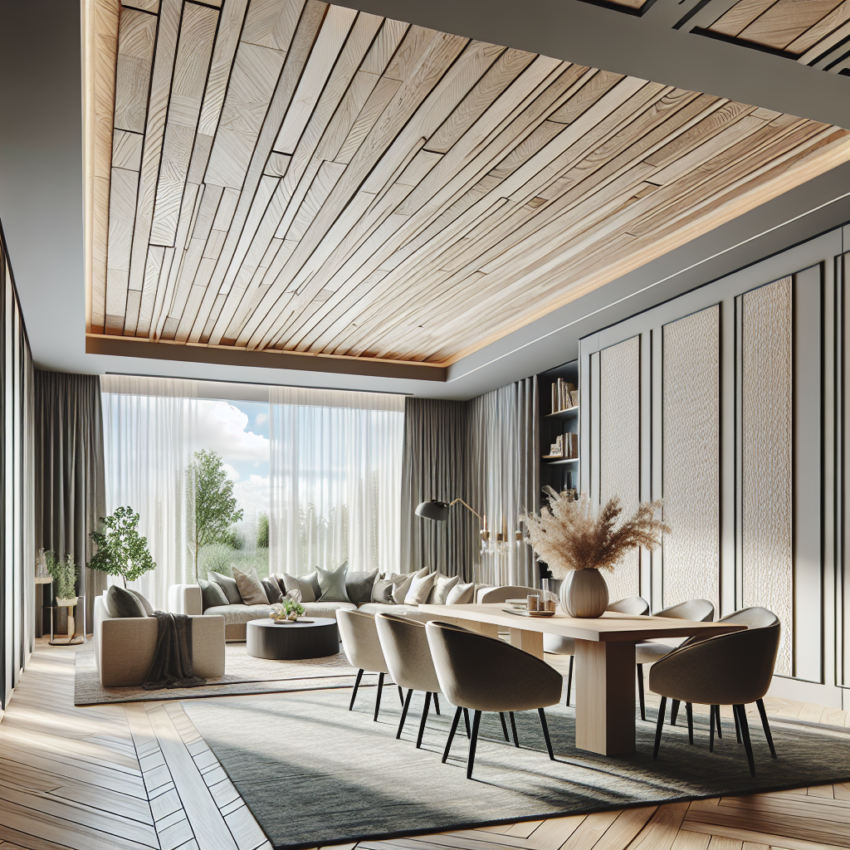
If you want to transform a room with a modern yet timeless look, consider a shiplap ceiling. This versatile design element not only adds character but also enhances the architectural interest of any space. With proper installation, a shiplap ceiling can create a sense of depth, complement various decor styles, and even add value to your home.
The Appeal of a Shiplap Ceiling
Shiplap, traditionally used on the exterior of homes for weatherproofing, has made its way indoors as a popular decorative feature. A shiplap ceiling provides a rustic charm that can be paired with both traditional and contemporary design elements. It’s particularly effective in creating a cozy, farmhouse aesthetic but is versatile enough to suit more modern tastes, too.
Materials and Installation Options
When you’re considering a shiplap ceiling, the first step is choosing the right material. Common options include natural wood, MDF (medium-density fiberboard), or even PVC for a moisture-resistant choice in bathrooms or kitchens. Each material has its price point, textural appearance, and durability.
Installation can often be done by DIY enthusiasts, provided they are comfortable with basic carpentry and ceiling work. However, hiring a professional ensures a flawless finish, particularly if your ceiling is large or has unusual angles.
Design Flexibility
A shiplap ceiling brings a clean, linear look that can visually heighten a room. It works well by drawing the eyes upward, making ceilings appear taller. White or off-white painted panels are common for a classic look. For a bolder statement, consider painting the shiplap in a contrasting color that complements your room’s decor.
Create a cohesive theme by extending the shiplap to walls or using it as a feature in an accent corner. This can help tie elements of a room together. For those who love eclectic styles, mixing wood stains and colors on the shiplap can create an engaging, custom design.
Benefits of Installing a Shiplap Ceiling
Beyond its aesthetic appeal, a shiplap ceiling has practical benefits. It can hide imperfections or outdated textures like popcorn ceilings. Shiplap also serves as a fresh canvas for lighting fixtures, allowing you to integrate modern or vintage lights seamlessly.
In terms of resale value, buyers often appreciate the added charm and quality a shiplap ceiling represents. This feature can be a standout aspect in real estate listings, setting your home apart in the market.
Maintain and Care for Your Shiplap Ceiling
Maintaining a shiplap ceiling involves regular dusting, given the horizontal grooves where dust might collect. Depending on the material used, it might need occasional refinishing or repainting to maintain its look. Proper initial installation can also minimize long-term maintenance, as well-installed panels are less likely to warp or come loose.
Enhancing Your Home with Complementary Designs
To maximize the impact of a shiplap ceiling, consider pairing it with other design elements like vintage maps on walls. This pairing further enriches a room’s character and can create a cohesive and conversational home environment. Learn more about incorporating vintage maps into your decor by visiting our detailed guide on vintage map decor.
For additional inspiration on historical applications of shiplap and its evolution as a design element, you can explore its background on the Wikipedia page for shiplap.
Whether you opt for classic white or a custom color, the shiplap ceiling gives you the means to dramatically change the feel of your home while adding layers of history and style. With its rising popularity and flexibility, it’s an innovative choice that offers both aesthetic and practical advantages.
- Shiplap ceilings offer versatile design opportunities.
- Different materials suit different budgets and locations.
- Shiplap can enhance other elements such as lighting.
- Installation can be DIY, but professional help offers a polished finish.
- Regular maintenance helps maintain the ceiling’s beauty and function.
What is a shiplap ceiling?
A shiplap ceiling involves the installation of horizontal planks that overlap, creating a smooth surface with visible grooves. It is often used for its aesthetic appeal and ease of installation.
Can I install a shiplap ceiling myself?
Yes, many homeowners with carpentry skills choose to install their own shiplap ceilings. However, professional installation is recommended for larger or more complex projects to ensure the proper finish.
What types of materials are used for shiplap ceilings?
Common materials include wood, MDF, and PVC. Wood offers a natural look, MDF is budget-friendly, and PVC is moisture-resistant, suitable for bathrooms and kitchens.
How do I maintain a shiplap ceiling?
Regular dusting and occasional refinishing or repainting will keep your shiplap ceiling looking its best. Ensure proper installation from the start to minimize maintenance issues like warping.
Why choose a shiplap ceiling over other types of ceilings?
Shiplap ceilings offer a distinctive look that can suit various design styles, from rustic to modern. They can also add value to your home and offer a practical solution for covering imperfections or outdated textures.