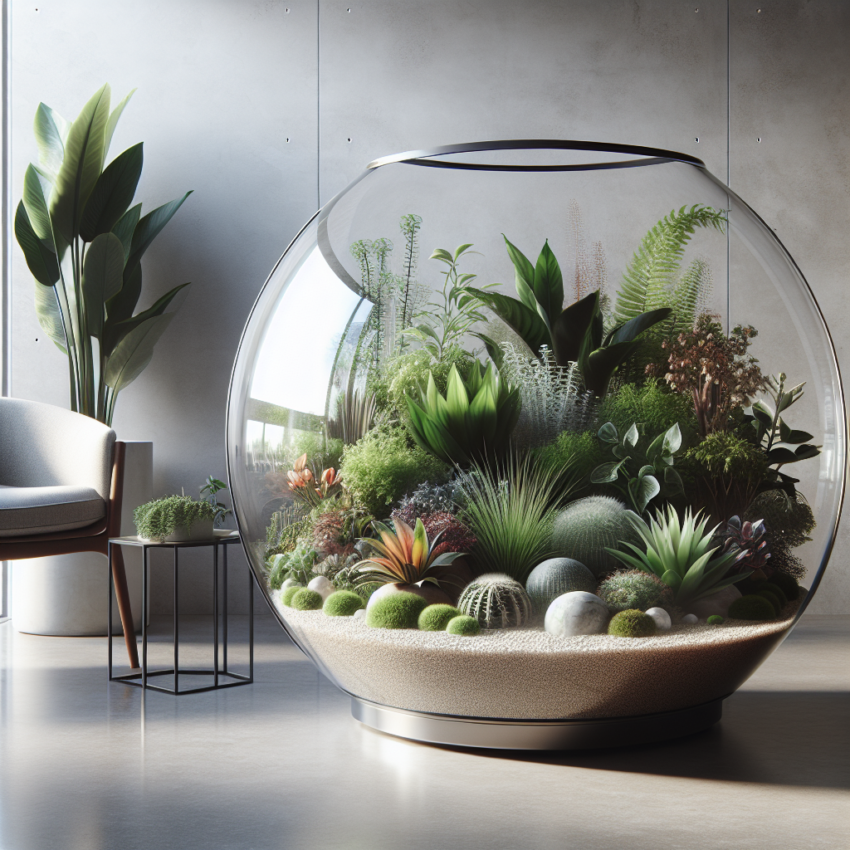
Transforming your space with plants inside a terrarium can elevate the aesthetics of any room while introducing a touch of nature. Terrariums are unique, self-contained ecosystems that accommodate various plants, providing them with a controlled environment to thrive. Whether you’re a seasoned gardener or just starting out, the simplicity and allure of terrariums make them an appealing option.
Why Choose Plants Inside a Terrarium?
There are numerous reasons why incorporating plants inside a terrarium is a fantastic choice. Firstly, terrariums are compact and versatile, making them suitable for small spaces. They can effortlessly fit onto desks, shelves, or windowsills without taking up too much room. This is ideal for those living in urban areas with limited outdoor gardening space.
Secondly, terrariums create a unique indoor microclimate. The enclosed nature helps maintain consistent humidity levels, benefiting many plant species that thrive in moist conditions. Additionally, the glass walls of a terrarium act as a protective barrier, shielding the plants from sudden temperature changes, pests, and direct drafts.
Creating Your Own Terrarium
Building a terrarium involves a few basic steps. Begin by selecting a container. Glass containers are most popular because they allow light to penetrate and keep moisture in. Consider the size and shape based on where you plan to display your terrarium.
Selecting the Right Plants
When choosing plants inside a terrarium, consider species that thrive in humid conditions. Ferns, mosses, and air plants are popular choices. Ensure that all selected plants have similar light and moisture needs to maintain a balanced ecosystem.
Layering the Base
Start with a layer of small stones or gravel. This layer acts as a drainage system, preventing water from accumulating at the roots which can lead to rot. Next, add a thin layer of activated charcoal to help filter water and keep it fresh.
The next step is to place a layer of moss over the charcoal. It acts as a barrier, keeping soil from mixing with the stones. Finally, add the potting soil. Ensure that the soil is appropriate for the type of plants you’ll be introducing.
Caring for Your Terrarium
One of the significant benefits of having plants inside a terrarium is the minimal maintenance required. However, they still need some care to thrive. Humidity is naturally higher in a terrarium, meaning watering needs are less frequent. Ensure the soil is slightly damp, but not waterlogged.
Light is another crucial factor. Most terrariums thrive in bright but indirect sunlight. Direct sunlight can create a greenhouse effect, potentially overheating and harming the plants inside. Rotate the terrarium occasionally to ensure even light distribution.
Lastly, keep an eye out for overgrowth and mold. Pruning is essential to preventing overcrowding and ensuring healthy growth. Mold can be a sign of too much moisture, so adjust watering if needed.
The Environmental Benefits of Terrariums
Beyond aesthetic appeal, having plants inside a terrarium offers environmental benefits as well. Plants naturally purify the air by absorbing toxins and releasing oxygen, improving indoor air quality. Additionally, terrariums require fewer resources compared to traditional gardening, making them an eco-friendly choice.
For more on creating sustainable systems indoors, you may find this guide to irrigation systems particularly helpful.
To dive deeper into the fascinating world of miniature ecosystems, visit Wikipedia’s page on terrariums.
Conclusion
Incorporating plants inside a terrarium can rejuvenate your living or workspace. They offer a balance of beauty and functionality while requiring low maintenance. Embrace the creativity in designing your little slice of nature and enjoy the indoor greenery.
- Terrariums bring nature indoors and require minimal space.
- Choose plants with similar needs for a thriving ecosystem.
- Maintain humidity and avoid direct sunlight to protect plants.
- Terrariums are eco-friendly and enhance indoor air quality.
FAQs
What types of plants are best suited for terrariums?
Ferns, mosses, and tropical plants that thrive in humidity are ideal for terrariums.
How often should I water the plants inside a terrarium?
Check that the soil is damp but not waterlogged. Watering every few weeks may suffice depending on the environmental conditions.
Can I keep a terrarium in direct sunlight?
Direct sunlight can overheat a terrarium, so it’s best to keep it in bright but indirect light.
Do I need to prune my terrarium plants?
Pruning is necessary to manage growth and prevent overcrowding, which can lead to mold.
How do terrariums benefit the environment?
Terrariums improve indoor air quality by absorbing toxins and releasing oxygen, requiring fewer resources than traditional gardening.