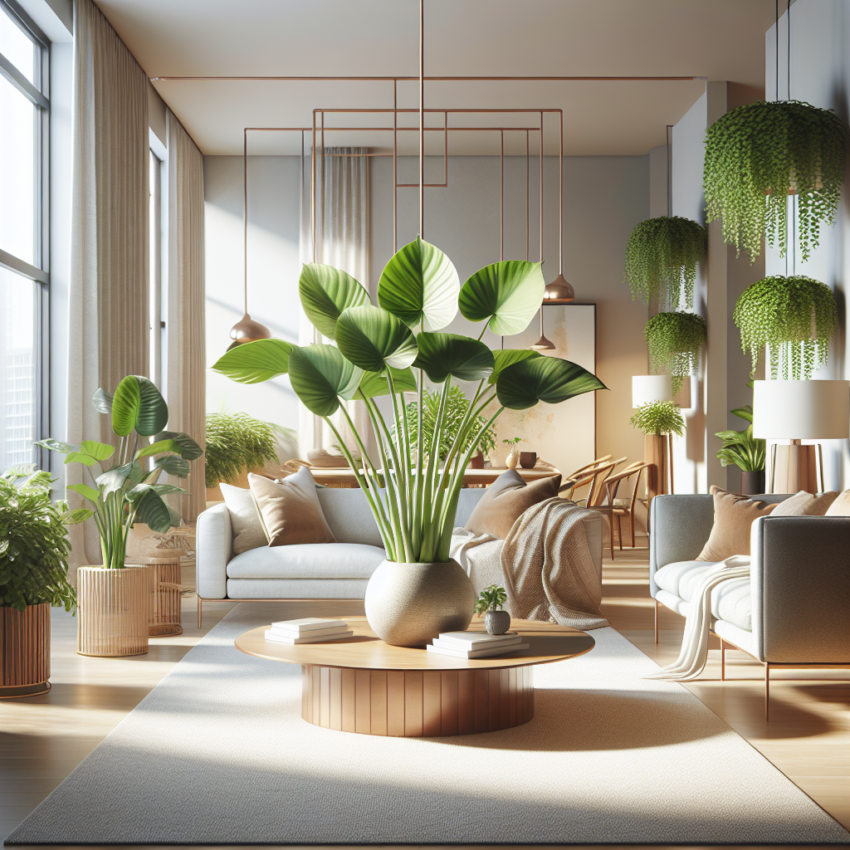
Elephant ears plants are a fantastic addition to any garden or indoor space. Their large, lush leaves create an exotic look that transforms ordinary areas into tropical havens. People often seek out elephant ears for their striking appearance and easy maintenance, making them a popular choice among plant enthusiasts looking to refresh their homes.
The Appeal of Elephant Ears
Elephant ears are loved for their bold, heart-shaped leaves that can grow to impressive sizes. Originating from tropical and subtropical regions, these plants thrive in environments where high humidity and well-drained soil are abundant. They come in various species, each with unique leaf patterns and colors.
Aside from their aesthetic appeal, elephant ears serve functional purposes in garden landscapes. Their broad leaves provide ample shade, and they are excellent at maintaining humidity levels around them. Elephant ears can adapt to both indoor and outdoor settings, making them versatile additions to any plant collection.
Choosing the Right Variety
When selecting elephant ears for your home or garden, consider your local climate and the specific conditions of your planting area. Different varieties have varying tolerances to sunlight, temperature, and moisture. Some popular types include:
- Colocasia esculenta: Also known as taro, this variety is popular for its edible corms and appealing as a garden plant.
- Alocasia macrorrhiza: Known for its particularly large leaves, this variety is often called the “giant taro.”
- Xanthosoma: This variety features vivid leaf veins and is commonly grown for ornamental purposes.
Choosing the right variety ensures that your elephant ears thrive in their environment and contribute effectively to your desired aesthetic.
Caring for Elephant Ears
Elephant ears require particular conditions to flourish. Ensure they receive enough water, especially during dry periods, as their large leaves transpire water quickly. However, avoid waterlogged soil by planting them in areas with good drainage.
These plants prefer filtered sunlight, mimicking the dappled light they receive in their natural habitats. Direct sun can cause leaf burn, while too little light can lead to leggy growth. During colder months, potted plants should be brought indoors to protect them from frost.
Transforming Your Space
Incorporating elephant ears into your home or garden design offers both aesthetic and environmental benefits. Position these plants strategically to maximize their visual impact, such as using them as centerpieces or to frame garden paths.
For inspiration on combining different plant structures and enhancing growth, consider exploring resources on optimizing space, such as ways to enhance plant-based growth. For more comprehensive information on gardening best practices, visit this page about plant health.
FAQs about Elephant Ears
What are some common problems with growing elephant ears?
Common issues include leaf yellowing or browning, often due to improper watering or light conditions. Pests such as spider mites and aphids may also affect them.
Are elephant ears toxic to pets?
Yes, parts of the elephant ears plant can be toxic to pets if ingested, causing symptoms like drooling or vomiting. It’s important to keep them out of reach of pets.
Can elephant ears grow indoors?
Yes, elephant ears can be grown indoors with proper care. Ensure they have enough humidity and light, and choose a variety suited for indoor conditions.
How do I propagate elephant ears?
Elephant ears can be propagated by dividing the tubers. Plant the divided sections in well-drained soil and provide adequate water and light.
What is the best soil for elephant ears?
Elephant ears prefer rich, organic, well-drained soil that retains moisture but does not remain waterlogged. Adding compost can improve soil quality.
Conclusion
Elephant ears can transform any space with their bold, dramatic presence. Whether you’re looking to create a lush indoor oasis or add an exotic touch to your garden, these plants offer a wealth of opportunities for creativity and enjoyment.
- Elephant ears bring a tropical touch with their large, vibrant leaves.
- Choose the right variety based on your regional climate.
- Proper care includes regular watering and protection from extreme temperatures.
- These plants adapt well to both indoor and outdoor environments.
- Elephant ears can dramatically enhance your space aesthetically and functionally.