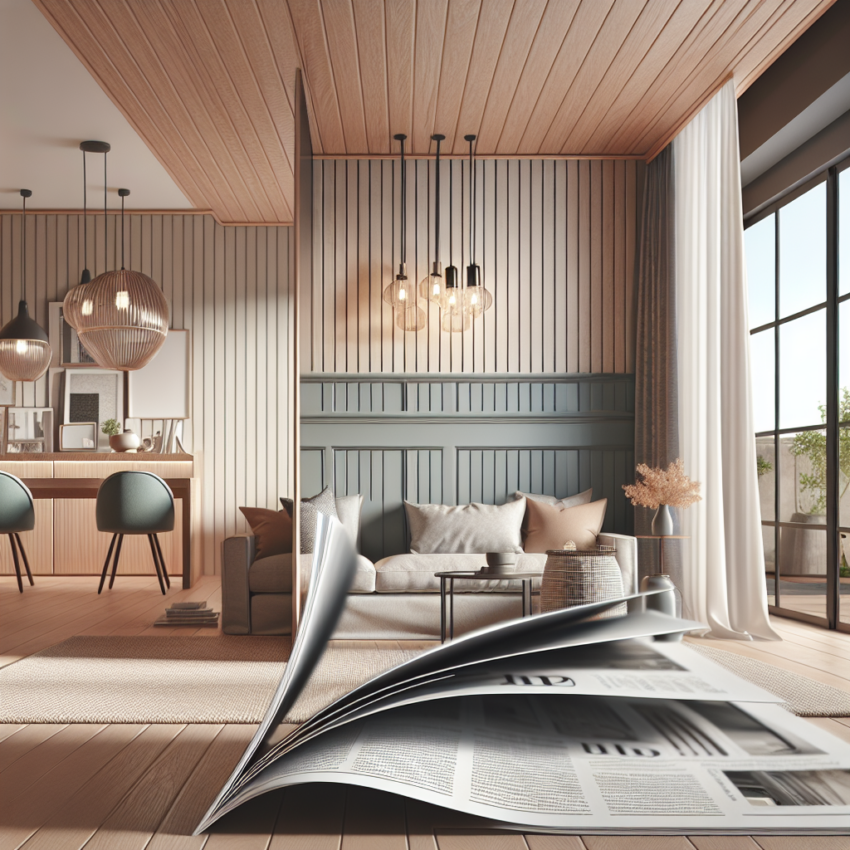
When it comes to home improvement, beadboard is a versatile and stylish solution that can transform any space. This charming wainscoting option not only adds texture and visual interest to your walls but also provides a practical solution for protecting them. Whether you’re renovating a bathroom, sprucing up a tired hallway, or creating an inviting kitchen atmosphere, beadboard might be the breath of fresh air your home needs.
Understanding Beadboard
Beadboard consists of narrow, vertical planks with distinctive grooves or beads. Traditionally made from wood, beadboards can also be found in medium-density fiberboard (MDF) or PVC styles, making them suitable for a variety of applications and budgets. The installation of beadboard is relatively straightforward, making it a popular choice among DIY enthusiasts.
Historically, beadboard was used in log cabins and cottages, lending rustic charm to these dwellings. Today, its appeal has expanded to modern and traditional settings alike. Its simplicity allows it to marry well with various design styles, from farmhouse to coastal chic.
The Versatility of Beadboard
One of the primary attractions of beadboard is its versatility. It can be installed horizontally, vertically, or even diagonally to create your desired aesthetic. It works beautifully as a partial wall treatment or as full-wall coverage.
Bathrooms often benefit from beadboard due to its moisture-resistant properties, especially when using PVC material. In kitchens, it can serve as an eye-catching backsplash that stands against the test of time and trends. Even the ceiling is a canvas for beadboard, creating a unified and cozy feel throughout a space.
Another adaptable feature of beadboard is the ability to paint or stain it in any color. Whether you embrace crisp white for a clean, coastal look, soft pastels for a vintage feel, or bold hues to make a statement, beadboard adapts seamlessly to your vision.
Creative Uses of Beadboard
Decorating your home with vintage maps is a timeless trend, just as integrating beadboard into unexpected areas can elevate your interior design. Consider using beadboard as an accent wall in the bedroom to create a cozy focal point. This simple enhancement could set the tone for the entire room.
In children’s rooms, beadboard adds a playful yet sophisticated touch. Painted in bright colors, it can offer a vibrant backdrop for growing imaginations. Additionally, beadboard can be utilized to create unique headboards or as the paneling for a built-in bookcase.
Installing Beadboard
Installing beadboard is a project that can be tackled by most handy homeowners. It typically involves measuring and cutting the panels to fit the desired space. The panels are then adhered directly to the wall using construction adhesive, followed by securing with nails for stability.
Once installed, the natural grooves of the beadboard make painting a breeze, providing an even surface for the paint to adhere to. If you’re considering adding beadboard to a space exposed to moisture, ensure proper sealing techniques to prevent water damage.
For those unfamiliar with home renovation tasks, hiring a professional ensures a flawless finish and can provide peace of mind.
Maintaining Your Beadboard
Maintenance of beadboard is minimal, making it an attractive choice for busy households. Regular dusting and occasional wiping with a damp cloth help maintain its appearance. For painted beadboards, occasional refreshes with paint touch-ups might be necessary to keep it looking new.
For homeowners using beadboard in high-traffic or moisture-prone areas, choosing a material like PVC, which is more resistant to humidity and wear, can prolong the life and look of your beadboard installation.
Conclusion
With its enduring appeal and flexible applications, beadboard remains a beloved option for homeowners seeking to enhance their living spaces. Whether used in a modern kitchen or a rustic bathroom, beadboard offers endless possibilities and styles. Explore the charm and character it can bring to your next home improvement project. Remember, beadboard is not only a stylish choice but also a practical one, providing your walls with added protection and aesthetic allure.
- Beadboard is versatile, suitable for various rooms and styles.
- Installation can be a DIY project or done by professionals.
- Maintenance is easy, typically requiring only regular cleaning.
- Available in materials like wood, MDF, and PVC.
- Can be painted or stained to match any decor.
What is beadboard made of?
Beadboard is traditionally made from wood, but modern versions can also be crafted from MDF or PVC, offering moisture-resistant options ideal for bathrooms and kitchens.
Can I install beadboard myself?
Yes, installing beadboard is a relatively straightforward process that can be completed by most DIY enthusiasts. It involves measuring, cutting, and adhering the panels to the wall.
Where can I use beadboard in my home?
Beadboard can be used in various areas, including bathrooms, kitchens, hallways, and even as ceiling paneling. Its versatility allows for both practical and decorative applications.
Is maintenance of beadboard difficult?
Regular maintenance is simple, generally involving dusting and occasional wiping with a damp cloth. Painted beadboards might require periodic touch-ups.
Can beadboard be customized?
Yes, beadboard can be painted or stained in any color, making it adaptable to different decor styles and personal preferences.
For more about the uses of beadboard and other materials, you may find this Wikipedia article informative.