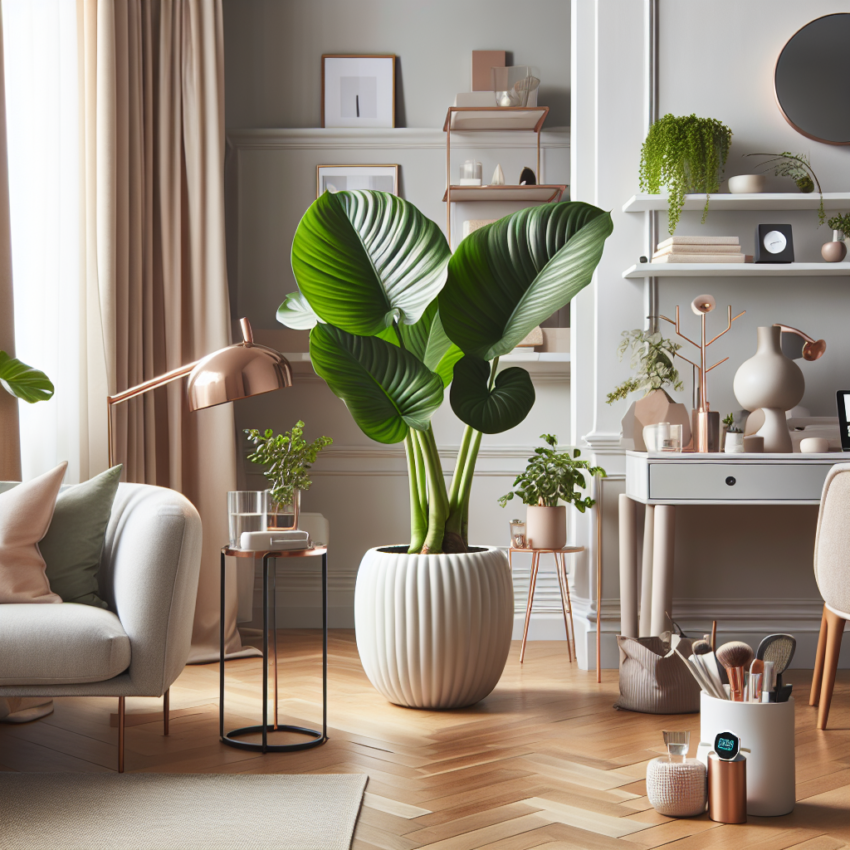
The lush beauty of the elephant ear plant is transforming homes and gardens into tropical paradises. This striking plant, renowned for its large, dramatic foliage, makes an impressive statement in any space. In this article, we delve into the care, varieties, and benefits of growing elephant ear plants to help you cultivate your own vibrant haven.
Caring for Your Elephant Ear Plant
Elephant ear plants require attention and care to flourish. They thrive in warm, humid environments, making them perfect for indoor and outdoor tropical displays. These plants prefer indirect sunlight, so placing them in a bright room away from direct sun exposure is ideal.
Watering is crucial to elephant ear care. Keep the soil consistently moist, but avoid waterlogging which can lead to root rot. Aim to use a well-drained soil mix and ensure your pots have adequate drainage. During the growing season in spring and summer, applying a balanced fertilizer can promote vigorous growth.
Choosing the Right Variety
There are several types of elephant ear plants to consider, each offering unique features. Alocasia, Colocasia, and Xanthosoma are popular varieties. Each has different leaf shapes and sizes, with Colocasia being the most widespread for ornamental use. These varieties are also distinguished by their color variations, ranging from deep green to striking variegated patterns.
Understanding the specific needs of each variety is essential. For instance, Colocasia generally prefers boggy, wetter conditions, whereas Alocasia might tolerate slightly drier soil. Knowing these preferences can help you select the best elephant ear type for your environment.
Benefits Beyond Beauty
Beyond their aesthetic appeal, elephant ear plants can improve your living space in other ways. Their large leaves can help purify the air by absorbing toxins and increasing humidity levels, which is beneficial for human skin and respiratory health. Additionally, these lush greens can contribute to a sense of tranquility and wellness, enhancing mental well-being.
For those exploring holistic approaches to health, integrating plants like the elephant ear can create a more harmonious living space. Interested readers can explore how plant-based environments might support wellness in natural remedies for hormonal balance.
Starting Your Elephant Ear Plant Journey
Are you ready to start cultivating these impressive plants? Here’s a simple guide to kickstart your green journey:
- Select a container with good drainage and fill it with a rich, well-aerated potting mix.
- Plant your elephant ears during the spring when temperatures are consistently warm.
- Water immediately after planting, ensuring the soil remains moist but not saturated.
- Position in partial shade for optimal growth, avoiding the harsh midday sun.
- Monitor plant health regularly, watching for signs of pests such as mites or root rot.
Potential Challenges and Solutions
While elephant ear plants are relatively hardy, they can face challenges. Common issues include leaf spots, pests, and yellowing leaves due to overwatering. Counteract these problems by maintaining optimal watering schedules, ensuring adequate drainage, and occasionally wiping leaves to deter pests.
Another potential concern is the plant’s rapid growth rate, which may require periodic repotting. Provide plenty of room for expansion, as confined roots can stunt growth and diminish the plant’s full potential.
For a comprehensive understanding of the elephant ear plant, including its history and outdoor planting dynamics, consider exploring more at this detailed reference.
Whether you’re enhancing a humid indoor setting or creating a tropical garden oasis, the elephant ear plant can dramatically transform your space. With the right care and attention, your home or garden will become an exotic haven for relaxation and inspiration.
- Elephant ear plants thrive in warm, humid environments.
- A variety of types, such as Alocasia and Colocasia, offer diverse aesthetics.
- Caring for elephant ears involves maintaining soil moisture and indirect sunlight exposure.
- Regular monitoring and care can prevent common plant issues.
- These plants contribute to air purification and aesthetic appeal.
Are elephant ear plants toxic to pets?
Yes, elephant ear plants can be toxic to pets if ingested. They contain calcium oxalate crystals which can cause irritation and swelling in the mouth. Keep them out of reach of curious pets and consult a veterinarian if your pet consumes any part of the plant.
How large can elephant ear plants grow?
Elephant ear plants can grow to impressive sizes, with some outdoor varieties reaching heights of up to 8 feet, and leaves spanning several feet in length. Indoor varieties typically stay smaller but still feature large, eye-catching foliage.
Can I grow elephant ear plants indoors?
Yes, elephant ear plants can be successfully grown indoors. They require a bright room with indirect sunlight and regular watering to keep the soil moist. Ensuring a humid environment can help them flourish indoors.
What soil is best for elephant ears?
A well-drained, aerated potting mix is ideal for elephant ears. The soil should retain moisture without becoming waterlogged. During growing seasons, adding organic matter or slow-release fertilizer can enhance growth.
How do I propagate elephant ear plants?
Elephant ears can be propagated through division. In the growing season, gently separate a healthy plant into smaller sections, ensuring each has roots. Replant in suitable conditions, and water adequately to encourage new growth.