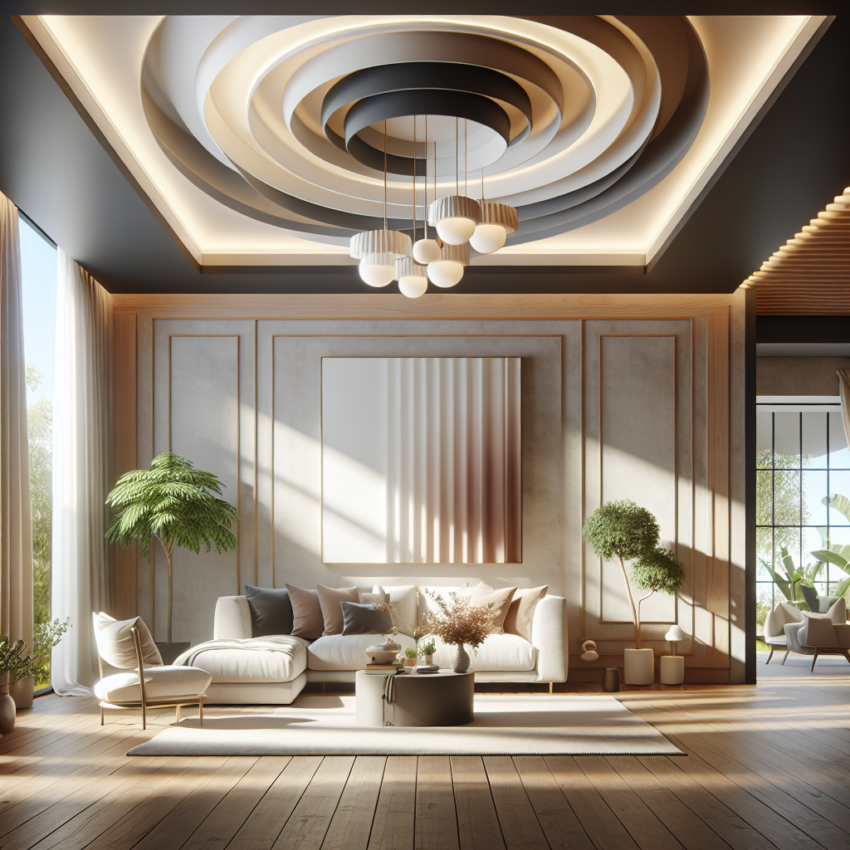
Your home’s aesthetic can be profoundly influenced by the choices you make when it comes to ceiling paint. Whether you’re looking to create a sense of space, enhance light, or make a bold statement, the right ceiling paint can make all the difference. Understanding the nuances of various paints can help transform any room from ordinary to extraordinary.
Understanding Ceiling Paint Options
When selecting ceiling paint, it’s important to consider the function and finish you want to achieve. Ceilings often require a different type of paint than walls, primarily because they are less exposed to wear and tear but more to light reflection. Certain paints are specifically formulated to minimize dripping and improve coverage, often possessing a flat or matte finish to reduce glare.
Flat and matte finishes are the most common for ceilings given their non-reflective nature, which hides imperfections and provides a seamless look. An eggshell or satin finish might be preferable in bathrooms or kitchens where moisture resistance is needed, as these finishes can be wiped clean more easily.
Choosing the Right Ceiling Paint Colors
The color of your ceiling paint can dramatically affect the perceived size and brightness of a room. White is a classic choice that reflects light effectively, making a room feel open and airy. However, different shades of white or even soft pastels can provide a subtle, customized touch.
For those looking to make a bolder statement, darker colors can add drama and coziness. Utilizing a dark ceiling with contrasting lighter walls can create an intimate space that feels inviting and cozy. Alternatively, matching the ceiling color with the walls can unify the room, especially in open-plan spaces.
Impact of Lighting on Ceiling Paint Choices
Consider how natural and artificial lighting will affect your ceiling paint choices. North-facing rooms might benefit from warmer shades to counteract cooler light, while south-facing spaces can embrace cooler tones. The same principle applies to artificial lighting; the type of bulbs used can alter the appearance of ceiling colors significantly.
Complementing Your Interior Design
Your ceiling paint should complement the overall design and decor of your space. Coordinate with the hues already present in furnishings, floors, and decor elements to create a cohesive look. If your room features vintage elements, integrating them into a ceiling design can create a timeless appeal. For ideas on how to use vintage elements, you can decorate your home with vintage maps.
Ceiling Paint and Special Spaces
Certain rooms demand specific attention to ceiling paint details. In kitchens and bathrooms, moisture and potential staining are concerns, so selecting a durable, washable paint is essential. A satin or semi-gloss finish might be more resistant to humidity and easier to clean, making them ideal for these environments.
For a child’s room or home office, opt for soft, calming colors that support focus and relaxation. In entertainment spaces like media rooms, consider dark, rich colors that improve movie-viewing experiences by reducing light reflections.
Caring for Your Painted Ceilings
Maintaining painted ceilings involves regular dusting and addressing any spots or stains promptly. Use a dry microfiber cloth for dusting and a gentle, non-abrasive cleanser for any necessary cleaning. For ceilings in high-humidity areas, ensure proper ventilation to prevent peeling and mildew.
Final Thoughts on Ceiling Paint
Ultimately, choosing the right ceiling paint depends on your functional needs and aesthetic preferences. With the right selection, your home’s ceilings can complement and elevate your interior spaces, underscoring the importance of thoughtful planning and consideration in home design. From finishes to colors, the possibilities are vast, offering opportunities for creativity and personal expression. For more information about the impact of ceiling design and paint choices, check this detailed resource.
- The right ceiling paint can significantly impact your room’s look and feel.
- Choose finishes based on room function and lighting conditions.
- Light colors enhance space, while dark tones offer intimacy.
- Special finishes may be needed for rooms with high moisture.
- Regular maintenance ensures lasting beauty of painted ceilings.
What is the best finish for ceiling paint?
Flat or matte finishes are generally best for ceilings as they help minimize surface imperfections and reduce glare from lighting.
Can I use wall paint on my ceiling?
While technically possible, using paint designed specifically for ceilings reduces the risk of drips and uneven coverage, resulting in a better finish.
How do I choose a ceiling paint color for a small room?
Light colors, such as whites and soft pastels, can make a small room feel larger and brighter by reflecting more light.
Should bathroom ceilings be painted differently?
Yes, bathroom ceilings should be painted with moisture-resistant paint in an eggshell or satin finish to withstand humidity and allow for easy cleaning.
What ceiling paint is best for high-traffic areas?
In high-traffic areas, a more durable paint that can withstand frequent cleaning is advisable. A satin or semi-gloss finish may be suitable for such spaces.