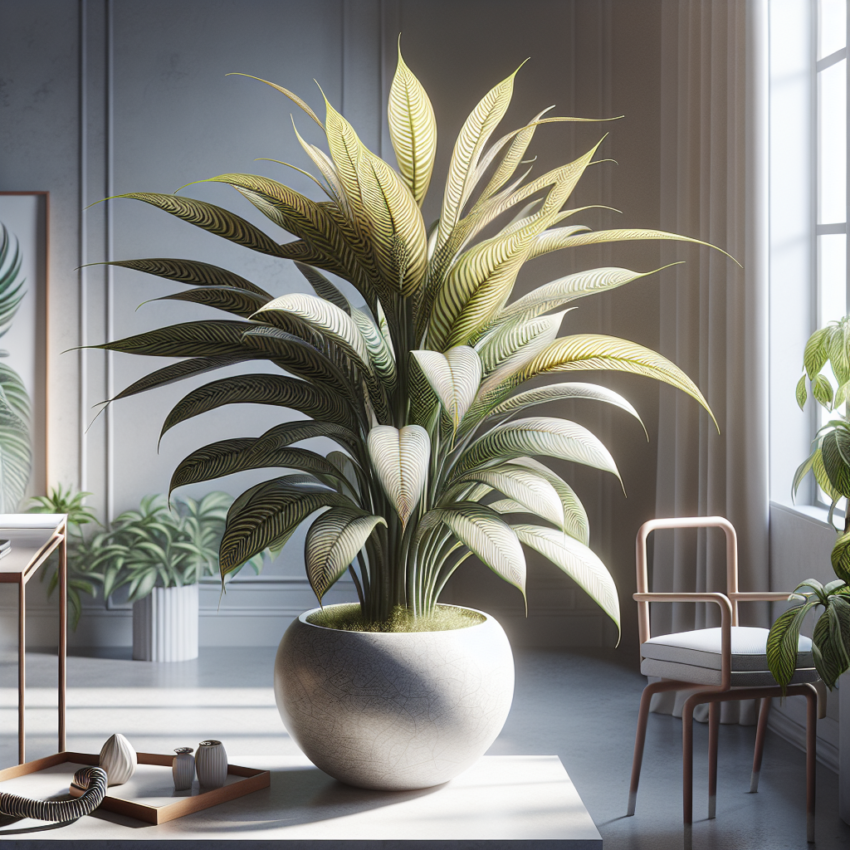
If you’ve been searching for a unique and vibrant addition to your indoor garden, look no further than the nerve plant. Known for its stunning foliage, the nerve plant can transform any space into a lush and lively environment. In this guide, we will explore the benefits, care tips, and considerations when adding a nerve plant to your home.
The Fascinating World of the Nerve Plant
The nerve plant, scientifically known as Fittonia albivenis, is a popular choice among houseplant enthusiasts. It’s celebrated for its striking appearance, with small leaves that boast intricate vein patterns in shades of pink, red, or white. This plant is native to the tropical rainforests of South America, giving it a preference for warm and humid conditions.
Nerve plants are best suited for indoor settings, making them an ideal choice for those looking to bring a touch of the tropics into their homes. Aside from their aesthetic appeal, they are also known to have air-purifying qualities, which contribute to a healthier indoor environment.
Benefits of Having a Nerve Plant in Your Space
The nerve plant offers several benefits beyond its visual appeal. Its air-purification properties help remove toxins from the air, contributing to better indoor air quality. This is especially beneficial in urban settings where air pollution can be a concern.
Furthermore, decorating with plants like the nerve plant can have a positive impact on mental well-being. Studies suggest that interacting with plants may reduce stress and improve mood. Including this vibrant plant in your home can create a peaceful and invigorating space.
How to Care for Your Nerve Plant
Caring for the nerve plant is relatively straightforward, but there are specific conditions to maintain for optimal growth. These plants thrive in environments with high humidity and indirect sunlight. They require a well-draining soil mix, often composed of peat moss and perlite, to prevent root rot.
Regular watering is crucial, but the plant should never be left sitting in waterlogged soil. Ensure that the top layer of soil dries out slightly between waterings. Additionally, consider misting the plant frequently to maintain humidity levels, particularly in drier climates.
If you’re interested in supplementing your home garden with plants that also offer potential health benefits, you might find our articles on natural remedies enlightening.
Common Challenges and Troubleshooting
Despite its low-maintenance reputation, the nerve plant can be prone to certain challenges. Common issues include drooping leaves or browning edges, usually caused by improper watering or low humidity levels.
To prevent these issues, ensure that your plant is in a location with stable temperature and humidity. Keep it away from cold drafts and hot radiators, which can stress the plant. Fertilize moderately during the growing season to keep it healthy and vibrant.
The Aesthetic Appeal and Placement Tips
The nerve plant’s vibrant colors make it a perfect piece for adding charm to any corner of your home. Consider placing it in areas like the bathroom or kitchen, where humidity levels tend to be higher.
This plant also pairs well with other tropical plants, creating a mini jungle effect in your living space. Mixing and matching different plant types can enhance the aesthetic without overwhelming the area.
Conclusion: Why the Nerve Plant?
Choosing the nerve plant for your home offers a combination of beauty and benefits. As you incorporate this striking plant into your interior, remember that its care is straightforward, provided you maintain the correct environmental conditions. For a deeper understanding of how indoor plants like the nerve plant contribute to wellness, check credible sources such as this article on health.
- Nerve plants boost indoor aesthetics with vibrant colors.
- They purify air, enhancing overall health.
- Optimal care requires humidity and indirect sunlight.
- Regular misting can prevent common care issues.
- Perfect for diverse interior decor themes.
What is a nerve plant?
A nerve plant, or Fittonia albivenis, is a popular houseplant known for its decorative foliage with vibrant vein patterns.
How do I care for a nerve plant?
Keep the nerve plant in a humid environment with indirect sunlight, water it regularly without waterlogging, and mist it frequently to maintain humidity.
Can the nerve plant improve indoor air quality?
Yes, the nerve plant can help purify the air, removing certain toxins and contributing to a healthier indoor space.
Where should I place my nerve plant?
Place your nerve plant in a bright spot with indirect sunlight, such as a bathroom or the kitchen, where it can thrive in humid conditions.
What are common problems with nerve plants?
Drooping or browning leaves can occur due to insufficient watering or low humidity. Ensure proper environmental conditions for healthy growth.