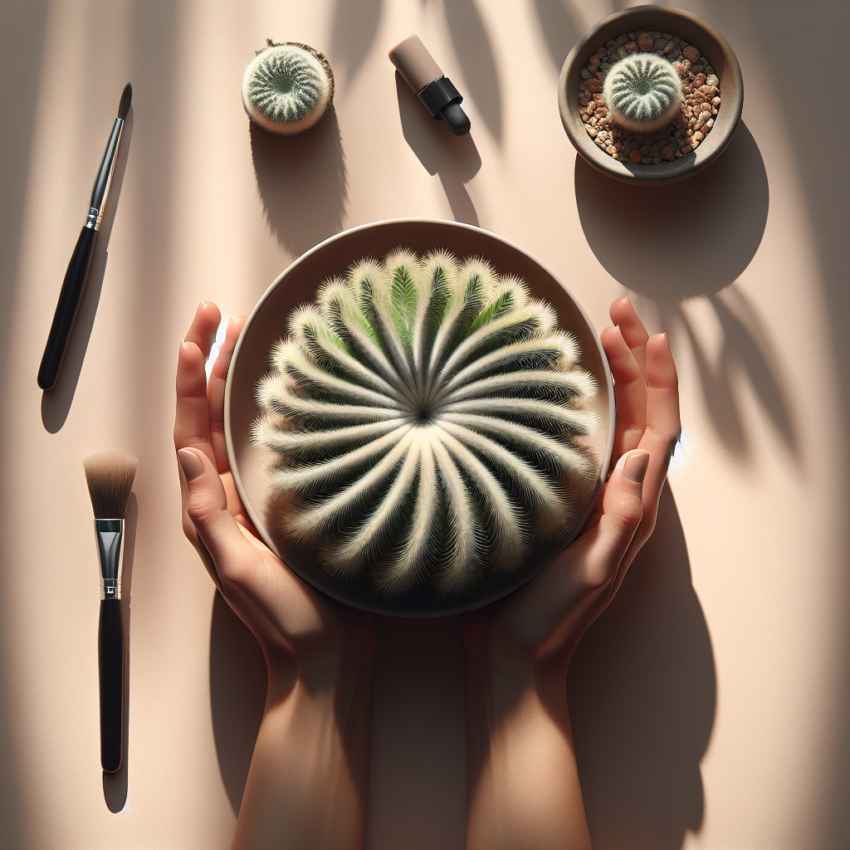
Have you ever considered adding a unique and eye-catching plant to your home or garden? The monkey tail cactus could be the perfect addition. This striking cactus, known for its long, trailing stems covered in soft, hair-like spines, offers a fascinating visual element to any space. Whether you’re an experienced gardener or a beginner plant enthusiast, the monkey tail cactus is sure to add an exotic touch, drawing attention and admiration.
Discovering the Monkey Tail Cactus
The monkey tail cactus, scientifically known as Cleistocactus colademononis, hails from the mountainous regions of Bolivia. It’s a distinctive species of cactus that’s recognized for its unusual appearance. Unlike traditional cacti, the monkey tail cactus boasts elongated, draping stems that can grow several feet long. These stems are covered in fine, white spines resembling soft hair, giving them a furry texture that is irresistible to touch, though caution is advised.
Why Choose a Monkey Tail Cactus?
The monkey tail cactus isn’t just a feast for the eyes; it’s relatively easy to care for, making it a popular choice for plant lovers seeking a low-maintenance yet visually impactful houseplant. Its adaptability to indoor conditions and minimal care requirements are notable advantages. When placed in a hanging basket or pot, the long stems cascade beautifully, creating an enchanting waterfall of greenery in your home.
Caring for Your Monkey Tail Cactus
Caring for a monkey tail cactus involves providing the right balance of sunlight, water, and temperature control to maintain its health. Here are some essential care tips:
- Sunlight: Position your cactus in a spot that receives bright, indirect sunlight. A south or east-facing window is optimal.
- Watering: Allow the soil to dry completely between waterings. Overwatering can lead to root rot, so it’s best to err on the side of caution.
- Temperature: Maintain a temperature between 60–75°F (15–24°C). The cactus can tolerate cooler temperatures but should be protected from frost.
- Soil: Use a well-draining cactus or succulent mix to prevent water retention.
Repotting and Propagation
The monkey tail cactus is relatively easy to propagate, making it an exciting option for those looking to expand their collection of cacti. Propagation is best done through stem cuttings:
- Propagate: Use a clean, sharp knife to cut a healthy stem segment. Allow the cut end to callous over for a week before planting it in a well-draining soil mix.
- Repotting: Repot your cactus every 2-3 years to refresh the soil and provide ample room for root growth. This is typically needed when the plant looks out of scale with its pot.
Designing Your Space with the Monkey Tail Cactus
Integrating a monkey tail cactus into your home decor can make a bold statement. Its trailing stems work well in hanging baskets, letting it tier gracefully over the sides. Alternatively, it can serve as a centerpiece on a well-lit shelf or table, adding lush texture and height to your space. Pair it with other cacti or succulents to create a dynamic array of shapes and colors.
If you’re intrigued by natural elements and looking to harmonize your environment, explore other ways to improve your living space with plants and techniques from [natural remedies](https://prblogs.org/natural-remedies-and-supplements-for-menopause-brain-fog/).
Pest and Disease Management
While the monkey tail cactus is generally resilient, it can still fall prey to common pests such as mealybugs or spider mites. These can be treated with neem oil or insecticidal soap. Keeping your cactus in optimal conditions with good airflow and avoiding excessive humidity can prevent most issues. Additionally, adhere to proper watering practices to avert fungal diseases.
For more information on plant care and related health benefits, you might refer to [this comprehensive resource](https://en.wikipedia.org/wiki/Health).
In conclusion, the monkey tail cactus offers a unique combination of beauty and ease of care that makes it an ideal choice for both novice and seasoned gardeners. Its distinctive appearance not only enhances your living space but also serves as a captivating conversation piece. Whether cascading over a hanging basket or accenting a tabletop, the monkey tail cactus is a stunning addition to any plant collection.
- The monkey tail cactus originates from Bolivia and is noted for its distinctive, furry, trailing stems.
- It requires bright, indirect light and careful watering to thrive.
- Propagation is easy, making it ideal for plant enthusiasts looking to expand their collection.
- Pest management generally involves addressing common pests like mealybugs.
- Its aesthetic appeal makes it perfect for hanging baskets or as a decorative centerpiece.
What is a monkey tail cactus?
The monkey tail cactus is a unique species of cactus known for its long, trailing stems covered in soft, hair-like spines. Its botanical name is Cleistocactus colademononis.
How do I take care of a monkey tail cactus?
To care for a monkey tail cactus, provide bright, indirect sunlight, water sparingly allowing the soil to dry out between waterings, and maintain moderate indoor temperatures. Use well-draining soil for optimal growth.
Can I propagate a monkey tail cactus?
Yes, propagating a monkey tail cactus is straightforward. Simply take stem cuttings, let them callous for about a week, and plant them in well-draining soil.
What are common problems with monkey tail cacti?
Common issues may include pests such as mealybugs or spider mites and root rot from overwatering. These can be managed with proper care and preventive measures.
Where can I use a monkey tail cactus in home decor?
A monkey tail cactus is versatile for home decor, thriving in hanging baskets or pots where its long stems can cascade elegantly. It can also be used as a centerpiece or part of a larger plant display.