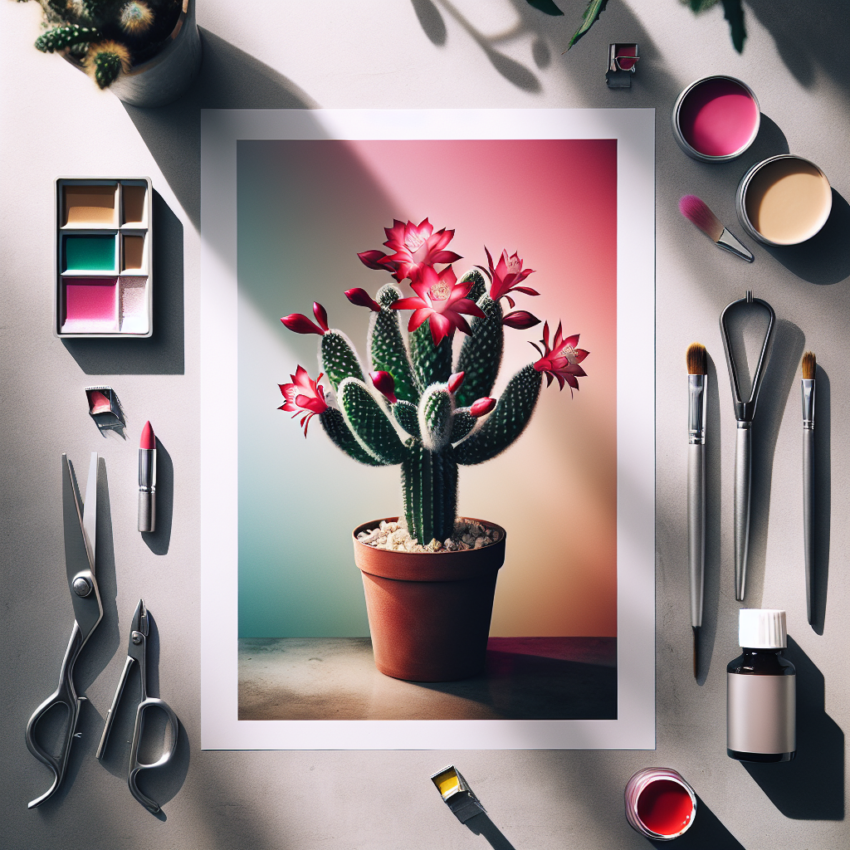
Caring for a Christmas cactus can bring vibrant blooms and a touch of greenery into your winter decor. This delightful plant, native to Brazil, is a popular holiday houseplant. It thrives indoors with the right conditions, making it perfect for anyone looking to brighten up their home during the colder months. In this guide, we will provide you with essential tips on Christmas cactus care to ensure your plant flourishes year after year.
Key Aspects of Christmas Cactus Care
To achieve a healthy and blooming Christmas cactus, it’s essential to understand and provide the specific needs of this plant. Below, we break down these requirements into manageable steps.
Understanding Light Requirements
Christmas cacti differ from desert cacti as they prefer indirect light. Direct sunlight can scorch their leaves, while insufficient light can lead to poor blooming. Position your cactus near a north or east-facing window for optimal exposure to natural light. During the summer, consider placing it outdoors in a shaded area to benefit from fresh air, but remember to bring it inside before temperatures drop.
Proper Watering Techniques
Watering is a critical aspect of Christmas cactus care. The plant requires a well-draining potting mix; overwatering or soggy soil can lead to root rot. Water your cactus thoroughly, allowing excess moisture to drain, and only do so when the top inch of soil feels dry to the touch. Reduce watering frequency in the autumn when preparing the plant for the bloom cycle.
Temperature and Humidity Considerations
Christmas cacti prefer mild temperatures between 60-70°F (15-21°C). They thrive in a humid environment, reminiscent of their native tropical habitat. During the blooming period, avoid placing the plant near drafts, heat vents, or cold windowsills. If your home is dry, consider using a humidity tray or a room humidifier to maintain adequate moisture levels in the air.
Nurturing with Fertilizer
During the growing season in spring and summer, feeding your Christmas cactus with a diluted liquid fertilizer can support its health. Use a balanced, water-soluble fertilizer every two to four weeks. Refrain from fertilizing during the autumn and winter months as the plant prepares for dormancy and bloom cycles.
Pruning and Repotting
Pruning helps maintain a balanced shape and encourages more branching, resulting in more blooms. Trim back a few sections after flowering using sterile pruning shears. Repot your Christmas cactus every two to three years, preferably in spring, using fresh potting soil. Ensure the new pot provides adequate drainage.
Encouraging Blooms
For your Christmas cactus to bloom, it needs uninterrupted darkness for at least 12-14 hours at night, starting around October. This period of darkness and reduced watering signals the plant to form buds. Environmental cues, such as cooler temperatures and decreased light exposure, are natural indicators for the plant to initiate blooming.
For those interested in incorporating more creative decor elements into their homes, consider checking out decorating with vintage maps. It’s a timeless trend that pairs beautifully with the vibrant greens and reds of the Christmas cactus.
Conclusion on Successful Christmas Cactus Care
Successfully nurturing your Christmas cactus involves understanding its specific needs, from light and temperature to watering and feeding. By following these care tips, you will be rewarded with its stunning blooms in time for the holiday season. Embrace the joy of cultivating this special plant and the warmth it brings to your home each year.
- Provide indirect light and humidity for optimal growth.
- Allow the soil to dry out between waterings to prevent root rot.
- Maintain moderate temperatures and avoid drafts.
- Use suitable fertilizers during the growing season.
- Encourage blooming with extended periods of darkness in the fall.
Frequently Asked Questions
How often should I water my Christmas cactus?
Water your Christmas cactus when the top inch of soil feels dry. Reduce watering in the fall to encourage blooming.
What should I do if my cactus is not blooming?
Ensure the plant receives enough darkness in the fall and that it isn’t exposed to cold drafts. Adjusting light and temperature conditions can help stimulate blooming.
Can I keep my Christmas cactus outside?
While your Christmas cactus can benefit from being outdoors in a shaded area during warmer months, it should be brought inside before the temperature drops.
Why are the leaves on my Christmas cactus limp?
Limp leaves can indicate either overwatering or insufficient watering. Check the soil moisture and adjust your watering schedule accordingly.
What type of potting soil is best for Christmas cactus?
Use a well-draining potting mix, such as one designed for succulents or make your own blend of potting soil, perlite, and sand to enhance drainage.
For more general horticultural information, you can explore Wikipedia’s horticulture page.