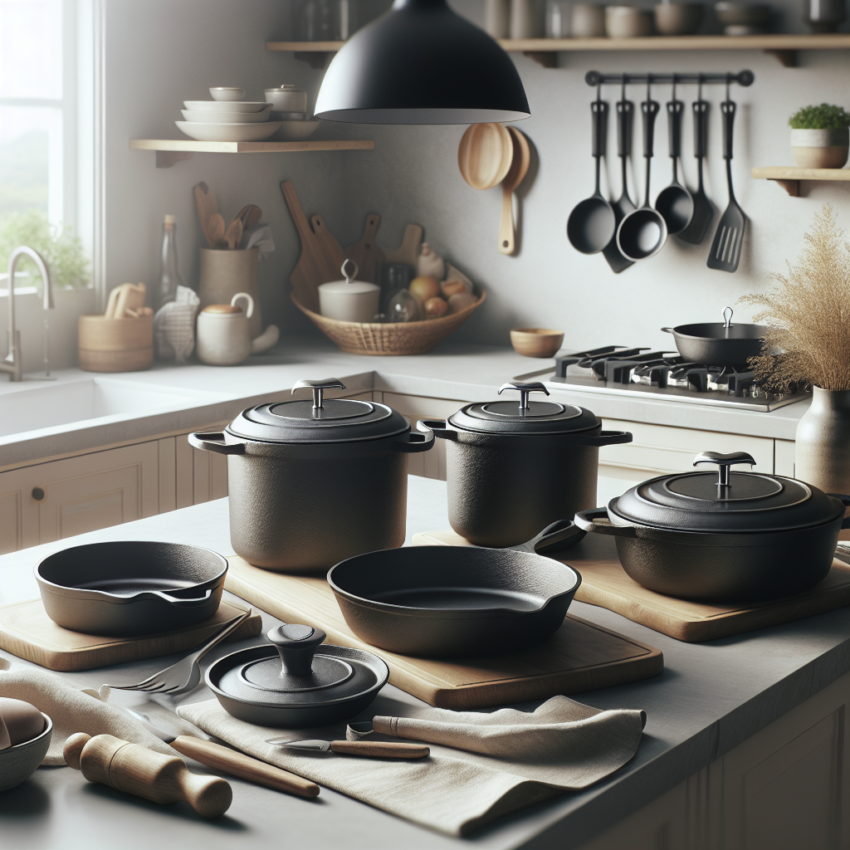
When it comes to enhancing your culinary skills and kitchen efficiency, knowing how to season iron cast cookware can be a game-changer. This process not only protects your pans from rust but also adds a non-stick layer that enhances cooking performance. Seasoning your cookware is an essential step for anyone serious about their kitchen endeavors, from professional chefs to home cooks alike.
How to Season Iron Cast Cookware Properly
Seasoning iron cast cookware begins with selecting the right oil. Choose oils with high smoke points like canola, grapeseed, or flaxseed oil. These oils bond with the iron and create a protective coating when heated. Start by washing your cookware in warm, soapy water to remove any residue from the manufacturing process.
Once clean, thoroughly dry the cookware using a towel or by placing it over a stovetop burner on low heat. Apply a thin layer of oil to the entire surface, using a cloth or paper towel to ensure even distribution. Bake the cookware in an oven heated to around 375°F for about an hour, allowing the oil to polymerize, which builds a resilient, non-stick surface.
Benefits of Season Iron Cast Cookware
One of the most notable benefits of properly seasoned iron cast pans is their natural non-stick abilities. Over time, as layers of seasoning build up, food is less likely to stick to the surface. This advantage is particularly beneficial for frying and baking a variety of dishes.
Additionally, properly seasoned pans can contribute to enhanced flavors in your cooking. With regular use, a seasoned pan can add depth and richness to your dishes that non-seasoned pans might not provide.
Maintaining Your Seasoned Cookware
Maintaining your seasoned cookware involves regular cleaning and re-seasoning to preserve the coating. Always clean with hot water and a stiff brush immediately after use, avoiding soap if possible. Residue and food particles should be removed while taking care to leave the seasoning intact.
If you notice that food begins to stick or the surface appears dull, this might be a sign that your cookware needs reseasoning. Simply repeat the seasoning process to refresh the layer and restore its non-stick properties.
Why Choose Iron Cast Cookware?
Beyond the seasoning benefits, iron cast cookware is renowned for its durability and heat retention. Perfect for slow-cooked dishes, grilling, and baking, their heavy wall construction ensures even heat distribution, leading to superior cooking results.
Moreover, iron cast cookware offers versatility in cooking methods. It is suitable for use on a variety of heat sources, including stovetops, ovens, and even outdoor grills. This adaptability makes it a valuable addition to any kitchen setup.
Additionally, as iron cast cookware heats evenly, it can help preserve the nutritional qualities of food. This can be particularly beneficial when considering effective kitchen management methods to keep your family healthy.
Environmental and Economic Considerations
Season iron cast cookware is an excellent choice for those looking to make environmentally conscious choices in the kitchen. Unlike non-stick pans with Teflon coatings that can wear out and emit harmful substances, iron cast is a sustainable option that lasts for generations if properly cared for.
Economically, their longevity means you’ll save money in the long run. With the right maintenance, these pans can replace several sets of non-stick pans over a lifetime, making them a cost-effective investment for serious cooking enthusiasts.
Season Iron Cast: A Kitchen Game-Changer
Whether you’re a seasoned chef or just beginning your cooking journey, understanding how to season iron cast cookware can profoundly impact your culinary success. By investing the time in properly maintaining your equipment, you’ll enjoy superior flavors and cooking experiences that less equipped kitchens might miss out on. To learn more about the many impacts of kitchen choices on overall health, check out additional resources like this article on health.
- Seasoning creates a natural non-stick surface.
- Proper maintenance can drastically extend the cookware’s lifespan.
- Iron cast cookware provides even heating and durability.
- An environmentally friendly and cost-effective option.
- Enhances flavor over repeated use.
What oil should I use to season iron cast cookware?
Opt for oils with high smoke points such as canola, grapeseed, or flaxseed oil for the best results.
How often should I season my iron cast cookware?
This depends on frequency of use and how well the cookware maintains its non-stick qualities. Once every few months is a good general guideline.
Can I use soap to clean my seasoned cookware?
It is best to avoid soap to preserve the seasoning; instead, use hot water and a stiff brush to clean your pan.
Is iron cast cookware safe for use on glass stovetops?
Yes, but it should be used with care due to its weight, which can scratch or crack glass surfaces if dropped.
Can I use iron cast cookware in the oven?
Absolutely! Iron cast cookware is oven-safe, making it ideal for recipes requiring a transfer from stovetop to oven.