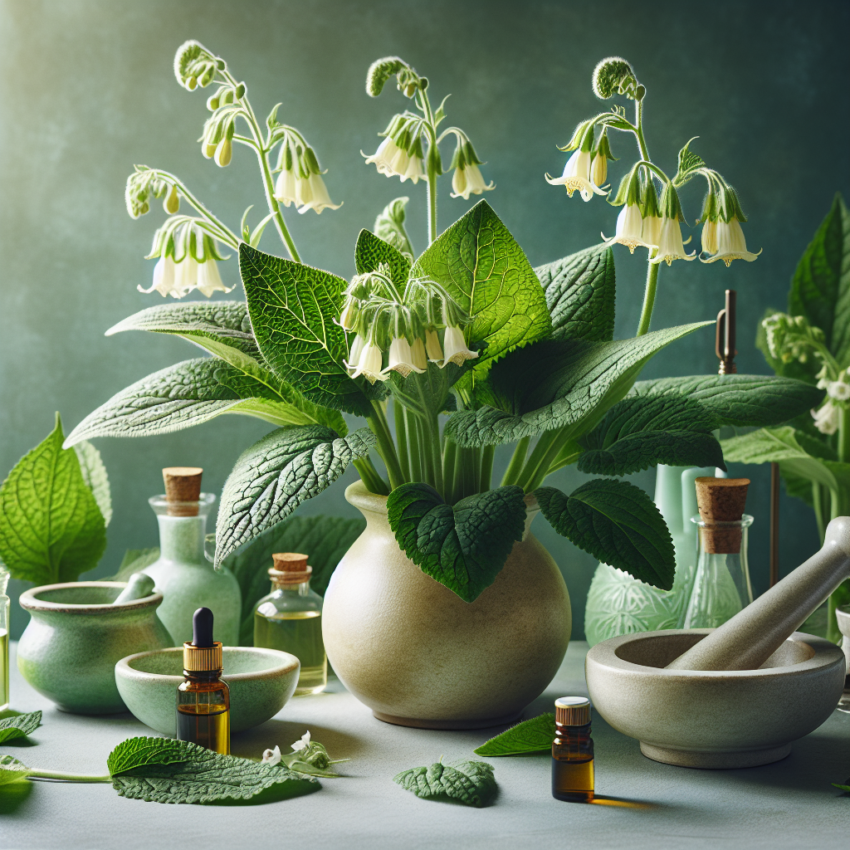
The comfrey plant, a treasured botanical in natural medicine, has been utilized for centuries. Known for its purple bell-shaped flowers and large, hairy leaves, comfrey is a staple in herbal practices worldwide. This article explores the healing secrets of the comfrey plant, delving into its traditional uses and potential benefits for well-being. Whether you’re new to herbal remedies or looking for natural ways to support your health, comfrey may offer some intriguing possibilities.
The Benefits of Comfrey Plant
The comfrey plant has long been valued for its emollient properties and is known to help soothe skin irritation and promote wound healing. Historically, comfrey has been applied topically to support skin regeneration due to its high mucilage content and allantoin, known for promoting cell growth. While traditionally used for skin health, comfrey’s potential uses extend beyond topical applications to possibly aiding bone health and joint discomfort when used correctly.
It’s crucial to note that while comfrey may offer various benefits, it contains compounds called pyrrolizidine alkaloids (PAs) that can be toxic if ingested. Consequently, most modern uses of comfrey focus on external applications, underlining the importance of cautious use and professional guidance.
How Comfrey is Used
Comfrey can be found in various products like creams, ointments, and herbal compresses, specifically designed for external use. These products are often applied to bruises, sprains, and other skin concerns. Due to its potential to support bone and muscle health, comfrey is sometimes referred to as “knitbone” or “boneset,” reflecting its traditional application in aiding recovery from fractures.
For those interested in integrating comfrey into their wellness routine, it may be paired with other natural remedies and supplements like those used for addressing menopause symptoms or supporting overall health.
Precautions and Considerations
When considering comfrey for therapeutic use, it’s vital to prioritize safety. Experts strongly recommend using comfrey products only under professional supervision, especially for longer durations. Comfrey should not be used on broken skin or ingestible forms meant for internal use without expert oversight due to the liver-harming potential of pyrrolizidine alkaloids.
As with any herbal treatment, it’s advisable to consult with a healthcare provider, particularly if you’re pregnant, nursing, have existing health conditions, or are taking medications. Understanding the limits and proper uses of comfrey helps ensure you gain its benefits while minimizing risks.
Research and Future Insights
Recent studies continue to investigate comfrey’s therapeutic potential, particularly its role in skin healing and musculoskeletal support. Despite a historic reputation, clinical backing is essential for broader acceptance in contemporary medicine. Modern scientific inquiry may provide further insights and refined applications, potentially opening new avenues for comfrey in health and wellness.
For comprehensive background and details on the properties and history of comfrey, this Wikipedia page on health provides valuable insights into the broader context of using botanicals for wellness.
As with many traditional plants, informed usage of comfrey, complemented by scientific research, may unlock further aspects of its healing potential. Embracing a balanced approach ensures that you reap maximum benefits from this fascinating plant.
- The comfrey plant is primarily used for external skin applications.
- It contains healing compounds like mucilage and allantoin.
- Ingestion of comfrey poses risks due to pyrrolizidine alkaloids.
- Consult healthcare professionals for safe use of comfrey products.
- Ongoing research may expand its therapeutic applications.
What are the primary uses of the comfrey plant?
Comfrey is mainly used externally in ointments and creams to promote skin healing, support joint and bone health, and alleviate muscle discomfort.
Is it safe to consume comfrey?
No, consuming comfrey is not recommended due to its pyrrolizidine alkaloids, which can be toxic to the liver. It should only be used externally under guidance.
How should comfrey be applied?
Comfrey should be applied topically in cream or ointment form, avoiding broken skin, and discontinued if irritation occurs or as advised by a health provider.
Can comfrey be used along with other natural remedies?
Yes, comfrey is often used in conjunction with other natural remedies, as long as professional guidance is followed to ensure safety and efficacy.
What is being studied about comfrey for future health applications?
Research is focusing on comfrey’s potential in dermatology and orthopedics, exploring its efficacy in treating skin conditions and aiding bone and joint health.