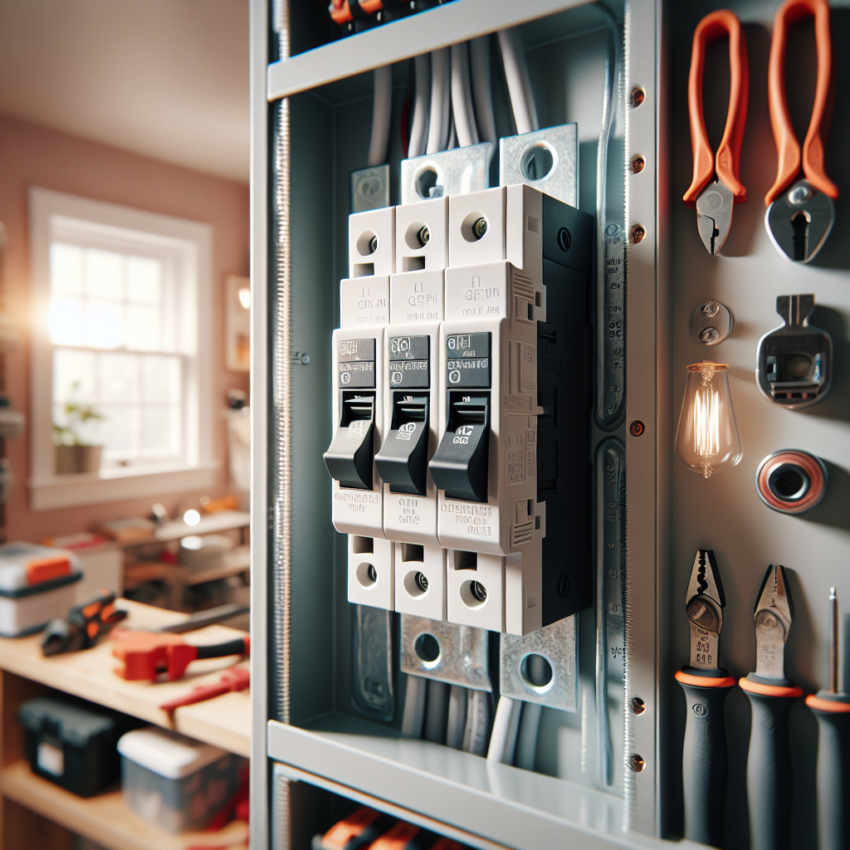
When it comes to home safety, installing a GFCI breaker is crucial to protect you and your family from electrical hazards. The GFCI (Ground Fault Circuit Interrupter) breaker is designed to cut off electrical power to a circuit when it detects an imbalance between outgoing and incoming current, which can occur during a ground fault. This proactive measure is essential in areas prone to moisture, such as kitchens, bathrooms, and outdoor spaces.
The Importance of Choosing the Right GFCI Breaker
Having the correct GFCI breaker in your home is vital for both safety and compliance with electrical codes. Not only does it help to prevent shocks and potential fires, but it also ensures your home’s wiring system meets current standards. Choosing the right breaker can make a significant difference in the home’s overall electrical safety.
Understanding How GFCI Breakers Work
GFCI breakers are specially designed to monitor electrical flow within a circuit. In the event of a ground fault, the breaker detects the discrepancy and interrupts the circuit, preventing any potential harm. This feature is particularly important in environments where water and electricity may come into contact, mitigating the risk of severe electric shocks.
Why Upgrade to a GFCI Breaker?
Older homes may not include updated electrical safety features. Upgrading to a GFCI breaker means adding a layer of protection that can safeguard against accidental electrical shocks. These breakers are recommended by various safety councils for the preventive measures they offer.
Challenges in Installing GFCI Breakers
Though installing a GFCI breaker adds protection, the process involves navigating specific challenges, such as determining the correct type and rating for your existing electrical setup. Consulting with a professional electrician can ensure the installation is done correctly, adhering to all safety codes and requirements.
Where to Install GFCI Breakers in Your Home
For optimal safety, GFCI breakers should be installed in locations where electricity risks are highest. This includes but is not limited to bathrooms, kitchens, garages, and outdoor circuits. Ensuring these areas are protected can vastly reduce accident risks.
For more ideas on home safety and improvements, visit our article on natural remedies that can enhance overall living experiences.
Benefits of a GFCI Breaker
GFCI breakers offer numerous benefits beyond preventing electrical shocks. They add an extra layer of safety by detecting faulty appliances and can alert homeowners to underlying issues within their wiring systems. This preventive capability often leads to early interventions, minimizing further damage or repair costs.
The Economic Advantages of Installing GFCI Breakers
Beyond safety, installing GFCI breakers can be economically beneficial. They may help reduce insurance premiums due to the added safety they provide, and they’re considered an attractive feature for potential home buyers, who see upgraded electrical systems as valuable additions.
Choosing the Right GFCI Breaker for Your Needs
Selecting the appropriate GFCI breaker involves considering factors like amperage, voltage, and space constraints within the electrical panel. Consulting with a knowledgeable electrician ensures these considerations are met and the installation aligns with local regulations.
Further, to learn about electrical safety and GFCI breakers, consider reading this comprehensive source on health safety practices.
Final Thoughts on GFCI Breakers
Investing in a GFCI breaker is a smart decision for enhancing the safety of your home. By integrating this technology, you protect against potential electrical hazards and adhere to modern safety standards. Considering the critical role these breakers play, it’s advisable to consult professionals to choose and install the right GFCI breaker for your home.
- A GFCI breaker protects against electrical shocks by detecting ground faults.
- These breakers are essential in moisture-prone areas like kitchens and bathrooms.
- Upgrading to a GFCI breaker can reduce potential shock and fire hazards.
- Consult a professional to ensure proper selection and installation.
- Proper installation can also offer economic benefits like reduced insurance premiums.
What is a GFCI breaker?
A GFCI breaker stands for Ground Fault Circuit Interrupter breaker. It is a safety device designed to protect against electrical shock by interrupting a circuit when it detects an imbalance in electrical current.
Why should I install a GFCI breaker in my home?
Installing a GFCI breaker is important for preventing electrical shocks and potential fire hazards, particularly in areas where water and electricity might come into contact.
Where should GFCI breakers be installed?
GFCI breakers should be installed in areas with high moisture and electrical risks, like kitchens, bathrooms, garages, and outdoor circuits.
Can I install a GFCI breaker myself?
While it’s possible for someone with electrical expertise to install a GFCI breaker, it is recommended to hire a professional electrician to ensure proper selection, installation, and compliance with electrical codes.
What are the benefits of upgrading to a GFCI breaker?
Upgrading to a GFCI breaker can improve safety by preventing shocks and electrical fires, may reduce insurance rates, and is often seen as a valuable home improvement feature by buyers.