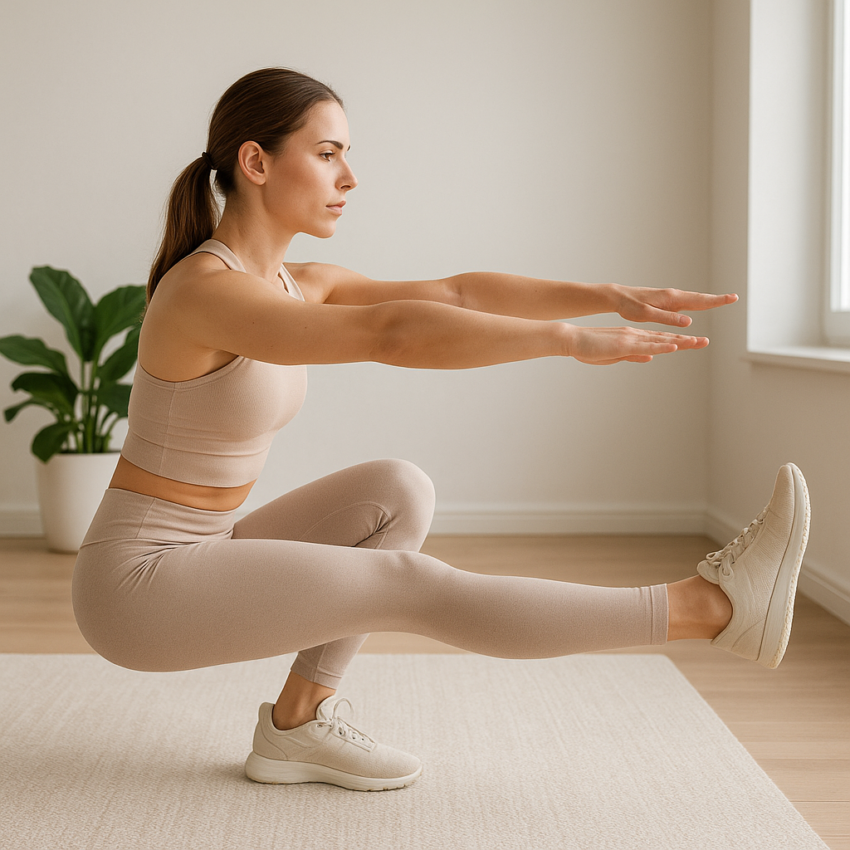
Mastering the pistol squat is a challenging yet rewarding exercise that can significantly boost your strength, flexibility, and balance. Unlike other leg workouts, this single-leg squat variation requires exceptional control and coordination. Whether you’re an athlete looking to enhance your performance or a fitness enthusiast aiming to diversify your workout routine, the pistol squat offers numerous benefits and can be a valuable addition to your regimen.
Why You Should Include the Pistol Squat in Your Workout Routine
The pistol squat’s effectiveness lies in its demand for unilateral strength, meaning each side of the body works independently. This dynamic ultimately leads to better muscular balance and functional strength. Adding it to your routine can help in correcting muscle imbalances, enhancing core stability, and increasing leg strength.
The Mechanics of a Perfect Pistol Squat
Executing a pistol squat correctly requires more than just strength; it also needs balance, flexibility, and coordination. To perform this exercise, stand on one leg while extending the other leg forward. Slowly lower your body into a squat position while keeping the extended leg off the ground. Pause briefly at the bottom and then drive up to the starting position.
Focus on maintaining a straight back, engaging your core, and keeping your supporting knee stable. Proper form is crucial to prevent injuries and to maximize the benefits of this workout.
Progressions to Master the Pistol Squat
If you’re new to the pistol squat or need to build strength, consider using progressions. Start with assisted versions using a resistance band or a chair for support. Gradually progress to unassisted squats as strength and balance improve. Additionally, practicing exercises like split squats or lunges can provide the foundational strength necessary for pistol squats.
Benefits Beyond the Gym
Pistol squats don’t just enhance your physical capabilities; they also offer mental benefits by requiring focus and determination to master. The discipline and patience learned through perfecting this exercise can translate to other areas of life, fostering a mindset of resilience and perseverance.
Additionally, the balance and coordination developed through regular practice can help in everyday activities, reducing the risk of falls and enhancing overall mobility.
Considerations and Safety Tips
While the pistol squat is a fantastic exercise, it’s vital to proceed with caution and listen to your body. Overexertion or poor form can lead to injuries, particularly in the knees or lower back. It’s advisable to consult with a trainer if you’re unsure about your technique.
Avoid attempting the pistol squat on uneven surfaces or with heavy weights until you’re entirely comfortable with the movement. Regular stretching and flexibility exercises can also aid in preparing your body for this workout.
For more information on safe workout practices and enhancing muscle growth, visit this health resource.
Unleashing the Power of the Pistol Squat in Your Fitness Journey
Incorporating the pistol squat into your fitness routine can lead to incredible improvements in strength, balance, and coordination. This powerful exercise highlights the importance of unilateral training and can help athletes and fitness enthusiasts push beyond their limits. Remember, progression and patience are key elements in mastering this challenging move.
- The pistol squat enhances strength, balance, and flexibility.
- Proper technique is crucial to prevent injury.
- Progressions and support can aid in mastering the movement.
- It promotes mental resilience and focus.
- Consult professionals for personalized advice and guidance.
FAQs
What is a pistol squat?
A pistol squat is a challenging unilateral exercise requiring balance, strength, and coordination, performed by squatting on one leg while extending the other leg forward.
Who should perform pistol squats?
Pistol squats are suitable for individuals seeking to enhance lower body strength, balance, and coordination, but they should be performed with caution by beginners or those with existing injuries.
How can I improve my pistol squat technique?
Focus on proper form, use progressions, practice balance and strength exercises like lunges, and ensure adequate flexibility through stretching.
Can pistol squats prevent injuries?
While they can enhance balance and coordination, reducing the risk of falls, improper technique can lead to injuries. Safety and proper form are critical.
How often should I incorporate pistol squats into my routine?
Incorporate them gradually, starting with twice weekly, allowing muscles to recover between sessions for optimal improvement and safety.