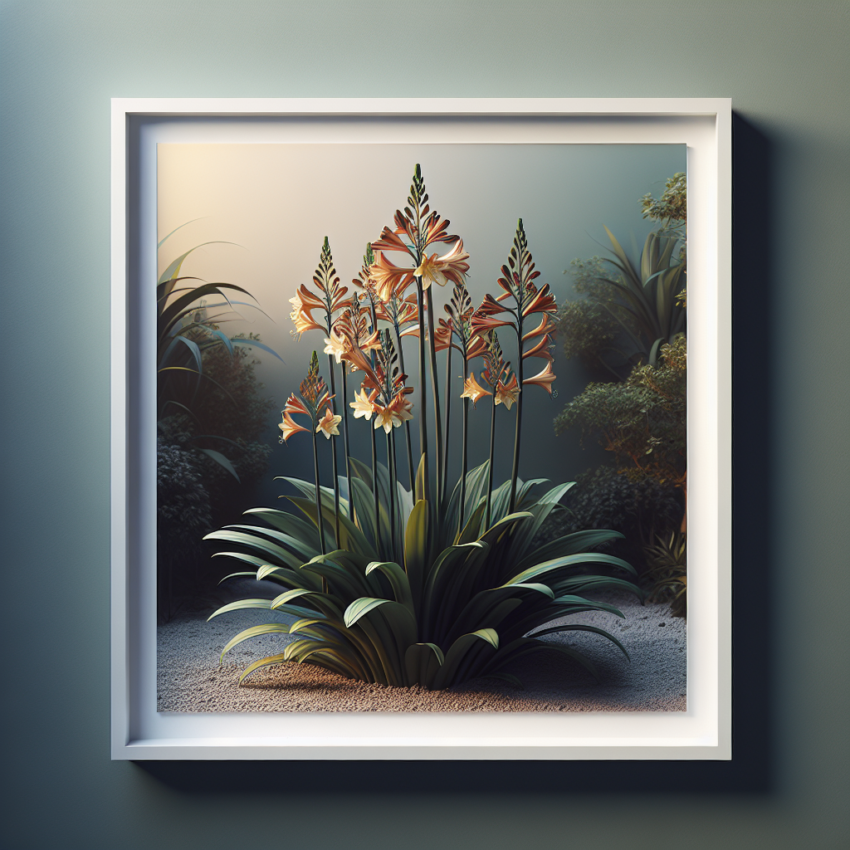
Inca lily plants, also known as Alstroemeria, are an exquisite addition to any home garden, offering not only aesthetic beauty with their vibrant blooms but also practical benefits. These perennials are known for their hardiness and long-lasting flowers, making them a favorite among garden enthusiasts. If you’re looking to add a splash of color and elegance to your garden, understanding the ins and outs of cultivating inca lily plants can be incredibly rewarding.
The Charm of Inca Lily Plants
Inca lily plants are renowned for their dazzling, lily-like flowers that come in a variety of colors—from brilliant oranges and pinks to mellow yellows and whites. These blooms can last several weeks, providing an ongoing source of color and interest. Besides their beauty, inca lilies are also practical as cutting flowers, remaining fresh in vases for a significant period.
Ideal Growing Conditions
To thrive, inca lily plants require specific growing conditions. They prefer well-drained soil enriched with organic matter. Ideally, plant them in an area that receives full morning sun but is sheltered from the harsh afternoon heat. Adequate watering is essential, especially during the growing season, as inca lilies benefit from consistent moisture but not soggy conditions.
For those interested in efficient garden management, proper irrigation can significantly impact the success of your inca lily plants. Consider exploring different irrigation installation systems to ensure your plants receive the right amount of water.
Propagation and Maintenance
Propagating inca lily plants can be done through division. This method involves carefully separating the tuberous roots during the dormant season, ensuring each section has at least one healthy shoot. This will help in expanding your garden’s beauty without the need for additional plants.
Regular maintenance involves removing spent blooms to encourage more flowering and cutting back foliage after blooming to keep the plants tidy. Fertilize them regularly during the growing season to provide essential nutrients, which will promote vibrant blooms and robust growth.
Pest and Disease Considerations
Like any other plant, inca lily plants are susceptible to pests and diseases. Common issues include aphids, slugs, and fungal diseases. Regularly inspect your plants, and take preventative measures such as using natural repellents or introducing beneficial insects that can control pest populations. Providing good air circulation and ensuring the foliage is dry can help prevent diseases.
The Versatility of Inca Lily Plants in Design
Inca lily plants offer versatility not only in gardens but also in floral arrangements and landscaping. Their long, elegant stems make them ideal for bouquets and centerpieces. They can be combined with other perennials or annuals to create a stunning display that changes through the seasons.
Their resilience and adaptability can make them a staple in various garden styles, whether you prefer a formal, structured garden or a wild, cottage feel. The myriad of colors available allows for endless creativity and personal expression.
For additional information on the cultural and botanical significance of the inca lily plant, check this detailed article on Wikipedia.
Final Thoughts on Caring for Inca Lily Plants
Caring for inca lily plants in your home garden can be a rewarding experience. These plants not only enhance the beauty of your outdoor space but also offer blooms that last, making them both practical and decorative. Incorporate these vibrant flowers into your garden to enjoy their spectacular visual display season after season.
- Inca lily plants add vibrant color and long-lasting beauty to gardens.
- They thrive in well-drained soil and require regular watering.
- Propagation is best done through root division in the dormant season.
- Regular maintenance is crucial to promote blooming and prevent disease.
- Their versatility makes them suitable for various garden layouts and bouquets.
What are the ideal growing conditions for Inca lily plants?
Inca lily plants thrive in well-drained soil with plenty of organic material. They require full morning sun but should be protected from harsh afternoon heat. Consistent moisture without waterlogged conditions is key.
How can I prevent pests and diseases on my Inca lily plants?
Regularly check your plants for pests such as aphids and slugs. Use natural repellents and introduce beneficial insects to control pest populations. Ensure good air circulation around the plants to prevent fungal diseases.
Can Inca lily plants be grown in containers?
Yes, inca lily plants can be grown in containers. Ensure the pots have adequate drainage and use a high-quality potting mix. Regular watering and fertilization will promote healthy growth and blooms.
What is the best method for propagating Inca lily plants?
The best method for propagating inca lily plants is through division. This should be done during the dormant season by separating the tuberous roots and ensuring each division has a healthy shoot.
Are Inca lily plants suitable for all garden styles?
Yes, their adaptability and range of colors make inca lily plants suitable for various garden styles, from formal landscapes to informal, cottage-style gardens.