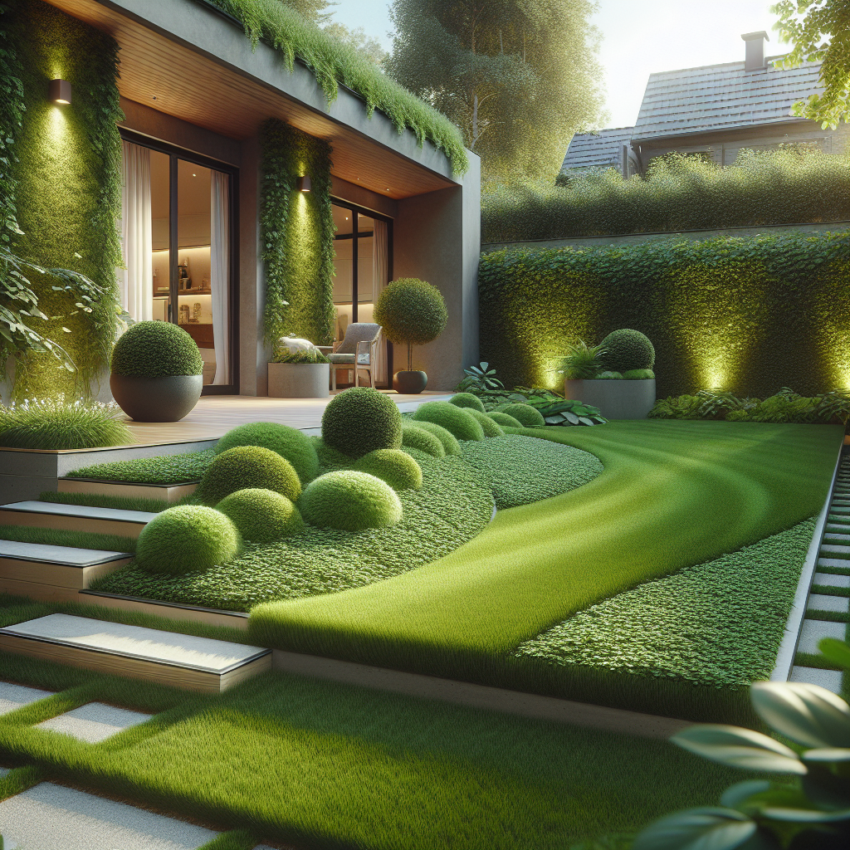
A growing number of homeowners are opting for a clover lawn as an alternative to traditional grass. This eco-friendly option offers a lush, green appearance and comes with several environmental benefits. By choosing clover, you’re not only creating a beautiful outdoor space but also enhancing biodiversity and reducing the need for fertilizers and pesticides.
Why Choose a Clover Lawn?
Clover lawns are gaining popularity due to their many advantages. Clover plants are nitrogen-fixing, meaning they naturally enrich the soil, reducing the need for chemical fertilizers. Additionally, clover requires less mowing and watering compared to traditional grass, making it a low-maintenance option for homeowners.
The aesthetic appeal of clover is another reason it is favored by many. It has a soft texture and stays green even during dry periods, unlike regular grass that may turn brown. Furthermore, clover can withstand heavy foot traffic, making it an ideal choice for families with children and pets.
Benefits of Clover Grass
Clover grass is drought-resistant, meaning it can survive with less water than traditional grass. This feature makes it an excellent choice for areas prone to water restrictions. By choosing clover, you also contribute to the environment, as it promotes soil health and minimizes erosion.
Furthermore, a clover lawn supports a diverse ecosystem, attracting bees and other pollinators. This not only benefits local biodiversity but also enhances the garden’s overall health. Clover’s natural resistance to diseases and pests means less reliance on chemical treatments, promoting a healthier outdoor environment.
How to Plant a Clover Lawn
Planting a clover lawn is a straightforward process that can be accomplished easily with a little preparation. Begin by selecting the right variety of clover for your region, such as Dutch White Clover or Micro Clover, which are popular choices for lawns.
Preparing the soil is crucial. Ensure it is free from weeds and rocks, and consider adding organic matter to improve fertility. Clover seeds are best sown in early spring or fall when the soil is warm and moist. Lightly rake the seeded area to ensure good seed-soil contact, then water gently to promote germination.
Maintaining Your Clover Lawn
Clover lawns require minimal maintenance compared to traditional grass lawns. Occasional mowing is necessary, but keep it to a height of at least 3 inches to allow clover to thrive. Water sparingly, as clover can survive dry conditions once established.
For those concerned about creating the perfect irrigation system, consider consulting this detailed guide on irrigation installation systems. Remember to keep the lawn free of unnecessary fertilization, as clover enhances its soil naturally.
Regularly inspect your lawn for pests, although clover’s natural resilience means this is rarely an issue. Keeping foot traffic to defined pathways can also help maintain the lawn’s condition over time.
Clover Lawn: A Sustainable Choice
A clover lawn offers numerous ecological and aesthetic advantages, making it a sustainable choice for any homeowner seeking a more environmentally friendly lawn alternative. With the ability to naturally improve soil health and attract beneficial pollinators, clover is a rewarding option.
Investing in a clover lawn is not only about achieving a lush and verdant outdoor space but also contributing positively to the environment. For more information, read about clover lawn benefits on Wikipedia’s page on legumes, which discusses the plant’s ability to fix nitrogen and other advantages.
Takeaways
- Clover lawns require less water and are drought-resistant.
- They enhance biodiversity and attract pollinators.
- Clover naturally enriches the soil, reducing fertilization needs.
- These lawns are low-maintenance and eco-friendly.
- A clover lawn provides an attractive, green appearance with less effort.
FAQ
What is the best time to plant a clover lawn?
The best time to plant a clover lawn is in early spring or fall, when the soil is warm and moist, promoting successful germination.
Does clover require a lot of water?
No, clover is drought-resistant once established and requires less water than traditional grass lawns, making it an ideal choice for areas with water restrictions.
Will a clover lawn attract bees?
Yes, clover flowers attract bees and other pollinators, contributing to a healthy and biodiverse garden ecosystem.
Can clover lawns handle foot traffic?
Yes, clover lawns can generally withstand foot traffic, making them suitable for families with children and pets.
Do I need to fertilize a clover lawn?
Clover lawns do not require regular fertilization as clover is a nitrogen-fixing plant that naturally enriches the soil.