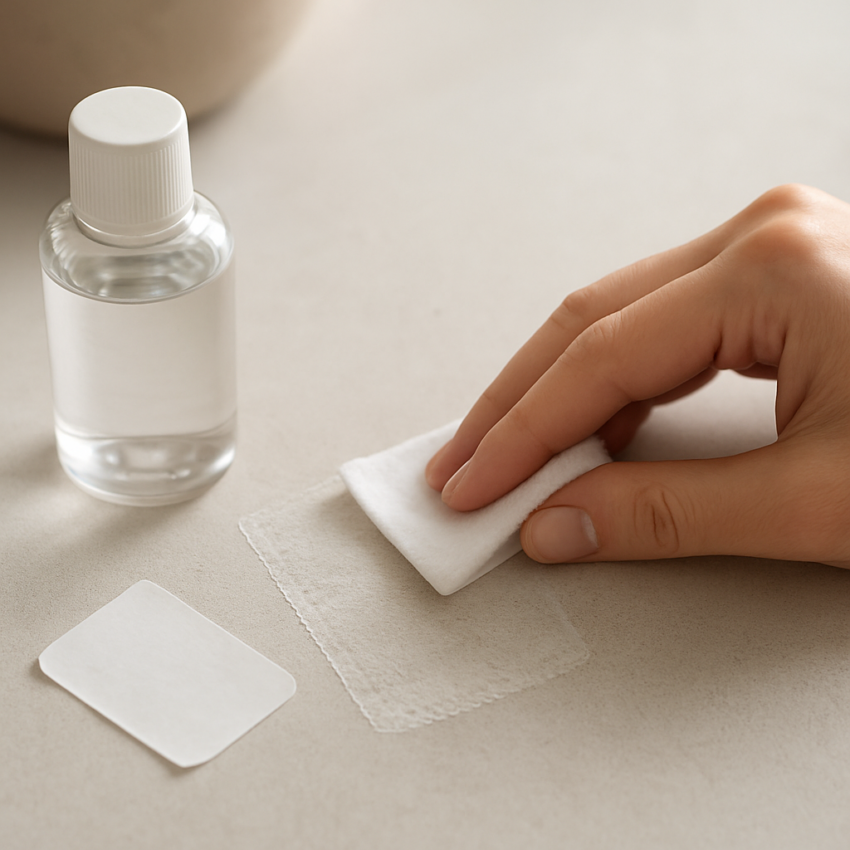
Sticker residue can be bothersome, clinging stubbornly to surfaces long after the sticker itself has been removed. Whether you’re dealing with sticky remnants on glass, plastic, wood, or metal, learning how to get sticker residue off requires a few simple steps and ingredients. This guide will help you easily clean sticker glue and restore surfaces to their original state.
How to Get Sticker Residue Off
Sticker residue often seems impossible to remove, but with the right techniques and tools, you can effectively eliminate it from almost any surface. Below, we outline several proven methods for tackling this sticky challenge. Before applying any of these methods, test in a small area first to ensure no damage to the surface.
Using Household Oils
Common cooking oils such as olive oil or coconut oil can soften the gluey texture of sticker residue. Simply apply a small amount of oil to the residue and let it sit for about 10 minutes. This will loosen the adhesive, making it easier to wipe away with a cloth or a sponge.
Baking Soda and Water
Create a paste using equal parts baking soda and water, then apply it to the affected area. Gently rub the mixture into the residue with a sponge or your fingers. The mild abrasive property of baking soda can help scrub off the sticker’s adhesive without scratching the surface. Rinse with water afterwards.
Vinegar Solution
White vinegar acts as an excellent natural cleaner. Soak a cloth in vinegar and place it over the sticky area for several minutes. The vinegar will help dissolve the sticky residue, which you can then easily rub off. This method is especially effective on surfaces like glass and plastic.
Commercial Cleaners
Various commercial products are designed specifically for removing sticker glue. These cleaners contain chemicals that break down adhesives, making them easy to wipe away. Follow the instructions on the product label for the best results.
Rubbing Alcohol or Nail Polish Remover
Both rubbing alcohol and acetone-based nail polish remover can dissolve sticky residues. Moisten a cotton ball or cloth with either solution and apply it to the sticker residue. After a few minutes, wipe it away with gentle pressure. Be cautious with delicate surfaces, as these solutions can be harsh.
Warm, Soapy Water
For stickers on items like bottles or jars, submerge the item in warm, soapy water for several minutes. The warmth will weaken the adhesive, making it easier to peel the residue away with a gentle scrub.
Discover more about cleaning tips with vintage flair to enhance your home’s charm.
Tackling Tough Surfaces
While these methods can handle most sticker adhesives, some surfaces might require extra attention due to their texture or material. Learn how to tailor your approach when dealing with specific surfaces.
Removing Sticker Residue from Wood
Wood surfaces can be porous, making them more susceptible to damage. Opt for less abrasive methods like vinegar or oil, and wipe gently. Avoid using sharp objects to scrape off residue to prevent scratching the wood.
Cleaning Glass Surfaces
Sticker residue on glass can be unsightly, but it’s usually easy to clean. Vinegar and baking soda are effective on glass, or you can use a glass cleaner for a streak-free finish. A razor blade can provide assistance for stubborn spots, but proceed cautiously to avoid scratching.
Restoring Plastic Objects
Plastic is commonly affected by sticky residue since many products with stickers are made from this material. Mineral oil, vinegar, and warm soapy water are gentle yet effective options. Avoid acetone or harsh chemicals that might damage the plastic.
Metal Surfaces
Metals can withstand a variety of cleaning agents. Rubbing alcohol and commercial adhesive removers work well in this case. Always dry the surface thoroughly after cleaning to prevent rust or tarnish.
Before attempting any removal process, understanding the material you’re dealing with ensures the safety and effectiveness of how to get sticker residue off without causing further complications.
Conclusion
Getting rid of the sticky residue from stickers need not be a daunting task. With household items like oil, vinegar, and baking soda, or with the use of commercial cleaners, you can return surfaces to their residue-free state. Keep these methods in mind for the next time you face a similar challenge, and learn more about the intricacies of adhesive residues from reliable resources such as Wikipedia. By knowing how to get sticker residue off effectively, maintaining clean, polished surfaces throughout your home becomes simple.
- Sticker residue is a common issue that can be resolved with household or commercial cleaners.
- Always test cleaning methods in a small area to prevent damage.
- Tailor removal techniques to the specific surfaces for best results.
- Ingredients like vinegar, baking soda, and oils are versatile and effective.
FAQ
What household items can remove sticker residue?
Household items like olive oil, vinegar, baking soda, and even peanut butter are popular choices for removing sticker residue.
Can vinegar really dissolve adhesive?
Yes, the acidic nature of vinegar can help break down sticker adhesives, making them easier to wipe away.
Are commercial adhesive removers safe on all surfaces?
Commercial adhesive removers are generally designed to be safe, but it’s important to read labels and test them on inconspicuous areas first.
What’s the best method for removing sticker glue from plastic?
Using gentle solutions like vinegar or mild detergent with warm water is typically safe for plastic surfaces.
How do I prevent damage when removing residues?
The key is using gentle pressure and selecting appropriate removal methods based on the surface type to avoid scratches or damage.