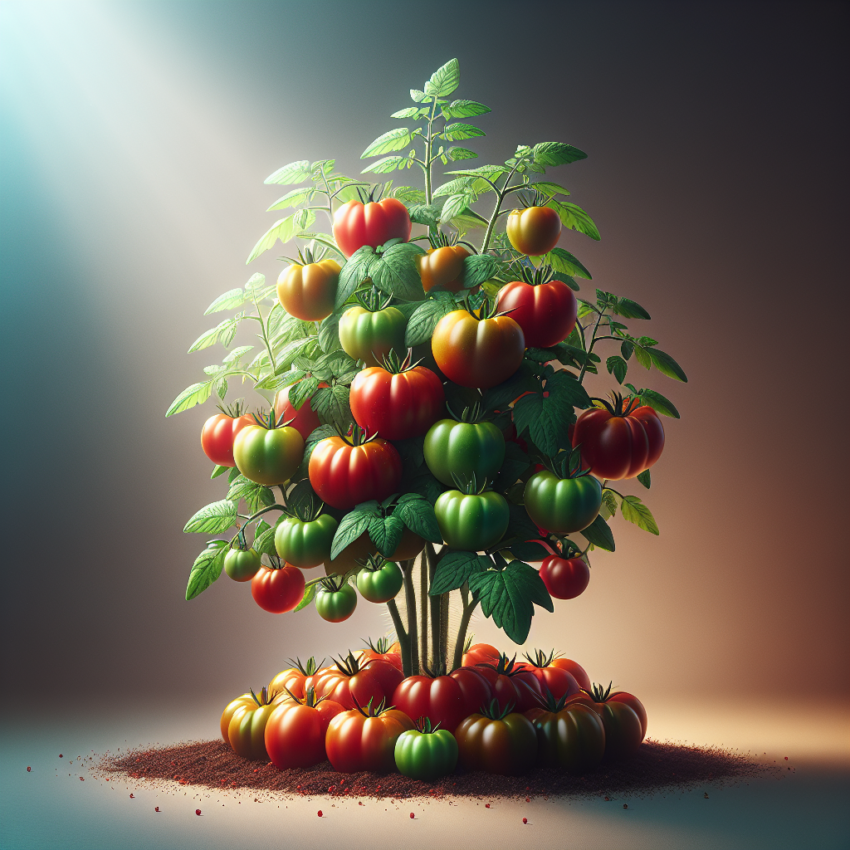
If you’re an avid gardener looking to optimize your tomato harvest, understanding the nature of indeterminate tomatoes is crucial. Unlike their determinate counterparts, indeterminate varieties continue to grow, flower, and produce fruit until the first frost. This makes them an excellent choice for gardeners seeking a prolonged and abundant harvest throughout the growing season.
The Appeal of Indeterminate Tomatoes
Indeterminate tomatoes offer a continuous harvest, providing fresh produce well into the colder months. They are known for their vigorous growth, which, if managed properly, can lead to a bountiful supply of tomatoes. However, because they can reach heights of up to 10 feet or more, they require sturdy support systems like cages or trellises to ensure healthy growth.
The benefits of planting indeterminate tomatoes include potential high yields and the extended growing season. This gives gardeners the flexibility to pick tomatoes as they ripen, leading to fresher, tastier produce. Moreover, the indeterminate nature can be particularly advantageous if staggered planting is involved, as this allows for a more constant supply rather than a single bumper crop.
How to Identify and Choose Indeterminate Tomatoes
Before planting, you must understand the specific needs and characteristics of your chosen plants. Indeterminate tomatoes can be identified by their growth habits, as they continue to grow taller and produce tomatoes throughout the season. Popular varieties include ‘Big Boy’, ‘Beefsteak’, and ‘Cherry Tomato’. When choosing seeds or seedlings, look for labels that specifically state ‘indeterminate’ to ensure the correct growth pattern.
To successfully cultivate indeterminate tomatoes, consider your climate, space, and support systems. For instance, if you’re gardening in a place with a shorter growing season, opt for varieties known to produce fruit earlier in the season.
Planting and Growing Indeterminate Tomatoes
Once you’ve selected your variety, the planting process should be carefully planned to give your tomatoes the best start. Prepare your garden bed with plenty of organic matter and ensure adequate drainage. Tomato plants thrive in well-drained, nutrient-rich soil. Plant your tomatoes deep, which encourages strong root development; this is especially important for indeterminate varieties that need sturdy roots to support their large size.
Spacing is crucial to allow for air circulation, which helps prevent diseases. Ideally, plant them 18 to 36 inches apart. As they grow, regular pruning of the lower leaves encourages a healthier plant. Consistent watering is also key, though avoid waterlogging the roots as this can lead to rot.
Maintaining Your Tomato Plants
Caring for indeterminate tomatoes involves regular maintenance. Develop a routine of watering, feeding, and pruning to ensure robust growth. Fertilize your plants every couple of weeks with a balanced fertilizer blend to support fruit production. Keep an eye out for pests and diseases, taking care to remove any affected leaves or stems promptly.
Pruning your tomato plants helps manage their size and directs energy toward fruit development. Focus on removing any suckers—these are the small shoots that form between the main stem and branches. Proper staking or caging is essential, as it keeps plants upright and the fruits off the ground, preventing rot and disease.
Harvesting Indeterminate Tomatoes
As your tomatoes ripen, it’s important to pick them regularly. This encourages the plant to produce more fruit. Harvesting should be done when the tomatoes are fully colored and firm. However, the final, often larger, batch of the season might need to be picked before full ripening, especially as temperatures drop in the fall.
To enjoy a steady supply of fresh produce, consider preserving techniques such as canning, drying, or freezing excess tomatoes. This way, you can enjoy the fruits of your labor throughout the year.
By thoughtfully managing your plants, you’ll find that growing indeterminate tomatoes can be a rewarding experience. They not only provide an impressively continuous yield but also offer the satisfaction of cultivating a thriving garden.
The Sustainability of Your Garden
Considering the environmental impact of your gardening practices is an essential aspect of sustainable agriculture. By focusing on organic fertilizers and pest control methods, and implementing efficient watering systems, you strengthen the ecological health of your garden. Sustainable gardening practices not only benefit your plants but also support local biodiversity.
As you plan your garden around indeterminate tomatoes, remember that the principles you use for these plants can often be applied to other aspects of your garden, potentially improving your overall yield and reducing waste. Learn more about sustainable gardening practices and their broader impact at reputable sources like the Wikipedia page on sustainability.
For gardeners interested in exploring other topics, consider how eye dilation plays a critical role in comprehensive vision care.
Growing indeterminate tomatoes can transform your gardening experience, providing not only a continuous supply of fresh produce but also enhancing your skills as a gardener.
- Indeterminate tomatoes grow continuously until frost.
- They require sturdy support systems.
- Regular pruning and maintenance are essential for healthy plants.
- These tomatoes offer a prolonged harvesting period.
- Sustainable practices can improve garden yield and ecology.
How do I support indeterminate tomatoes?
Use sturdy cages or trellises to keep the plants upright, ensuring good air circulation and preventing fruit rot.
What’s the best soil for growing indeterminate tomatoes?
Indeterminate tomatoes thrive in well-drained, nutrient-rich soil with plenty of organic matter.
How often should I prune my tomato plants?
Regularly prune your plants, focusing on removing suckers and any diseased foliage to promote healthy growth.
When should I pick my indeterminate tomatoes?
Pick your tomatoes when they are fully colored and firm, harvesting regularly to encourage further production.
Can indeterminate tomatoes grow in containers?
Yes, but ensure the containers are large enough to accommodate root growth and provide adequate support structures for the plants.