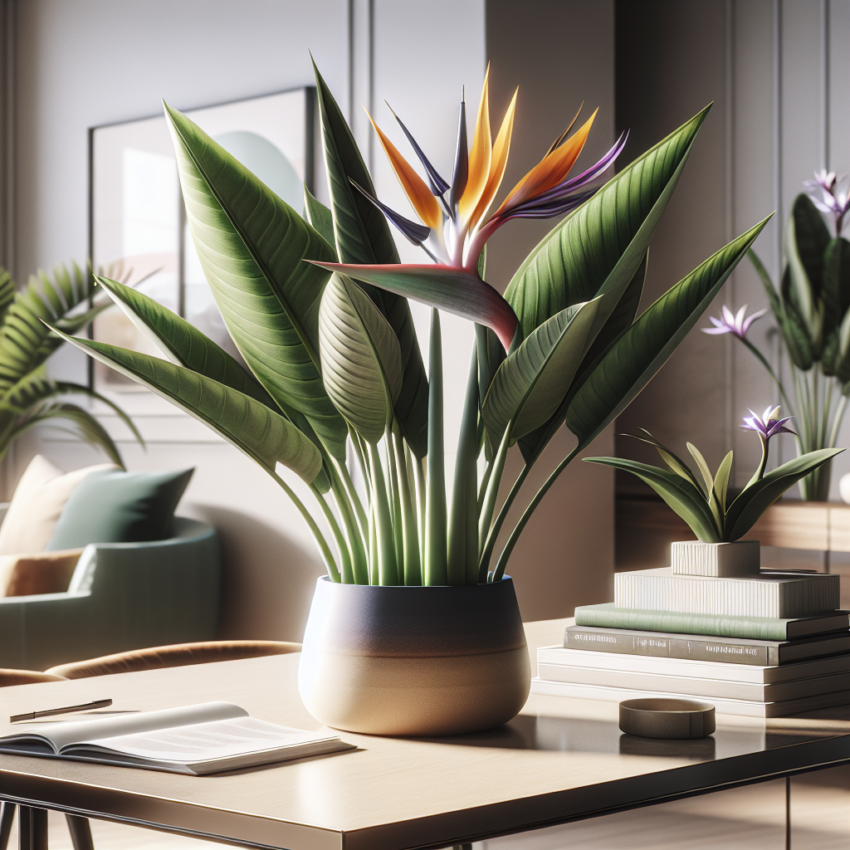
The bird of paradise plant is a stunning addition to any home garden, with its vibrant colors and striking structure. If you’re eager to maintain your bird of paradise plant’s health and beauty, employing the right bird of paradise plant care techniques is essential. In this guide, we’ll explore effective strategies for nurturing these exotic plants, ensuring they thrive in your garden or home.
Understanding Bird of Paradise Plant Care
Bird of paradise plants are native to South Africa and are known for their large, banana-like leaves and flamboyant flowers. These plants can grow up to six feet tall, making them an eye-catching centerpiece in any setting. However, their exotic nature means they require specific care to flourish.
Here are some essential aspects of bird of paradise plant care you should keep in mind:
Lighting Requirements
Birds of paradise thrive in bright, indirect sunlight. Ideally, they should receive at least five hours of light daily to promote healthy growth and flower production. If grown indoors, place your plant near a sunny window that offers an abundant but filtered light source.
Watering Schedule
Proper watering is crucial for maintaining the health of your bird of paradise. These plants prefer consistently moist soil but do not like soggy conditions. During the growing season, water when the top inch of soil feels dry. In the winter months, reduce watering frequency as the plant’s growth slows.
Soil and Fertilization
Bird of paradise plants prefer well-draining soil that retains some moisture. A potting mix with perlite or sand can help improve drainage. Fertilize your plant every two weeks during the growing season with a balanced, water-soluble fertilizer to support robust growth and flowering.
Temperature and Humidity
These tropical plants flourish in warm temperatures and high humidity levels. Keep your plant in an environment that maintains temperatures between 65-70°F (18-21°C) during the day and not below 50°F (10°C) at night. If the air in your home is dry, consider using a humidifier or misting your plant regularly to replicate its native climate.
Repotting and Pruning
Birds of paradise benefit from repotting every couple of years as they grow. When repotting, choose a container one size larger than the current one and refresh the potting soil. Pruning can help manage the size and shape of your plant. Remove dead or yellowing leaves regularly to encourage new growth and overall plant health.
Pests and Diseases
Though generally hardy, bird of paradise plants can be susceptible to pests such as spider mites, aphids, and mealybugs. Regularly inspect your plant for signs of infestation. Treat any issues promptly with insecticidal soap or neem oil. To prevent fungal diseases, ensure proper air circulation and avoid overwatering.
If you’re a pet owner, integrating plant care into household management can be seamless. Consider exploring how effective pain management for pets intertwines with creating a harmonious living space.
Common Mistakes in Bird of Paradise Plant Care
One frequent error is overwatering, which can lead to root rot. Ensure your pot has adequate drainage holes to prevent water accumulation. Additionally, inadequate light can result in poor flowering and stunted growth.
Final Thoughts on Bird of Paradise Plant Care
In summary, understanding bird of paradise plant care is key to bringing a touch of the tropics into your home. By providing the appropriate environment, light, watering, and care, your plant can thrive, rewarding you with vibrant blooms. For more detailed information on plant health and compatibility with pets, remember to consult reliable resources and consider consulting with a gardening professional if needed. For additional information on plant-related topics, visit this comprehensive guide.
- Bird of paradise plants need bright, indirect sunlight.
- Keep the soil moist, but avoid overwatering.
- Maintain warm temperatures and high humidity levels.
- Regularly inspect for pests and diseases, and address issues promptly.
- Prune and repot to encourage healthy growth.
FAQ
How often should I water my bird of paradise plant?
Water your bird of paradise when the top inch of soil is dry, usually once a week during the growing season and less often in winter.
Why aren’t my bird of paradise plants flowering?
Lack of adequate light or improper fertilization may prevent blooming. Ensure your plant receives enough sunlight and is fertilized during the growing season.
What’s the best soil for bird of paradise plants?
A well-draining potting mix with added perlite or sand is ideal for bird of paradise plants.
Can bird of paradise plants grow indoors?
Yes, provided they receive enough light and are kept in a warm, humid environment.
How can I increase humidity for my plant indoors?
Use a humidifier, place a tray of water nearby, or mist the plant regularly to increase humidity levels.