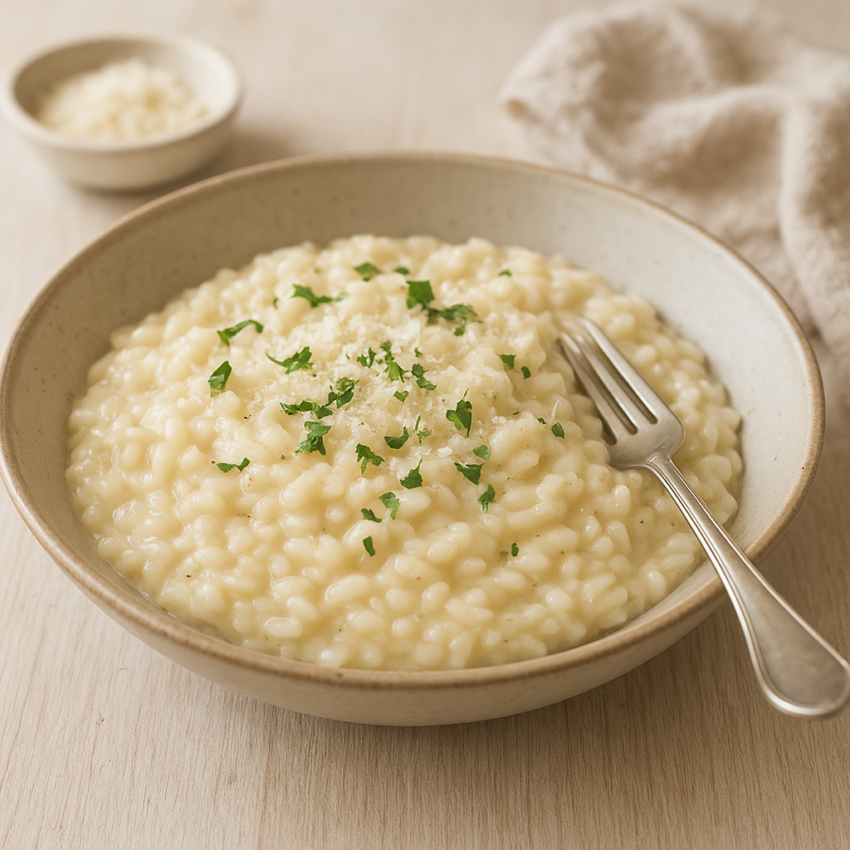
When learning how to make risotto, it’s essential to master a few key techniques. Creamy and enticing, this Italian dish is a favorite for many, thanks to its ability to adapt to various ingredients and flavors. Whether you’re a culinary novice or an experienced chef, preparing the perfect risotto can be an exciting challenge that yields delicious results.
How to Make Risotto
To begin with, understanding the basic ingredients and equipment you need is crucial. The foundation of a good risotto is quality arborio rice, which is known for its high starch content. This unique aspect of arborio rice makes it ideal for achieving that sought-after creamy texture without the use of cream.
Before you start cooking, ensure you have a heavy-bottomed pan and a wooden spoon ready. These will help maintain consistent heat and prevent sticking as you cook. Additionally, you will need a pot of simmering broth, which could be chicken, vegetable, or beef, depending on your taste and dietary preferences.
Step-by-Step Guide to Cooking Risotto
Follow these steps to create a luscious risotto:
- Prepare the Base: Heat oil or butter in your pan and sauté finely chopped onions until they are translucent. This gentle process builds the aromatic base for your risotto.
- Add the Rice: Pour in the arborio rice, stirring continuously for about two minutes until the grains become slightly translucent around the edges.
- Deglaze with Wine: Pour a cup of white wine into the pan, stirring until the liquid evaporates, which enhances the flavor profile of your dish.
- Incorporate Broth Gradually: Begin adding the simmering broth, one ladle at a time. Stir constantly until each addition has been absorbed, which typically takes about 18 minutes for the rice to reach the perfect al dente texture.
- Finish with Flavor: Once the rice is cooked, stir in grated parmesan cheese, a generous pat of butter, and any additional ingredients, such as mushrooms or peas, for a burst of flavor.
Remember, patience is key. Constant stirring and gradual liquid addition are what make risotto unique and creamy.
Common Variations of Risotto
While the basic recipe provides a delicious starting point, there are numerous variations to explore when learning how to make risotto:
- Mushroom Risotto: Incorporate a blend of fresh and dried mushrooms for an earthy, umami-rich dish.
- Saffron Risotto: Add saffron threads to the broth for a vibrant yellow color and a unique aroma.
- Seafood Risotto: Finish with shrimp, scallops, or crabmeat for a luxurious twist.
What to Serve with Risotto
Risotto is versatile and can be served as a starter, a main course, or a side dish. Pair it with a fresh salad, garlic bread, or a light vegetable dish to complement its rich flavors. For a more comprehensive meal plan, you can explore our guide on natural ways to enhance your culinary experience.
For additional insights into the intricacies of risotto and its variations, you may find extensive resources at Wikipedia’s page on Risotto.
How to Make Risotto Perfect Every Time
Mastering how to make risotto may take practice, but the reward is well worth the effort. With each attempt, you’ll gain a deeper appreciation for this classic dish’s textures and flavors.
- Use quality arborio rice for best results.
- Maintain a gentle heat for even cooking.
- Add broth gradually and stir consistently.
- Finish with parmesan and butter for creaminess.
- Experiment with different ingredients for variety.
FAQ
What type of rice is best for risotto?
Arborio rice is the best choice due to its high starch content, which contributes to the creamy texture of risotto.
Can I use broth alternatives for risotto?
Yes, you can use water or vegetable stock if you’re looking to reduce the sodium content, but broth will provide more flavor.
How can I make risotto vegetarian?
Simply use vegetable broth and incorporate vegetables like mushrooms, asparagus, or peas for added texture and flavor.
What should I do if my risotto is too thick?
You can adjust the consistency by adding a little more broth or water until you achieve the desired texture.
Why is my risotto sticky?
Risotto might become sticky if overcooked. Ensure you taste frequently to achieve the perfect al dente bite.