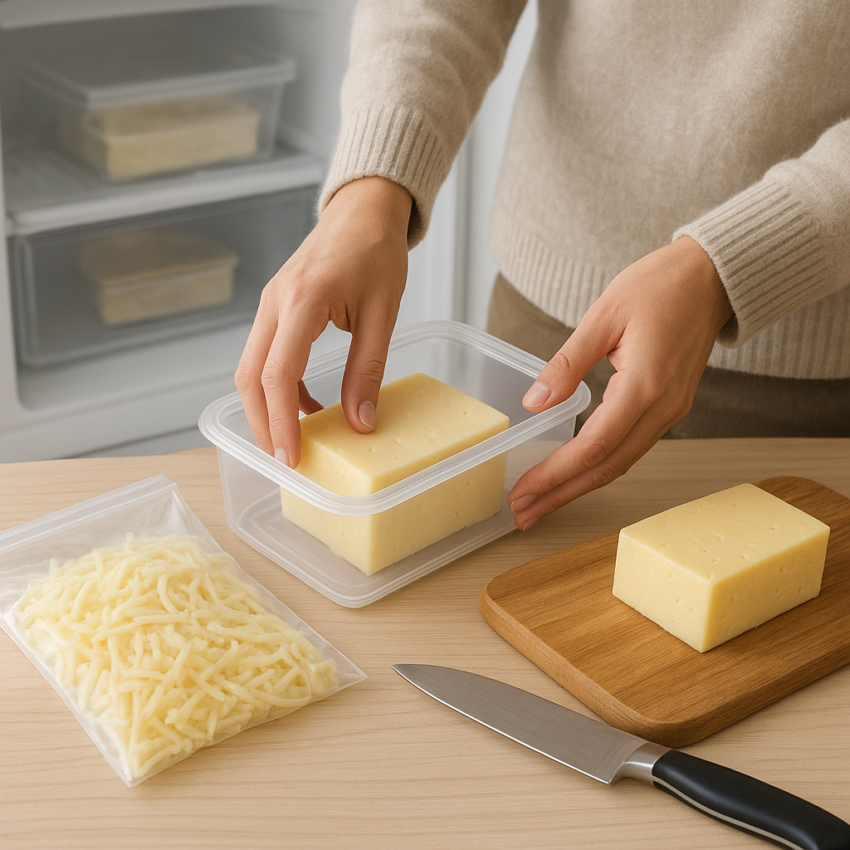
When it comes to food storage and preservation, a common question arises: can you freeze cheese? The answer isn’t straightforward, as it depends on the type of cheese and how you plan to use it. While freezing cheese can be a practical solution for extending its shelf life, there are some nuances to consider to ensure the best results.
Can You Freeze Cheese?
Certain cheeses freeze better than others, and understanding which types are freeze-friendly can help you make informed decisions for your kitchen. Generally, hard and semi-hard cheeses like cheddar, gouda, and Swiss hold up better in the freezer, while soft cheeses such as brie and ricotta may not freeze well and can experience unwanted texture changes.
For those looking to stock up, freezing can be a great option to prevent waste. However, keep in mind that the texture, flavor, and functionality of the cheese may alter slightly post-thaw. When, for example, using shredded cheese for cooking, the differences become less noticeable.
How to Properly Freeze Cheese
If you’ve decided that freezing cheese is the right option for you, ensure that it is wrapped tightly in airtight packaging to prevent freezer burn. Vacuum sealing or wrapping in plastic followed by aluminum foil are effective methods. Additionally, shredded cheese is a popular choice for freezing as it allows for easy portion control and less texture changes.
It’s advisable to freeze cheese in portions that you’ll likely use in one go, as refreezing can further degrade the quality. Labeling the packaging with the type of cheese and the date it was frozen is also a good practice for optimal organization and quality management.
Defrosting Cheese
When it’s time to use your frozen cheese, defrosting slowly in the refrigerator is key to maintaining flavor and texture. Ideally, move the cheese from the freezer to the fridge the day before you need it. For cooking purposes, such as making sauces or toppings, using cheese directly from a frozen state can work in lieu of thawing.
Commonly Frozen Cheeses
- Cheddar: Hard and semi-hard varieties freeze well.
- Mozzarella: Shredded mozzarella is perfect for freezing, especially for pizzas.
- Parmesan: Blocks and grated parmesan both hold up admirably.
Keep in mind that freezing may lead to some flavor loss over time, so using your frozen cheese within a few months is ideal.
The Effects of Freezing on Cheese Nutrition
One of the benefits of freezing cheese is that it retains its nutritional value. While there may be slight changes in taste and texture, the core nutritional components like calcium and protein remain intact. For those concerned with maintaining their nutrient intake, this is a reassuring factor.
For further insights into balancing food choices while managing health concerns, this article on natural remedies for menopause offers a comprehensive look into supporting health through diet and lifestyle changes.
What About Soft Cheeses?
Soft cheeses like brie, cream cheese, and camembert don’t freeze as well due to their higher moisture content, which results in a crumbly texture once thawed. If you choose to freeze these, be mindful that they may better serve as cooking ingredients rather than stand-alone delicacies.
Brands often do not recommend freezing cream cheese due to the textural changes, but if necessary, use thawed cream cheese in baked recipes where altered texture is not as obvious.
Optimize Your Kitchen with Freezing Techniques
So, can you freeze cheese? In summary, yes, with considerations based on the type and intended use. Freezing cheese can be a smart choice for extending the lifespan of your favorite varieties, especially when planning meals ahead of time. By following best practices for freezing and storage, you can minimize waste and enjoy your selections at their best.
Key Takeaways
- Hard and semi-hard cheeses are best for freezing.
- Proper packaging prevents freezer burn and maintains quality.
- Thaw cheese in the refrigerator for best texture.
- Use soft cheeses in cooking after freezing to accommodate texture changes.
- Freezing maintains nutritional value even if texture is affected.
FAQs
Can you freeze cream cheese?
While technically you can freeze cream cheese, expect a texture change, turning it crumbly. It is better suited for cooked dishes post-freezing.
Is it safe to freeze cheese?
Yes, as long as it’s done properly and within recommended timeframes, freezing cheese is safe and can help prevent waste.
How long can cheese be frozen?
Cheese can generally be frozen for up to six months without significant quality loss, but it’s best consumed within three months.
Does freezing cheese change its taste?
Freezing can slightly alter the taste, especially over time. Consuming it soon after defrosting ensures the best flavor experience.
Can you freeze cheese slices?
Yes, but it’s best to separate slices with wax paper or parchment to avoid sticking, allowing easy use after thawing.
For more detailed information about maintaining nutritional and lifestyle balance, check out this health guide.