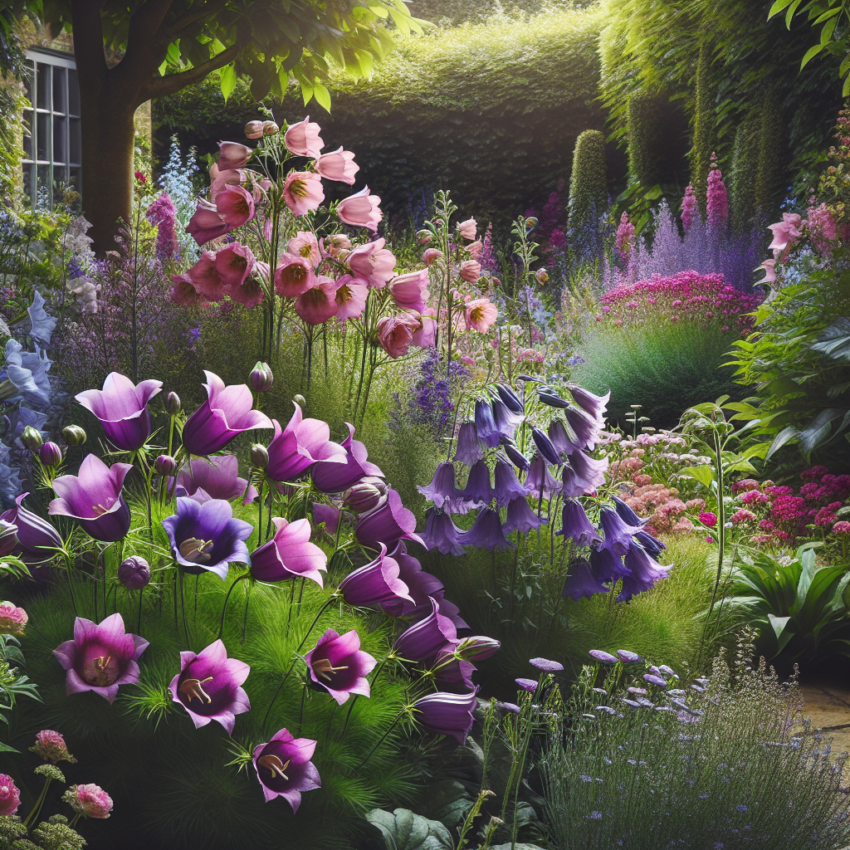
Canterbury bells, known for their elegant and colorful blooms, can truly transform your garden into a vibrant haven. These biennial plants are renowned for their bell-shaped flowers that offer a splash of color in shades of pink, blue, and white. If you’re looking to introduce a touch of cottage garden charm to your backyard, canterbury bells might be your ideal choice.
Growing Canterbury Bells: A Comprehensive Guide
Canterbury bells are relatively easy to grow with the right conditions. They thrive in well-drained soil and a sunny location, making them an excellent addition to many gardens. It’s best to plant them in the spring if you’re starting from seed. Alternatively, you can plant mature seedlings in early autumn for blooms the next year.
Maintaining the health of your canterbury bells involves regular watering, especially during dry spells, and ensuring they have adequate support as they grow. Their stems can reach up to three feet in height, needing staking in areas exposed to strong winds.
Designing with Canterbury Bells
The aesthetic appeal of canterbury bells extends beyond their individual beauty; they also complement other garden plants. Pair them with peonies, irises, or foxgloves for a striking combination. Their height and color make them fantastic for the back of a flower border or in a mixed shady border to add depth and interest.
To create a whimsical atmosphere, consider planting canterbury bells alongside winding garden paths or near rustic garden furniture. This strategic placement not only adds to the beauty of your garden but also enhances its overall ambience.
Companion Planting with Canterbury Bells
Companion planting is a gardening technique that involves growing certain plants together to enhance growth, repel pests, or encourage beneficial insects. Canterbury bells make excellent companions for numerous plants, including ornamental grasses and other biennials.
By planting canterbury bells alongside herbs such as rosemary or lavender, gardeners can create a sensory experience that delights both sight and smell. This approach not only boosts garden aesthetics but also supports biodiversity, which can be beneficial for overall plant health.
Overcoming Common Challenges
Like any garden plant, canterbury bells have their challenges. Pests such as aphids or slugs can pose a threat, so it’s important to use natural deterrents like neem oil or introduce beneficial insects like ladybugs to manage these pests. Regularly checking plants and removing affected areas can also prevent severe infestations.
To learn more about how different natural factors can influence gardening success, you might be interested in exploring astrology readings and their insights into fostering personal development and a deeper connection with nature.
Canterbury Bells for Stunning Floral Displays
Canterbury bells aren’t just for gardens; they also make delightful additions to floral arrangements. Their long-lasting blooms and unique structure add elegance and height to bouquets. When cut, they can last for up to two weeks in a vase when placed in clean water and away from direct sunlight.
For those looking to bring the beauty of nature indoors, canterbury bells offer a wonderful solution. Consider pairing them with roses, snapdragons, or lilies for a stunning centerpiece that will impress guests and bring tranquility to your home.
Ultimately, incorporating canterbury bells into your garden is a rewarding endeavor. Their majestic blooms and easy-care nature make them a favorite among novice and seasoned gardeners alike. To delve deeper into the cultural and scientific aspects of gardening, visit Wikipedia’s gardening page.
- Canterbury bells thrive in sunny, well-drained locations.
- They can be paired with various plants for aesthetic and practical benefits.
- Regular maintenance helps prevent common garden pests.
- They can enhance both garden landscapes and indoor floral arrangements.
- Companion planting with herbs like rosemary enhances garden biodiversity.
What are the ideal growing conditions for canterbury bells?
Canterbury bells prefer well-drained soil, full sunlight, and regular watering, especially during dry periods. They thrive in temperate climates and require support in windy areas due to their height.
How can canterbury bells be used in garden design?
They are perfect for creating a cottage-style garden, placed near garden paths or furniture to enhance visual interest. Additionally, their color and height make them suitable for the back of borders.
What challenges might gardeners face with canterbury bells?
Pests like aphids and slugs can be problematic. Regular monitoring, the use of natural pest deterrents, and promoting beneficial insect habitats can mitigate these issues effectively.
Can canterbury bells be used for indoor arrangements?
Yes, their unique bloom shape and extended vase life make them excellent for floral arrangements. Pairing them with other flowers can create beautiful, elegant indoor displays.
Are there specific plants that pair well with canterbury bells?
Yes, ornamental grasses, peonies, and lavender complement canterbury bells well, both aesthetically and in encouraging a thriving garden ecosystem.