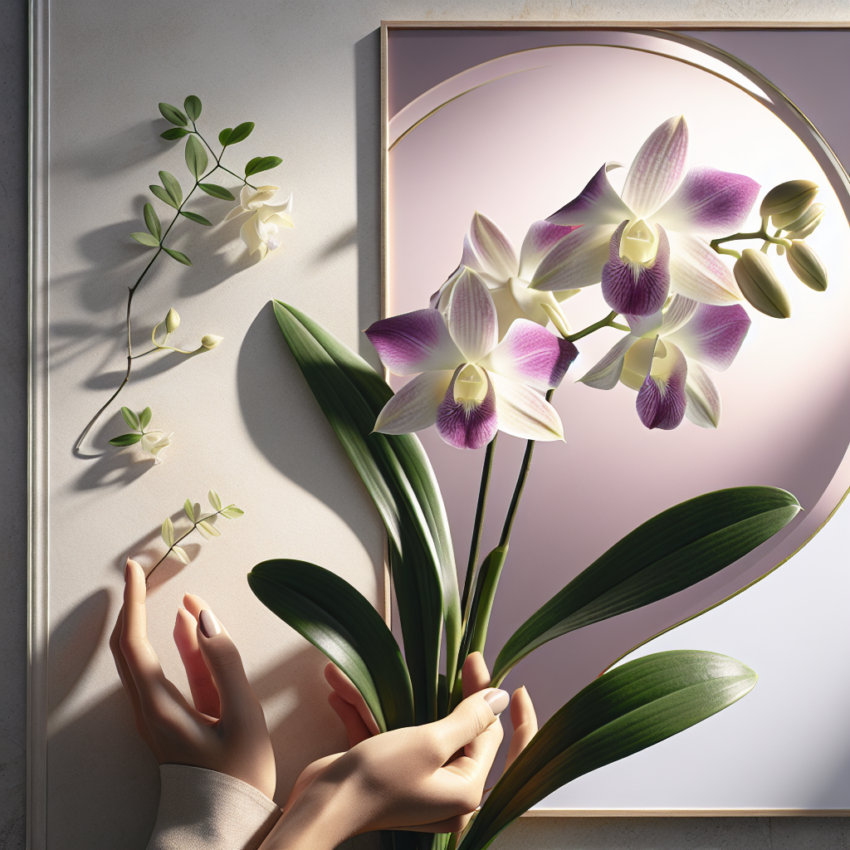
The dendrobium orchid is a stunning and adaptable plant, cherished by both novice gardeners and experienced horticulturists. Known for its vibrant colors and delicate blossoms, this orchid species requires specific care to thrive. Whether you’re just starting your journey with these elegant flowers or looking to refine your skills, understanding the needs of your dendrobium orchid is key to nurturing its beauty and health.
Essential Care Tips for Your Dendrobium Orchid
Caring for a dendrobium orchid involves specific attention to its growing conditions. These orchids are native to diverse environments ranging from tropical rainforests to the high altitudes of the Himalayas. Thus, replicating their natural conditions is crucial for their growth and bloom.
Optimal Light Conditions
Dendrobium orchids thrive in bright, indirect sunlight. Place them near a window where they can receive filtered light, avoiding direct sun exposure that might scorch their leaves. If natural light is insufficient, consider using artificial grow lights, which can be particularly beneficial during the shorter days of winter.
Watering Practices
Proper watering is vital in maintaining your orchid’s health. Allow the potting medium to dry out between waterings to prevent root rot. This might mean watering once or twice a week, depending on your local climate conditions. Keep in mind that dendrobium orchids prefer a humidity level of around 50-70% to flourish. For more detailed guidance on setting up irrigation systems to support plant life, you might find the article on Irrigation Installation Systems helpful.
Temperature Considerations
Dendrobium orchids generally thrive in temperatures ranging from 60°F to 85°F (15°C to 30°C). They enjoy a slight drop in temperature at night, mimicking their natural habitat. Ensure you provide a stable climate to prevent stress and foster bloom production.
Fertilization Routine
These orchids benefit from a balanced fertilizer applied every other week during active growth periods. A formulation that is high in phosphorus can help encourage blooming. Be sure to dilute the fertilizer to half the recommended strength to avoid burning the roots.
Repotting Requirements
Repot your dendrobium orchid every two to three years, or when the growth medium breaks down. Use a well-draining orchid bark mix to provide support and airflow to the roots. Repotting is best done after blooming to avoid disturbing the plant during its growth phase.
Dendrobium Basics and Varieties
The dendrobium genus includes over 1,500 species, each with its own unique characteristics. Popular varieties such as Dendrobium nobile and Dendrobium phalaenopsis offer a range of flower shapes and colors. This diversity makes them a favorite among collectors and garden enthusiasts.
Common Challenges and Solutions
While dendrobium orchids are relatively resilient, they do face common challenges such as pest infestations and fungal infections. Regularly inspect your orchids for signs of aphids, mites, or scales, and treat with appropriate pest control methods if detected. For fungi, maintain good air circulation around your plants and consider fungicidal treatments if necessary.
Understanding the specific needs of your orchid species can help in addressing these issues effectively, ensuring that your plant remains healthy and vibrant.
For more detailed information about the dendrobium orchid, you may refer to its comprehensive profile on Wikipedia.
The journey with a dendrobium orchid is as rewarding as it is intricate. By following these guidelines, you create an environment where your orchid can thrive, showcasing its natural beauty and elegance.
- Dendrobium orchids need bright, indirect light.
- Allow soil to dry between waterings.
- Maintain a temperature range of 60°F to 85°F.
- Repot every two to three years.
- Regularly check for pests and diseases.
FAQs About Dendrobium Orchids
How often should I water my dendrobium orchid?
Typically, dendrobium orchids should be watered once a week. However, this can vary depending on humidity and temperature conditions.
Why are my orchid’s leaves turning yellow?
Yellow leaves may indicate overwatering, insufficient light, or a response to changes in environmental conditions. Adjusting care practices accordingly can help address this issue.
Can I place my dendrobium orchid outside?
Yes, during warmer months, you can place your orchid outside in a location that receives filtered light. Ensure it is sheltered from harsh direct sunlight and extreme weather conditions.
What do I do if my orchid blooms fall off prematurely?
Premature bloom drop can result from sudden temperature changes or drafts. Ensuring a stable environment often prevents this issue.
How can I encourage my dendrobium orchid to bloom?
To encourage blooming, provide a consistent fertilization routine, stable light exposure, and the necessary temperature variations. Adequate care and patience are key.