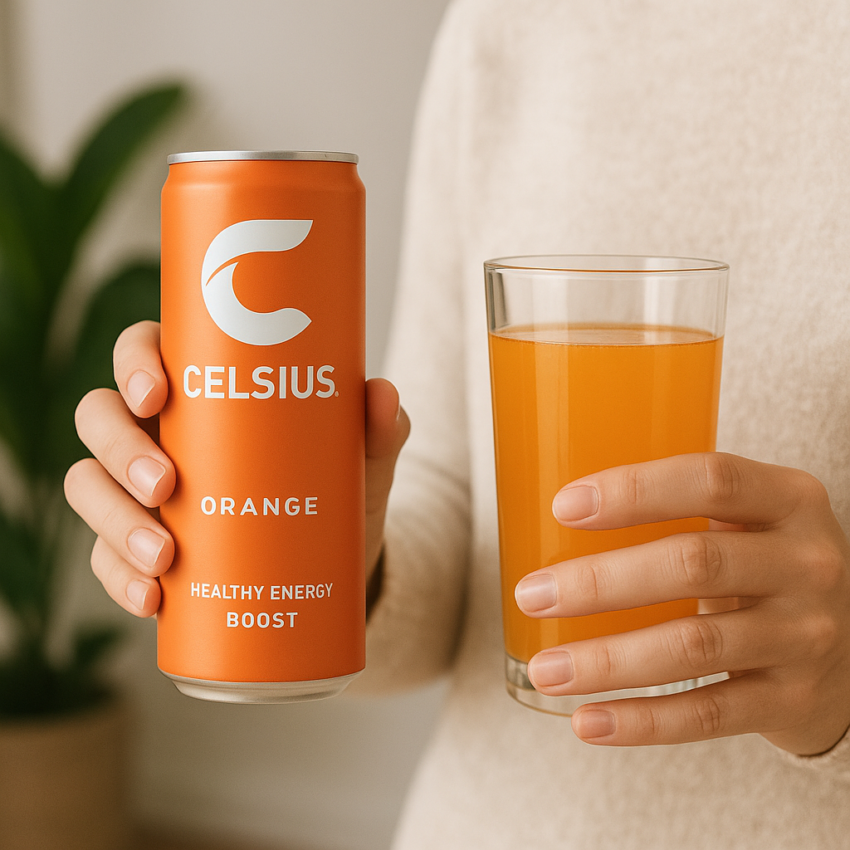
Many people are asking, “Is Celsius bad for you?” as a growing number of energy drink brands flood the market, and consumers become increasingly health-conscious. Celsius markets itself as a healthier option, claiming fewer artificial ingredients and additional health benefits. But what does the research say about the safety and effectiveness of Celsius and similar energy drinks?
What is in Celsius?
Celsius energy drinks are known for their unique formula that claims to accelerate metabolism and burn body fat. The primary components include caffeine, taurine, guarana extract, ginger extract, green tea extract, and B vitamins. Each ingredient is selected for its potential health benefits and contribution to energy enhancement. Let’s take a closer look at some of these ingredients.
Caffeine Content
Celsius contains caffeine, which is a well-known stimulant. Caffeine helps improve focus, alertness, and physical performance. However, too much caffeine may lead to adverse effects such as jitteriness, anxiety, and insomnia. The safe level of caffeine intake may vary, so it’s crucial to consider total daily consumption from all sources.
Natural Ingredients
The inclusion of natural ingredients like green tea and ginger extract sets Celsius apart as a healthier alternative among energy drinks. Green tea contains antioxidants, which support overall health and metabolic function. Ginger is often praised for its digestive and anti-inflammatory properties.
Is Celsius Bad for You?
The question “is Celsius bad for you” hinges on the balance of its benefits against potential risks. For many individuals, consuming Celsius in moderation as part of a balanced diet poses no significant concerns. However, those with sensitivity to caffeine or underlying health conditions, such as hypertension, should exercise caution.
Potential Benefits
When used appropriately, Celsius may offer benefits such as improved energy, enhanced workout performance, and slight metabolic boosts due to its caffeine and green tea content. However, these effects can differ from person to person.
Possible Concerns
There are general warnings associated with energy drink consumption. High caffeine levels can affect heart rate and blood pressure. Some individuals might experience nausea or gastrointestinal discomfort due to components like caffeine or guarana. It’s best to refer to specific health advisories and speak with a healthcare provider if you’re unsure.
It’s worth noting that whether you’re using energy drinks or exploring natural supplements like those discussed in our article on natural remedies and supplements for menopause brain fog, careful consideration and research into what you consume are essential.
Final Thoughts
In conclusion, while some may still wonder, “is Celsius bad for you,” the answer largely depends on individual health and consumption habits. For the average healthy adult, Celsius can be a convenient energy boost if used responsibly. However, care should always be taken not to exceed recommended limits.
- Celsius combines caffeine, taurine, and natural extracts like green tea.
- Potential benefits include energy enhancement and metabolic support.
- Caution is advised for those sensitive to caffeine.
- Consult healthcare professionals for personalized advice.
- Balance and moderation are key in energy drink consumption.
FAQ
What distinguishes Celsius from other energy drinks?
Celsius is marketed as a healthier energy drink with natural ingredients, such as green tea extract and ginger, which set it apart from many other brands.
Can consuming Celsius enhance workout performance?
Celsius may enhance workout performance by providing an energy boost and improved focus, primarily due to its caffeine content.
Are there any natural alternatives to caffeine for energy?
Certain natural supplements and herbs may help with fatigue, although it is important to discuss options with a healthcare professional for personalized recommendations.
What is a safe level of caffeine intake per day?
According to health guidelines, up to 400 mg of caffeine daily is considered safe for most adults, equivalent to roughly four 8-ounce cups of coffee.
Where can I find more information on health and nutrition?
For more comprehensive information, reputable sources such as Wikipedia’s health section offer extensive details on a variety of related topics.