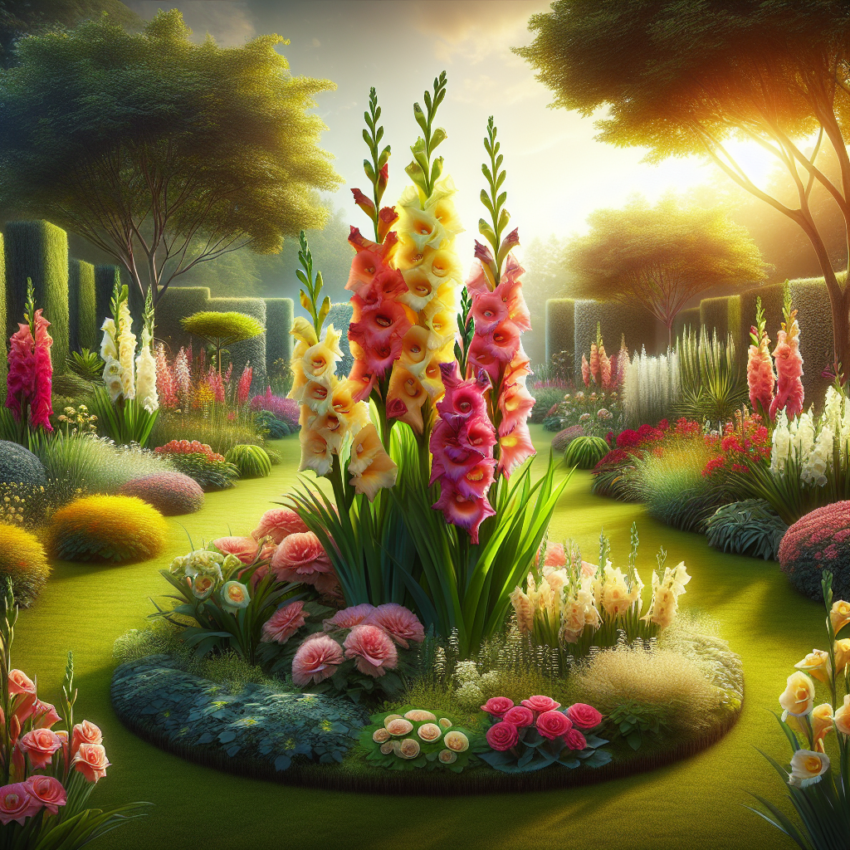
If you’re dreaming of a vibrant and colorful garden, mastering the art of growing gladiolas is essential. Known for their tall, striking spikes of blooms, gladiolas can transform any outdoor space with their beauty. These stunning flowers not only bring a burst of color to your garden but are also sought after for their versatility in floral arrangements. Whether you are a novice gardener or an experienced horticulturist, this guide will help you cultivate and enjoy the splendor of gladiolas.
Why Choose Gladiolas for Your Garden?
Gladiolas, sometimes referred to as sword lilies, are a gardener’s delight due to their impressive and colorful blooms. These flowers can reach up to five feet in height, making them excellent for adding height and drama to your flower beds. Their wide range of colors, including pinks, reds, purples, yellows, and whites, allow gardeners to create stunning visual displays.
In addition to their visual appeal, gladiolas are relatively easy to grow, making them ideal for both beginners and experienced gardeners. For those investing in long-lasting flowers for their garden, gladiolas offer a beautiful return with proper care.
Steps to Plant and Care for Gladiolas
Starting your gladiolas journey begins with selecting the right location and preparing your garden bed. Here’s a simple step-by-step process to help you succeed:
Choosing the Right Spot
Gladiolas thrive in sunny locations. Ideally, you should plant them where they will receive at least six hours of sunlight each day. Ensure the soil is well-draining, as gladiolas do not fare well in waterlogged conditions. Raised beds or gardens with organic matter mixed in can improve drainage.
Preparing the Soil
Before planting, enrich the soil with organic compost to improve fertility. A slight acidity to neutral pH works best for gladiolas, so you may want to perform a soil test. Adjust the soil pH as needed to ensure optimal growth.
Planting Gladiolas
Plant gladiola corms in the spring, approximately two weeks before the last expected frost. Space each corm about six inches apart and plant them four inches deep. To prolong flowering, plant batches every two weeks until early summer.
Watering and Fertilizing
Water your gladiolas regularly, providing deep watering once a week to encourage robust root growth. A balanced 10-10-10 fertilizer can be applied at planting and once again midway through the growing season for added nutrients.
Staking and Support
As gladiolas grow tall, they might require support, especially in windy areas. Consider staking your gladiolas to keep them upright and supported. Use plant ties loosely to avoid damaging the stems.
Protecting Gladiolas from Pests and Diseases
Like any plant, gladiolas can be susceptible to pests and diseases. Common gladiolas pests include aphids, spider mites, and thrips. Implementing integrated pest management strategies such as encouraging beneficial insects or using natural remedies can help control these pests. For disease prevention, avoid planting gladiolas in the same spot each year and ensure good air circulation.
Common Issues and Solutions
Fungal diseases and rot can affect gladiolas, particularly in damp conditions. To prevent these issues, avoid overhead watering and ensure proper drainage. If problems arise, removing affected plants can prevent spread. For more detailed solutions, consider consulting resources like Wikipedia’s Plant Pathology.
Enjoying and Preserving Gladiolas
Part of the joy of cultivating gladiolas is enjoying their blooms not only in the garden but also as part of stunning floral arrangements. Cut the flowers early in the morning or late in the afternoon when temperatures are cooler. Remove any foliage that will sit below the waterline in your vase to prolong the life of the blooms.
In colder climates, consider digging up the corms for winter storage. Clean the corms of soil, allow them to dry, then store them in a cool, dry place until spring.
To discover more ways to enhance your home with beautiful inspirations, you can explore how vintage maps are a timeless décor trend.
With consistent care and a bit of knowledge, gladiolas can become the crowning glory of your garden. These exquisite flowers not only add beauty but also a touch of elegance and pride to any gardener’s outdoor space.
- Gladiolas are best planted in sunny, well-draining locations.
- Regular watering and fertilizing ensure healthy and vibrant blooms.
- Pests and diseases can be managed with integrated strategies.
- Staking may be necessary to support tall gladiolas during growth.
- Their stunning blooms can be enjoyed in gardens and floral arrangements.
What is the best time to plant gladiolas?
It’s best to plant gladiola corms in the spring after the danger of frost has passed. You can plant in batches every two weeks to extend blooming.
How should I care for gladiolas in winter?
If you live in a colder climate, dig up the corms before the first frost. Clean them, let them dry, and store in a cool, dry location until spring planting.
Can gladiolas grow in containers?
Yes, gladiolas can be grown in containers. Ensure the container is deep enough for the corms, and remember to provide adequate support as they grow.
How do I prevent gladiolas from falling over?
Use stakes or supports to keep gladiola stems upright, especially in windy areas. Plant ties can help secure the plants without damaging them.
What are common pests that affect gladiolas?
Gladiolas can be affected by aphids, spider mites, and thrips. Encouraging beneficial insects and using natural or chemical controls as necessary can manage these pests effectively.