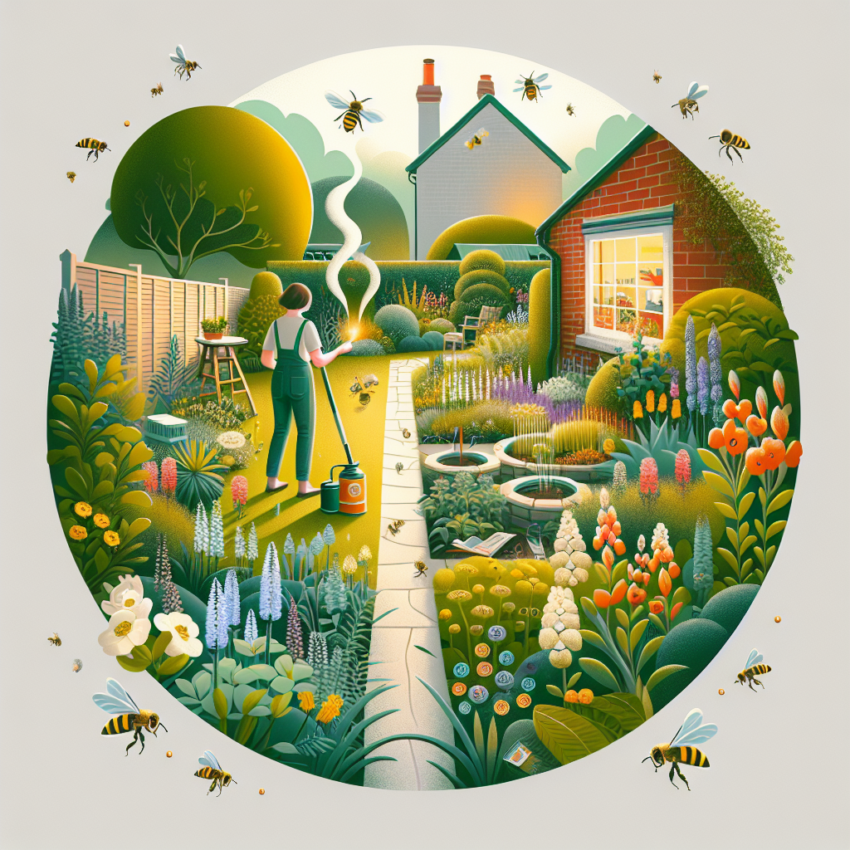
As spring approaches, gardeners often notice an influx of buzzing visitors. Ground bees, while sometimes perceived as a nuisance, play a crucial role in pollinating various plants. Understanding how to manage and coexist with these important pollinators can enhance your gardening experience while supporting the ecosystem.
Understanding Ground Bees
Ground bees are solitary bees that nest in the ground. They are different from the social colony-forming bees like honeybees. Typically, they choose dry, bare soil to dig burrows for laying eggs. Each female ground bee makes her own nest, so crowded spaces can sometimes give the impression of a colony.
The presence of ground bees is often a sign of healthy soil. They help with aeration and pollination, making them beneficial additions to your garden. While some homeowners might worry about their stings, ground bees are rarely aggressive and often sting only when provoked.
Managing Ground Bees in Your Garden
To effectively manage ground bees, it’s essential to create a garden environment that balances allowing these pollinators to thrive while maintaining comfort for yourself. Here are a few strategies to consider:
Identifying Ground Bees
Before implementing any management strategies, identify whether the insects are indeed ground bees. Look for small mounds of soil with holes in the center, which mark ground bee nests. Observing their behavior and gathering intelligence about their nesting habits and species type can guide your management approach.
Temporary Relocation
If certain areas of your garden become heavily populated with ground bees, consider temporary relocation options. Watering your lawn thoroughly as they prefer dry soil can encourage them to move to a more suitable location. Remember, they are only present for a few weeks before moving on.
Promoting Natural Coexistence
Ground bees are an integral part of the ecosystem, and encouraging natural coexistence can be beneficial to your garden. Planting a wildflower garden or leaving certain areas of the garden bare allows the bees to nest without interfering with the rest of your garden spaces.
For additional strategies on creating a harmonious garden environment, you might find valuable information in our article on natural remedies and supplements.
Avoiding Harmful Pesticides
Pesticides can harm beneficial insects, including ground bees. It’s important to avoid using these chemicals when dealing with bees. Opt instead for natural and organic gardening methods to maintain a vibrant ecosystem in your backyard.
Educating Your Family
Knowledge is power. Educate your family, especially children, about ground bees. Understanding their role in pollination and plant growth will help foster a sense of respect and caution when near these insects.
Creating a Ground Bee-Friendly Environment
An environment conducive to ground bees’ needs can enhance their pollination potential. Here are essential steps to support these industrious insects:
- Designate a specific area for ground bees where disturbance is minimal.
- Incorporate a variety of flowering plants to provide a food source.
- Leave some areas of soil dry and bare to encourage nesting.
Ground Bees: Beneficial Neighbors
While ground bees might be unnerving to some, their presence indicates a thriving garden. With careful management, you can support biodiversity and enjoy the fruits of their pollination work. Whether you’re gardening for aesthetics, producing food, or simply enjoying nature, respecting ground bees’ roles is crucial.
For more information on how to manage insects in your garden effectively, consider learning more at this external resource. By supporting and understanding these creatures, you contribute to a balanced ecosystem that benefits both your garden and the planet.
- Ground bees are solitary pollinators that nest in bare soil.
- They are beneficial for aeration and pollination.
- Water your garden to encourage relocation if necessary.
- Avoid using pesticides; instead, promote organic methods.
- Educate others about the importance of ground bees.
FAQ
What are ground bees?
Ground bees are solitary bees that nest in the ground, unlike social bees like honeybees. They are non-aggressive and play a significant role in pollination.
How can I identify ground bee nests?
Look for small mounds of soil with a hole in the center. Ground bees often have isolated nests and prefer dry, bare soil conditions.
Will ground bees sting me?
Ground bees are generally non-aggressive and will sting only if provoked. They are less of a threat compared to wasps or hornets.
Are ground bees beneficial?
Yes, ground bees are beneficial for gardens. They help pollinate plants and aerate the soil, contributing to the garden’s health and productivity.
How can I encourage ground bees to relocate?
Maintaining moisture by regularly watering the dry, bare patches can discourage nesting. They prefer dry conditions, so moist soil is less inviting for them.