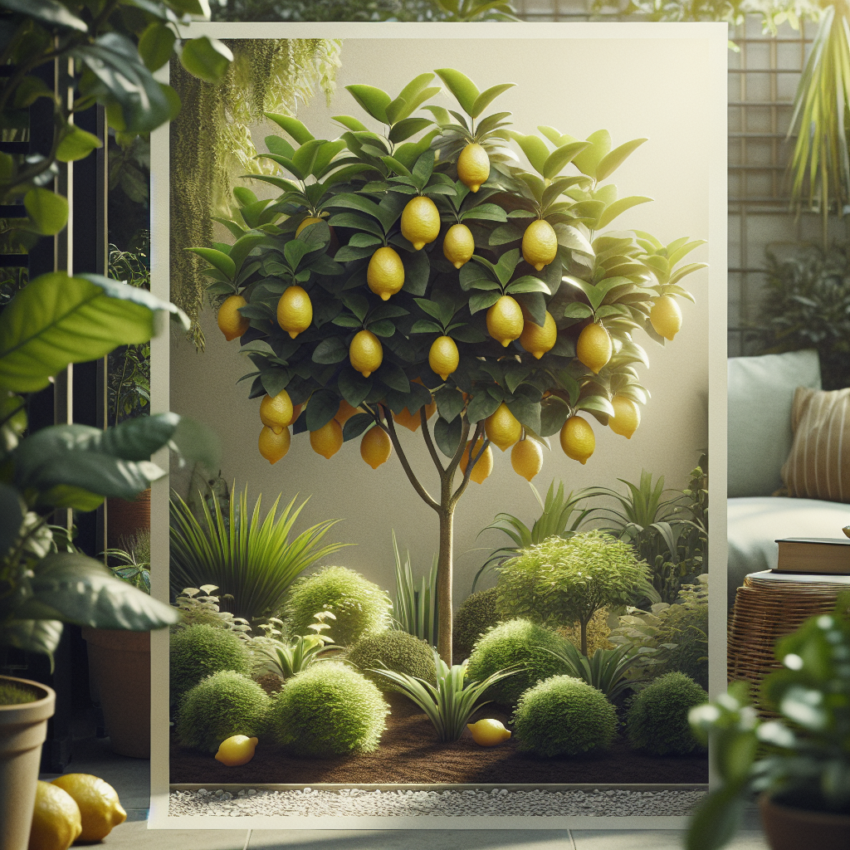
Growing a lemon tree lemon in your home garden can provide surprising benefits, not just for your lifestyle but also for the environment and your well-being. This delightful addition to your home garden not only serves as a visual treat with its lush green foliage and bright yellow fruits but also offers a multitude of practical advantages. From fresh lemons for cooking and drinks to potential health perks, a lemon tree could be a perfect inclusion in your gardening repertoire.
Why Choose a Lemon Tree Lemon for Your Home Garden?
Investing effort in cultivating a lemon tree in your garden can be highly rewarding. One of the reasons home gardeners gravitate towards lemon trees is their vibrant appearance and the delightful fragrance emitted by their blossoms. However, the perks go beyond aesthetics.
A lemon tree is also relatively easy to care for. Being well-suited for container growth, they’re ideal for gardeners with limited space. Plus, they offer a fresh supply of lemons that can be used in cooking, baking, and creating homemade cleaning solutions.
Natural Air Purifiers
Lemon trees contribute to a healthier home environment by improving air quality. Like most plants, they absorb carbon dioxide and release oxygen, but they also give off a refreshing scent that naturally deodorizes the air. This can be especially beneficial in urban settings where air quality may be compromised.
Potential Health Benefits
Lemons harvested from your home-grown tree might support your health in several ways. Rich in vitamin C, lemons can help support immune function, which is crucial during cold and flu season. Additionally, the juice from these lemons may aid digestion and promote hydration.
While lemons are known for their potential to help with various minor ailments, it is important to remember that they are not a cure-all. As with any natural remedy, it’s best to incorporate them as part of a balanced diet and lifestyle. For more insights on how natural ingredients can support health, explore our guide on natural remedies and supplements for menopause brain fog.
Reducing Stress and Enhancing Well-being
Gardening, including the care of a lemon tree, is known to have potential stress-reducing effects. The act of tending to plants can be meditative and calming, which may improve mental well-being. Watching your lemon tree flourish with beautiful blossoms and fruits can enhance mood and provide a sense of accomplishment.
Practical Tips for Growing a Lemon Tree Lemon
For beginners, growing a lemon tree might seem daunting, but with the right approach, it can become an enjoyable and rewarding hobby. Here are some tips to ensure that your lemon tree thrives:
- Selection and Positioning: Choose a variety that suits your climate and space. Place the tree in a spot that gets plenty of sunlight, as lemons need about 7-8 hours of direct sun daily.
- Potting and Soil: If you are growing the tree in a container, make sure it has good drainage. Use a high-quality citrus-specific potting mix that provides the necessary nutrients.
- Watering and Feeding: Water your lemon tree regularly, but avoid over-watering to prevent root rot. Use a balanced fertilizer designed for citrus plants to nourish your tree.
- Pruning: Regular pruning is necessary to maintain the desired shape and remove dead or overcrowded branches.
- Protection from Pests: Monitor your tree for common pests like aphids and use natural pest control solutions if necessary.
For urban gardeners, indoor lemon trees are a viable option. They can thrive indoors if they receive ample light, typically from grow lights or a sun-drenched window.
Harvesting Your Lemons
Lemons are generally ready to harvest when they are fully yellow and slightly soft to the touch. Gently twisting the fruit off the tree can improve the plant’s yield and encourage continuous growth. Homegrown lemons can be stored in a cool, dry place for several weeks.
When you’re ready to pick the fruits of your labor, you’ll not only enjoy the satisfaction of self-sufficiency but also the freshness and unique taste that homegrown produce offers. Plus, growing your own lemons can help reduce your carbon footprint by minimizing the need for store-bought goods.
For a deeper dive into the benefits of citrus fruits and related topics, consider accessing resources from reliable sources, such as this comprehensive article on lemons.
In conclusion, cultivating a lemon tree lemon in your home garden is a delightful and beneficial endeavor. Not only do you gain access to fresh, homegrown lemons, but you also contribute to a healthier environment and enjoy the calming effects of gardening. Embrace this rewarding plant and reap the many benefits it brings.
- Lemon trees enhance air quality and add a refreshing fragrance to your home.
- Homegrown lemons offer culinary benefits and may support health.
- Gardening with lemon trees can reduce stress and boost well-being.
- Lemon trees are suitable for both outdoor gardens and indoor spaces.
- Proper care involves adequate sunlight, watering, and pest management.
What are the benefits of growing a lemon tree indoors?
Growing a lemon tree indoors can purify your air, provide a steady lemon supply, and serve as a decorative element in your home. They can also offer therapeutic gardening benefits.
How do I care for a lemon tree in a pot?
To care for a potted lemon tree, ensure it has sufficient sunlight, well-draining soil, and consistent watering. Regular feeding with a citrus-specific fertilizer and pruning are also important.
Can lemon trees survive winter indoors?
Yes, lemon trees can survive indoors during winter as long as they have adequate light, warmth, and are protected from cold drafts. A grow light may be used to supplement natural sunlight.
What is the average lifespan of a lemon tree?
A lemon tree can live up to 50 years or more with proper care. Factors such as location, climate, and care practices can affect their longevity.
Are there any pests that commonly affect lemon trees?
Common pests include aphids, spider mites, and scale insects. Regular checks and the use of natural pest repellents can help protect your lemon tree from infestations.