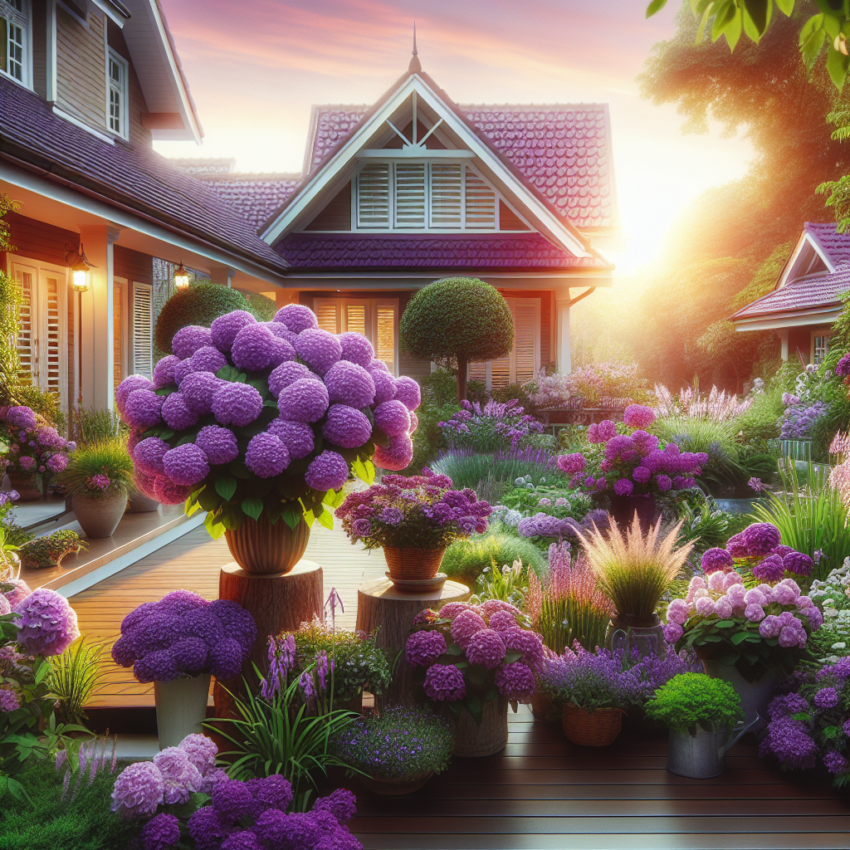
When you think of a vibrant garden, the colors that likely come to mind involve a spectrum of hues—from soft pastels to vivid brights. Among these, purple and flowers hold a special allure that captivates gardeners and nature enthusiasts alike. Whether you’re envisioning a landscape adorned with lavender’s soothing tones or the striking statement of a clematis vine, incorporating purple within your home garden can create an atmosphere of tranquility and elegance.
Benefits of Purple and Flowers in Your Garden
Adding purple flowers to your garden offers more than just visual appeal. Purple is associated with calmness and creativity. It’s a color often found in meditation spaces and among the world’s most beautiful flowers. The presence of purple, whether in lilacs or irises, can produce a calming effect in your garden, seemingly slowing the hustle and bustle of everyday life.
If you are seeking to create a garden space that nourishes the soul, consider the diverse varieties of purple flowers available. Options range from sprawling ground covers like periwinkle to majestic spires of delphiniums. Each brings a unique texture and visual interest to your garden bed or border.
Popular Purple Flower Varieties
Choosing the right purple flowers for your garden depends on your regional climate and soil type. However, there are some universally loved varieties that thrive in a range of conditions:
- Lavender: This aromatic plant is known for its calming scent and beautiful spikes of small purple blooms. It thrives in well-drained soil and a sunny position.
- Wisteria: A deciduous climber that can transform structures with its cascading blooms. Be careful, as it can be invasive without proper management.
- Petunias: Perfect for hanging baskets or as ground cover, these bright and cheerful flowers can display a magical gradient of purples.
- Clematis: Known as the “Queen of Climbers,” clematis offers vibrant large flowers that can cover walls and trellises beautifully.
Designing with Purple and Flowers
When incorporating purple flowers into your garden, it’s essential to think about how they complement other colors and plant types. A garden with only one color can risk appearing flat, but when purple is paired with white, yellow, or green, it creates stunning visual contrasts that highlight its vibrant tones.
Moreover, palette balance is vital. Consider mixing soft purples with deeper shades, such as violet or amethyst, for depth and variation. Incorporating foliage plants such as sages, which offer a neutral backdrop, can also help purple flowers stand out while adding a layered texture to the garden.
Additionally, if you’re interested in adding a touch of history to your garden spaces, consider exploring how to decorate your home with vintage maps, thus creating an intriguing blend of past and present.
Tips for Growing Healthy Purple Flowers
Caring for purple flowers involves understanding their unique needs. Here are a few tips to ensure your garden blooms with health and vibrancy:
- Sunlight and Shade: Most purple flowers thrive in sunny conditions, but some such as violets prefer shaded or partially shaded areas.
- Soil Requirements: Ensure you use well-draining soil; waterlogged conditions can lead to root rot.
- Watering: Consistent but careful watering is crucial, especially during dry spells.
- Pruning and Deadheading: Regular pruning encourages growth and prevents plants from becoming too leggy. Deadheading spent flowers also promotes new blooms.
Purple Flowers and Their Symbolic Meanings
Flowers have long been used as symbols, and purple flowers are no exception. They are often associated with royalty, luxury, and nobility. Giving purple flowers as a gift can convey admiration and respect, making them a thoughtful choice for many occasions.
Lavender, for instance, is known for its calming properties and is often linked to devotion. On the other hand, violets represent truth and loyalty. By understanding these meanings, you can create a garden that not only looks beautiful but expresses personal sentiments and stories.
Intrigued by the world of purple and flowers? Discover how they can transform both your garden’s aesthetic and its ambience. By carefully selecting and tending to the right varieties, your garden can become a sanctuary of beauty and bonhomie.
Takeaways
- Purple flowers add calmness and creativity to your garden.
- Popular varieties, such as lavender and wisteria, offer diverse textures and scents.
- Complementing purple with other colors enhances garden vibrancy.
- Tools like sunlight management and pruning aid in healthy growth.
- Understanding flower symbolism enhances personal garden design.
FAQs
What are some easy-to-grow purple flowers?
Lavender and petunias are great choices for beginners due to their resilience and minimal maintenance needs.
How do I prevent my purple flowers from becoming invasive?
Regular pruning and selecting non-invasive varieties can help manage growth and prevent spreading.
Can I grow purple flowers in a shaded garden?
Yes, many purple flowers like violets thrive in shaded environments. Always check specific light requirements for the plants you choose.
What companion plants work well with purple flowers?
Pairing purple flowers with white, yellow, or silver-leafed plants enhances their visual impact and adds dynamic contrast.
Where can I learn more about purple flowers?
For detailed botanical information, visit credible resources like Wikipedia to further explore the world of purple flora.