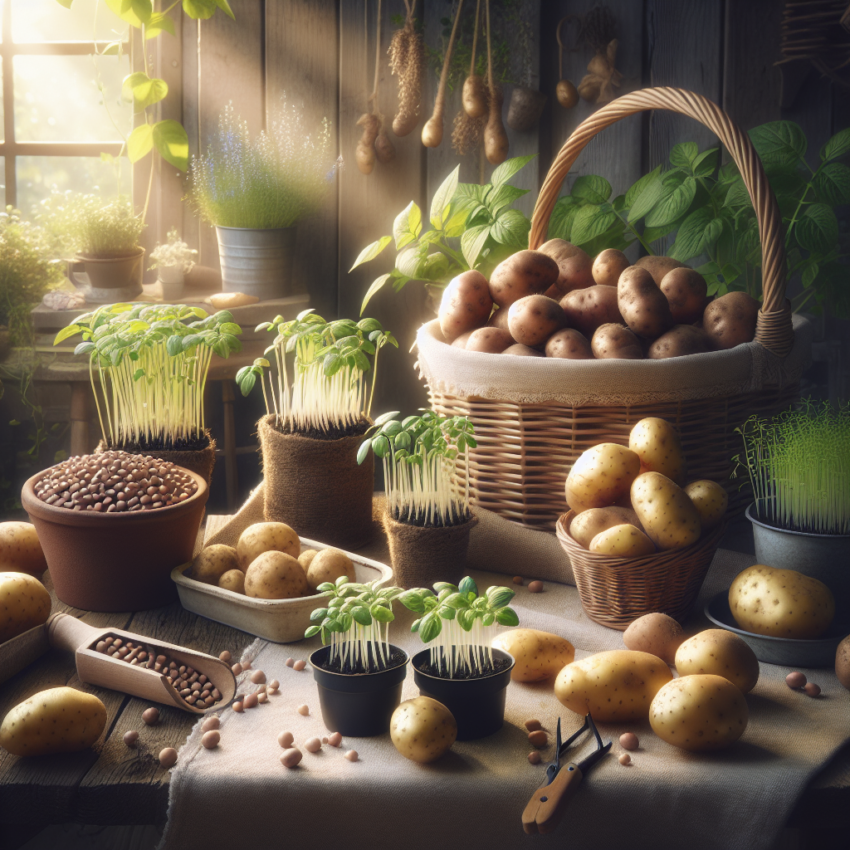
Growing your own seed potatoes can be a fulfilling and rewarding endeavor, offering you fresh, homegrown potatoes with just a bit of effort. Whether you’re a seasoned gardener or a first-timer, understanding how to properly plant and nurture seed potatoes can significantly affect your harvest’s success. This guide will walk you through each step of the process, ensuring you have a bountiful potato crop to enjoy.
Why Use Seed Potatoes?
Seed potatoes are specifically grown to be disease-free and produce high yields. Unlike using grocery store potatoes, which might carry diseases or be treated to prevent sprouting, seed potatoes ensure you achieve consistent and healthy growth in your garden. Additionally, seed potatoes come in many varieties, allowing you to diversify and experiment with different tastes and textures.
Preparing Your Soil
Potatoes thrive in loose, well-drained soil with a pH between 5.0 and 6.5. It’s crucial to prepare your garden bed by turning the soil and incorporating organic matter like compost. This enhances soil fertility and drainage, key factors for healthy potato growth. Proper soil preparation can significantly impact the formation of tubers.
Choosing the Best Seed Potatoes
When selecting seed potatoes, opt for certified versions, as they are more likely to be free from diseases. Choose varieties suited to your climate and taste preferences. Ensure the seed of potatoes is firm, with visible eyes or buds. This will promote healthy sprouting and growth.
Planting Your Potato Seed
Begin planting your potato seed once the soil temperature reaches about 45°F (7°C), usually in early spring. Cut larger seed potatoes into sections, making sure each piece has at least one eye. Plant them about 3-4 inches deep and 12 inches apart, with the eyes facing upward. This space allows for adequate growth and air circulation around the plants.
Caring for Your Potato Plants
Proper care after planting is crucial to ensure a good harvest. Water consistently, especially during dry spells, but avoid waterlogging your plants. Hilling the soil around the bases of the plants as they grow helps support the stems and encourages tuber formation by keeping them covered and protected from sunlight.
Harvesting Your Potatoes
Your potatoes are ready to be harvested when the foliage starts to die back. This typically occurs about 70 to 120 days after planting, depending on the variety. Carefully lift the plants with a fork or spade, ensuring you don’t damage the tubers. Allow the potatoes to dry in a shaded, airy spot before storing them.
Integrating Efficient Irrigation
Installing an efficient irrigation system ensures your potato plants get the consistent moisture they need. Check out our guide on irrigation systems for tips on optimizing water use in your garden.
Preventing Pests and Diseases
To keep your potato plants healthy, monitor them for common pests such as potato beetles and aphids. Use organic pest control methods to manage infestations. Rotating crops and avoiding planting in the same spot each year can also help prevent diseases in your potato seed plants.
Storing Seed Potatoes
Once you’ve harvested, store your crop in a cool, dark, and well-ventilated area. Ensure they are completely dry to prevent rot. This storage method helps preserve your seed potatoes for next season’s planting.
Growing your own seed potatoes offers numerous benefits, from better taste and texture to ensuring a truly organic garden experience. By following these guidelines, you can look forward to a plentiful and delicious harvest.
- Use certified seed potatoes for best results.
- Prepare and maintain loose, fertile soil.
- Plant in early spring for optimal growth.
- Implement consistent watering and hilling practices.
- Monitor for pests and store your harvest properly.
What are seed potatoes?
Seed potatoes are specially grown tubers used for planting that are free from diseases and produce healthy plants.
Can I use grocery store potatoes to plant?
It’s best to avoid grocery store potatoes for planting as they might be treated or carry diseases, unlike certified seed potatoes.
How deep should I plant seed potatoes?
Plant seed potatoes about 3-4 inches deep in well-prepared soil.
How do I store harvested potatoes?
Store harvested potatoes in a cool, dark, and well-ventilated space to prevent spoilage.
What’s a good resource for potato growing tips?
For more information on growing potatoes and other crops, visit Wikipedia’s potato page.