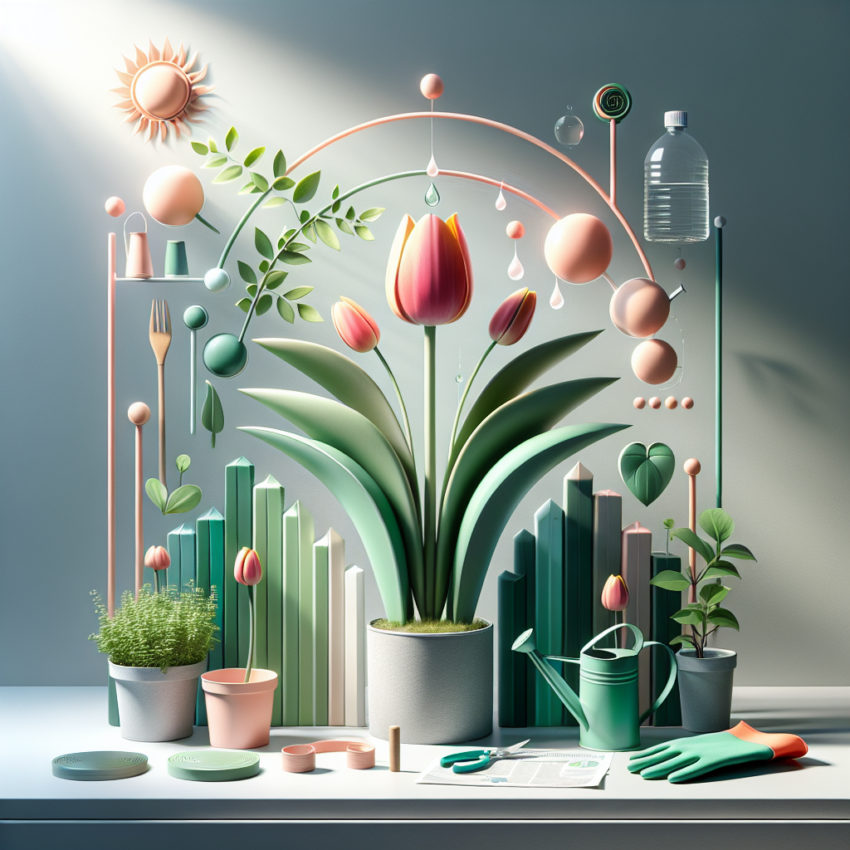
Whether you’re a gardening enthusiast or a beginner, understanding the intricacies of cultivating a tulip plant can provide great joy and satisfaction. As one of the most adored spring-blooming flowers, tulips offer vivid colors and simple elegance that can transform your garden landscape.
How to Plant and Care for Your Tulip Plant
Planting tulips starts with selecting the right bulbs. Ensure that the bulbs are plump and firm. The best time to plant tulip bulbs is in the fall, six to eight weeks before the ground freezes. This allows roots to establish before winter dormancy.
Choose a sunny spot in your garden with well-drained soil. Tulips thrive in sunlight and need good drainage to prevent rot. When planting, dig holes about 6 inches deep, and place the bulbs pointy side up. Space them about 4 to 6 inches apart.
Essential Tulip Plant Care Tips
The care requirements for tulips are minimal, but they are crucial for a flourishing display. Water the bulbs after planting to settle the soil, and then withhold additional watering until spring, when growth begins. This mimics their natural growth cycle.
Once tulips emerge in the spring, water them regularly, especially in dry conditions. Fertilizing is also essential. Apply a balanced fertilizer as soon as the tulips begin to sprout and again after they have bloomed.
Common Issues and Solutions
While tulips are relatively easy to maintain, they are not immune to pests and diseases. Common problems include fungal diseases like Botrytis blight and pests such as aphids and slugs.
To combat these issues, ensure your garden has good air circulation and remove any diseased foliage promptly. For pests, you may consider horticultural oils or introduce beneficial insects like ladybugs. Learn more about integrated pest management by visiting this Wikipedia page.
Deer and rodents are also fond of tulip bulbs. To protect your investment, consider using fencing or planting deterrent plants like daffodils around them.
Creating a Stunning Tulip Display
When planning your tulip garden, consider planting in groups of 10 or more to create visual impact. Mixing different varieties will extend the blooming period, as different species flower at various times. Experiment with colors and heights to add dimension to your landscape.
Companion planting with other spring flowers can also enhance the aesthetic appeal. Tulips pair well with pansies, gypsophila, and forget-me-nots. For more information on optimizing your garden’s water supply, check out this guide to irrigation installation systems.
Final Words on Growing Your Tulip Plant
Caring for a tulip plant is an enriching hobby that yields rewarding results. By following these tips on planting, nurturing, and troubleshooting, you can enjoy vibrant blooms year after year. With proper care, your tulip plant will thrive, bringing beauty to your garden and joy to your heart.
- Select firm and plump tulip bulbs for planting.
- Plant in well-drained soil in a sunny location.
- Water thoroughly after planting and again in spring.
- Protect against pests with natural deterrents.
- Mix varieties to extend blooming and visual appeal.
How do I know when to plant tulips?
The ideal planting time for tulips is in the fall, about 6 to 8 weeks before the first expected hard frost. This timing allows the bulbs to establish roots before the ground freezes.
What type of soil is best for tulips?
Tulips prefer well-drained soil that is rich in organic matter. Heavy or clay soils can lead to rotting bulbs, so amend them with compost to improve drainage.
Can tulip bulbs be left in the ground year-round?
In areas with mild winters, tulip bulbs can often remain in the ground. In regions with severe winters, it’s best to dig up the bulbs and store them in a cool, dry place until replanting in the fall.
How can I prevent deer from eating my tulips?
To deter deer, consider using physical barriers like fencing or plant tulip deterrents such as daffodils nearby. Some gardeners also use repellents to discourage browsing.
When should I fertilize my tulips?
Fertilize your tulips as soon as they sprout in the spring and again after they flower. Use a balanced fertilizer to support healthy growth and blooming.